
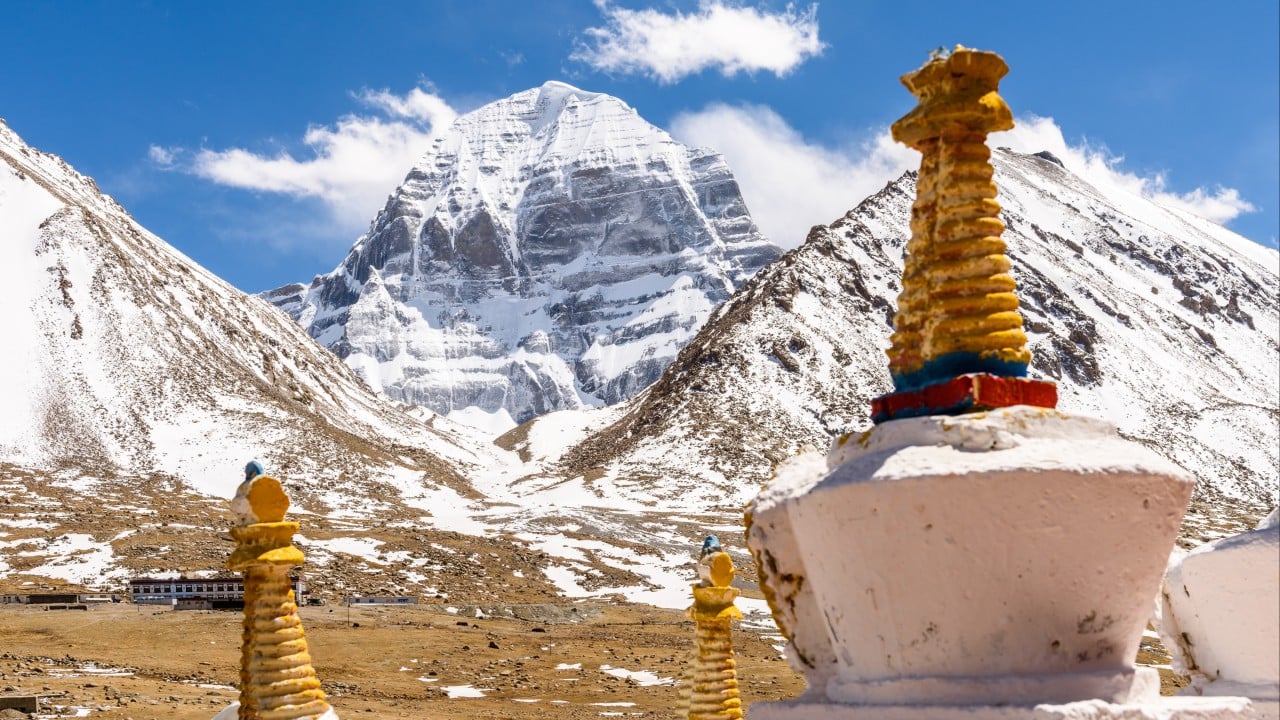
China and India Reopen Lipulekh Pass, Signaling Thaw in Relations
Topic: geopoliticsRegion: AsiaUpdated: i3 outletsSources: 4Spectrum: Mostly LeftFiltered: Middle East (1/4)· Clear⏱ 4 min read
Story Summary
SITUATION
China and India resumed cross-border trade through the Lipulekh Pass, which had been closed for six years due to border tensions. Analysts view this reopening as a goodwill gesture, though they caution that underlying disputes will continue to affect bilateral relations.
Coveragetap to expand ▾Spectrum: Mostly Left🌍Asia: 3 · ME: 1
Political Spectrum
Position is inferred from coverage mix.
i3 outlets · Center
Left
Center
Right
Left: 3
Center: 1
Right: 0
Geography Coverage
Distribution of where coverage is coming from.
i3 unique outlets · Dominant: Asia
KEY FACTS
- India will send a minister and state governor to Ali Khamenei funeral
- Governor of Bihar, Syed Ata Hasnain, and deputy foreign minister Pabitra Margherita will visit Iran on 3 July, the Indian foreign ministry said in a statement.
- India will send its deputy foreign minister and a state governor to represent the country at the state funeral of Iran's former Supreme Leader Ayatollah Ali Khamenei.
HISTORICAL CONTEXT
The reopening of the Lipulekh Pass between China and India comes against the backdrop of a complex and often contentious relationship marked by territorial disputes and military standoffs.
The pass had been closed for six years due to heightened tensions following the 2020 Galwan Valley clash, where Indian and Chinese troops engaged in a violent confrontation, resulting in casualties on both sides. This incident was a significant escalation in the long-standing border disputes that have characterized Sino-Indian relations since the 1962 Sino-Indian War.
Brief
The reopening of the Lipulekh Pass marks a significant development in China-India relations, as both countries have resumed cross-border trade after a six-year closure due to ongoing border tensions.
This Himalayan pass, crucial for traders and pilgrims, has been a focal point of contention between the two nations, but its reopening is seen as a goodwill gesture from China amid a cautious thaw in relations.
Analysts, including Wang Dehua from the Shanghai Municipal Centre for International Studies, emphasize that while this step is positive, it does not signify a complete strategic reset, as the underlying disputes remain unresolved.
The seasonal window for trade through the pass extends until September, with more journeys anticipated, indicating a potential increase in economic interactions. However, experts caution that the historical context of rivalry and territorial disputes will continue to influence the dynamics between China and India.
The reopening reflects a desire for improved ties, but the complexities of their relationship suggest that significant challenges lie ahead. As both nations navigate this thaw, many governments will be watching closely to see how these developments unfold in the coming months.
Sources
1 of 4 linked articles · Filter: Middle East