
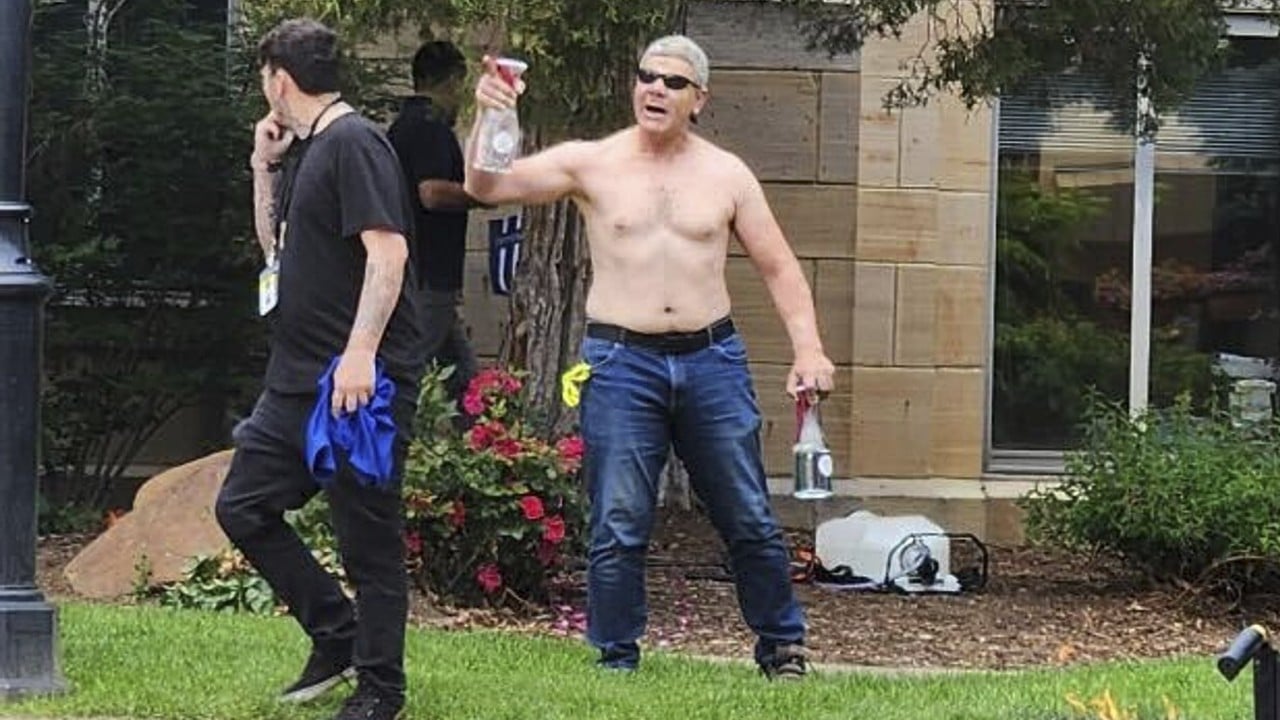
Egyptian National Sentenced to Life for Firebombing Colorado Rally
Coveragetap to expand ▾Spectrum: Mostly Left🌍Asia: 2 · ME: 1
- Mohamed Soliman, 46, was sentenced to life in prison for firebombing a pro-Israel rally in Colorado (per scmp.com).
- He still faces separate hate-crimes charges in federal court that could also result in a life sentence (per scmp.com).
Mohamed Soliman, a 46-year-old Egyptian national, has been sentenced to life in prison for his role in a violent attack on a pro-Israel rally in Colorado. The incident, which involved the use of petrol bombs, resulted in several attendees being set on fire, including a woman who succumbed to her injuries.
Soliman, who pleaded guilty to 101 charges including first-degree murder, expressed remorse during his sentencing, lamenting the absence of capital punishment in Colorado and apologizing for his actions, which he described as contrary to the teachings of Islam.
The attack took place last year and has been a significant point of contention, highlighting the tensions surrounding pro-Israel events in the United States. Soliman's actions have been widely condemned, and his sentencing marks a critical moment in addressing hate crimes linked to international conflicts.
In court, Soliman was dressed in white-and-orange-striped jail garb, his hands shackled as he sat beside his lawyer. His statement in court reflected a deep regret for the violence he perpetrated, and he acknowledged the pain caused to the victims and their families. Despite the life sentence, Soliman's legal troubles are not over.
He faces additional hate-crimes charges in federal court, which could also lead to a life sentence. These charges underscore the severity with which the U.S. legal system is treating acts of violence motivated by hate.
The case has drawn attention to the broader implications of international conflicts spilling over into domestic settings, particularly in multicultural societies like the United States. It raises questions about how such incidents are prosecuted and the measures in place to prevent them.
Soliman's sentencing is a reminder of the ongoing challenges in addressing hate crimes and the importance of legal frameworks that can effectively deter such acts. As the federal case proceeds, it will be closely watched for its potential to set precedents in how hate crimes are handled in the context of international tensions.
- Victims of the firebombing, including the woman who died, bear the direct costs of Soliman's actions, highlighting the severe impact of hate crimes on individuals and communities.
- The U.S. legal system benefits from demonstrating its commitment to prosecuting hate crimes, potentially deterring future acts of violence motivated by international conflicts.
- The case underscores the need for effective legal frameworks to address and prevent hate crimes, particularly those linked to international tensions.
- Whether Mohamed Soliman faces additional sentencing in federal court for hate-crimes charges.
- The outcome of the federal hate-crimes case, which could result in another life sentence for Soliman.
- Any legislative or policy changes in Colorado regarding hate crimes and capital punishment.
Left- and right-leaning outlets are covering this story differently — in which facts to emphasize, which context to include, and how to frame causes and consequences.
1 specific area where coverage diverges — see below.
- No source mentions the broader context of international tensions influencing domestic hate crimes.
- The impact on the local community and potential preventive measures were not discussed.