
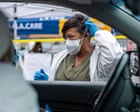
The world is more at risk of a pandemic now than before COVID, experts say.
Coveragetap to expand ▾Spectrum: Center Only🌍Other: 4 · ME: 1 · Asia: 1
- The world is more at risk of a pandemic now than before COVID, experts say. This is why - Scientific American
- The world is more at risk of a pandemic now than before COVID, experts say.
Experts are sounding alarms over the state of public health in the United States, citing slashed funding and rampant misinformation as critical threats. According to recent assessments, the ongoing hantavirus outbreak, while not expected to escalate into a major pandemic, is exposing significant weaknesses in the nation's public health infrastructure.
Experts argue that the US is ill-prepared for future health crises, a situation exacerbated by the lessons not learned from the COVID-19 pandemic. Funding cuts have severely impacted testing capabilities and overall readiness, leaving health officials concerned about the implications for future outbreaks.
Misinformation surrounding health issues further complicates the landscape, undermining public trust and compliance with health guidelines. The combination of these factors poses a serious risk to the health and safety of the American population, highlighting the urgent need for renewed investment and public education in health initiatives.
- The American public faces increased health risks due to inadequate pandemic preparedness and misinformation, which can lead to higher infection rates and mortality (per updat3_article).
- Slashed funding for public health initiatives directly affects testing capabilities, potentially resulting in uncontained outbreaks and greater healthcare costs (per key_facts).
- Misinformation can lead to public distrust in health authorities, complicating efforts to manage health crises effectively (per updat3_article).
- Whether the US government increases funding for public health initiatives in response to expert warnings.
- Any new public health campaigns aimed at combating misinformation about health issues.
- The outcomes of ongoing assessments of public health infrastructure following the hantavirus outbreak.
Left- and right-leaning outlets are covering this story differently — in which facts to emphasize, which context to include, and how to frame causes and consequences.
1 specific area where coverage diverges — see below.
- {"framing":[],"numbers":[],"causality":[],"attribution":[],"omitted_context":[],"disputed_or_unclear":[],"notable_quotes_or_claims":[]}