
Iran Conservationists Repair Heritage Sites Amid War Fears
Coveragetap to expand ▾Spectrum: Center Only🌍ME: 1
- Conservationists are working to stabilize damaged structures at historic sites in Iran (per dawn.com).
- The complex remains closed to the public while repairs are underway (per dawn.com).
- Some repairs to the heritage sites could take years to complete (per dawn.com).
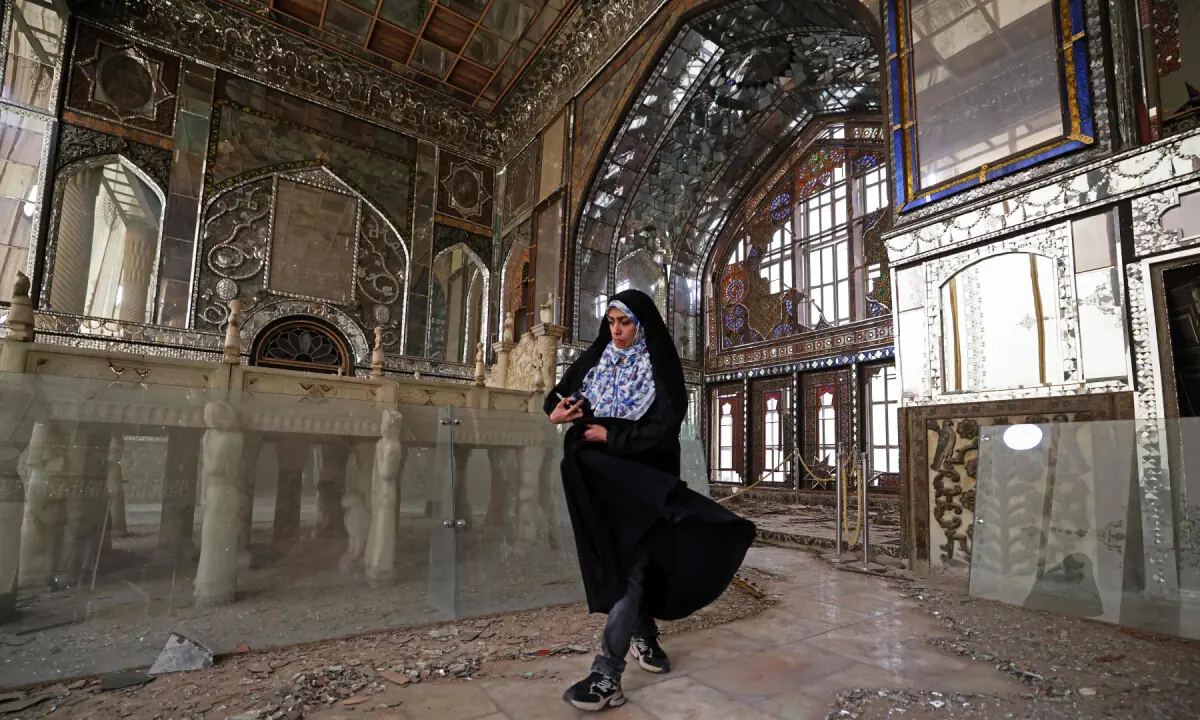
As fears of renewed conflict hang over Iran, conservationists are urgently working to shore up the country's damaged heritage sites. The Golestan Palace, a defining cultural landmark in central Tehran, has suffered extensive damage from military strikes that began on February 28, 2026.
Conservationists report that broken doors, shattered mirrors, and debris from ornate ceilings now litter the site, reflecting the toll of the ongoing war with the United States and Israel. The fragile truce established on April 8 has allowed experts to begin assessing the scale of the damage, although the complex remains closed to the public.
Jabbar Avaj, director of the Golestan Palace museums, noted that 50 to 60 percent of the doors and windows are broken, highlighting the urgent need for stabilization efforts. While teams are focused on preventing further collapse, experts warn that some repairs could take years to complete.
The damage assessment is being conducted at several levels, with plans for a more detailed evaluation to follow. This situation underscores the precarious balance between preserving cultural heritage and the ongoing threats posed by military conflict.
- Iranian conservationists are facing the concrete costs of war as they work to stabilize damaged heritage sites, impacting cultural preservation efforts.
- The Golestan Palace, a key cultural landmark, has suffered significant damage, with 50 to 60 percent of its doors and windows broken, affecting its historical integrity.
- The ongoing military conflict with the United States and Israel poses a direct threat to Iran's cultural heritage, with repairs potentially taking years and risking further deterioration.
- The fragile truce that began on April 8 allows for some assessment and repair work, but the continued threat of conflict hampers comprehensive restoration efforts.
- Whether conservation teams at Golestan Palace can stabilize the site before further damage occurs.
- The outcome of the detailed evaluation of damage planned by conservation experts in the coming weeks.
- Any announcements regarding the reopening of Golestan Palace to the public once repairs are underway.
- {"framing":[],"numbers":[],"causality":[],"attribution":[],"omitted_context":[],"disputed_or_unclear":[],"notable_quotes_or_claims":[]}