
Israel and Lebanon to Begin Third Round of Talks Amid Tensions
Topic: geopoliticsRegion: Middle EastUpdated: i4 outletsSources: 20⚠ Bias gap — sources divergeSpectrum: Mostly CenterFiltered: Middle East (6/17)· Clear⏱ 4 min read📡 Wire pickup⚠ 3d+ old
Story Summary
SITUATION
Third round of Israel-Lebanon talks to take place with military officials, sources tell 'Post' Third round of Israel-Lebanon talks to take place with military officials, sources tell 'Post' The Lebanese delegation will be led by Lebanon’s former ambassador to the United States, Simon Karam; the current Lebanese ambassador to the US, Nada Hamadeh Mouawad; and Lebanon’s military attaché in Washington. The Israeli delegation will be led by Israel’s Ambassador to the United States, Yechiel Leiter, and will also include
Coveragetap to expand ▾Spectrum: Mostly Center🌍Other: 9 · ME: 6 · US: 1 · Asia: 1
Political Spectrum
Position is inferred from coverage mix.
i4 outlets · Center
Left
Center
Right
Left: 2
Center: 14
Right: 1
Geography Coverage
Distribution of where coverage is coming from.
i4 unique outlets · Dominant: Global
KEY FACTS
- The talks are scheduled to begin on Thursday at 4:00 p.m. (per JPost).
- The Israeli delegation will be led by Israel’s Ambassador to the United States, Yechiel Leiter (per JPost).
- The Lebanese delegation will be led by Lebanon’s former ambassador to the United States, Simon Karam (per JPost).
- Hezbollah lawmaker Ali Ammar has condemned the talks, stating they represent 'free concessions' to Israel (per Middle East Eye).
- Ongoing military actions have strained relations, with reports of Israeli attacks against Lebanon despite ceasefire arrangements (per Middle East Eye).
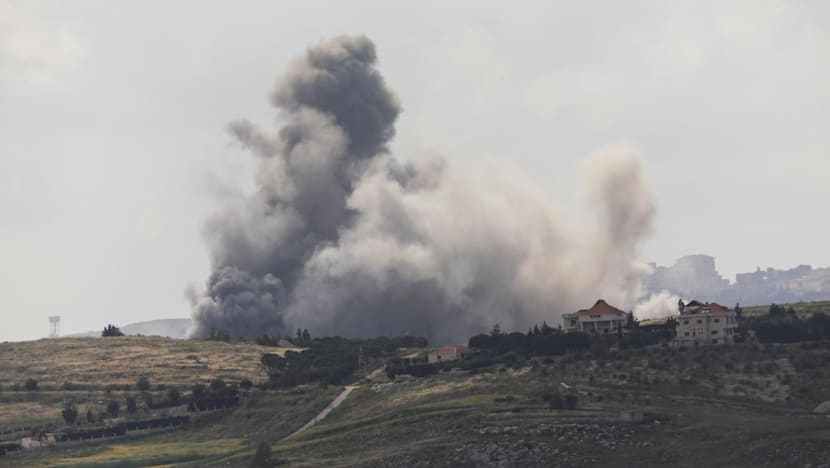
- The talks are taking place amid a backdrop of heightened military activity, including recent Israeli airstrikes (per JPost).
HISTORICAL CONTEXT
The upcoming third round of talks between Lebanon and Israel, scheduled to take place at the US State Department in Washington, represents a significant diplomatic effort to address longstanding issues between the two nations.
This initiative is part of a broader US strategy to stabilize the region, but it also risks exacerbating internal tensions within Lebanon and potentially heightening regional instability. The immediate backdrop to these talks is the ongoing Israel-Gaza-Hamas conflict, which has seen renewed hostilities and a fragile truce since 2021.
Brief
Israel and Lebanon are preparing to engage in their third round of direct talks in Washington, scheduled for Thursday at 4:00 p.m. The Israeli delegation will be led by Ambassador Yechiel Leiter, while the Lebanese side will be represented by former ambassador Simon Karam.
This round of discussions comes amid significant military tensions, with Hezbollah criticizing the negotiations as 'free concessions' to Israel. Hezbollah lawmaker Ali Ammar expressed strong opposition to the talks, arguing that they undermine Lebanon's position given the ongoing Israeli military actions against the country.
Reports indicate that these military actions have continued despite existing ceasefire arrangements, further complicating the atmosphere surrounding the negotiations. Both parties remain divided on key issues, which could hinder progress in the discussions.
The backdrop of military activity, including recent Israeli airstrikes, adds urgency to the talks, as both sides seek to address their longstanding disputes.
Why it matters
- Lebanon's civilian population faces increased military threats from Israel, with ongoing airstrikes contributing to instability (per JPost).
- Hezbollah's rejection of the talks may lead to further military escalations, impacting Lebanese security and sovereignty (per Middle East Eye).
- The outcome of these talks could influence regional stability, particularly in the context of Israel's ongoing military operations (per news.google.com).
What to watch next
- Whether Hezbollah escalates military actions in response to the talks by the end of the week.
- The outcome of the discussions on key issues at the Washington talks on Friday.
- Any statements from Israeli or Lebanese leaders following the initial round of talks.
Where sources differ
3 dimensionsBias gap1.10 / 2.0
Left- and right-leaning outlets are covering this story differently — in which facts to emphasize, which context to include, and how to frame causes and consequences.
Left-leaning (2)
middle_east_eye-0.35
But neither side has fully escaped the weight of the past. Lebanon’s talks with Israel test fragile relationship with Syria Since the fall of Syrian President Bashar al-Assad, the …
haaretz.com-0.35
Split on Key Issues, Israel and Lebanon Meet for Third Round of Direct Talks in Washington Split on Key Issues, Israel and Lebanon Meet for Third Round of Direct Talks in Washingto…
Center (14)
timesofisrael.comnewarab.commsn.comaljazeera.comreuters.commsn.commsn.comen.majalla.comynetnews.comworldpoliticsreview.comen.abna24.comchannel_news_asiadailystar.com.lbaol.com
Right-leaning (1)
jerusalem_post+0.75
Third round of Israel-Lebanon talks to take place with military officials, sources tell 'Post' Third round of Israel-Lebanon talks to take place with military officials, sources te…
3 specific areas where coverage diverges — see below.
Framing differences
?- Middle East Eye emphasizes Hezbollah's condemnation of the talks as 'free concessions', while JPost focuses on the official delegations and the logistics of the talks.
Omitted context
?- No source mentions the specific military actions that have occurred in the days leading up to the talks, which could provide context for the tensions.
Notable claims
?- Hezbollah lawmaker Ali Ammar stated that the talks represent 'free concessions' to Israel.
Sources
6 of 17 linked articles · Filter: Middle East
IDF kills Hezbollah operatives in Lebanon, as drones trigger border sirens
timesofisrael.comMay 22Center
↗
Lebanon’s talks with Israel test fragile relationship with Syria
middleeasteye.netMay 22Left
↗
Lebanon’s economy struggles under renewed war and global fuel crisis
aljazeera.comMay 22Left
↗
Hezbollah Warns Against ‘Free Concessions’ to Israel During Peace Talks
dailystar.com.lbMay 14Left
↗
Split on Key Issues, Israel and Lebanon Meet for Third Round of Direct Talks in Washington
haaretz.comMay 14Left
↗
The talks are scheduled to begin on Thursday at 4:00 p.m.
jpost.comMay 13Right
↗