
“I have informed my representatives not to rush into a deal in that time is on our side.
Coveragetap to expand ▾Spectrum: Mixed🌍Other: 4 · US: 2 · ME: 1
- On October 22, 2023, President Donald Trump stated that he has instructed his representatives not to rush into a deal with Iran, emphasizing that 'time is on our side.'
- President Trump declared on October 22, 2023, that Iran will never possess a nuclear weapon, amid skepticism from top GOP Senators regarding the details of the potential peace deal.
- Oil prices dropped by 3% on October 22, 2023, as reports emerged about a potential deal between the U.S. and Iran.
- Trump indicated that the blockade of the Strait of Hormuz will remain in place until a final agreement with Iran is reached.
- The proposed deal with Iran is said to differ from the Obama-era agreement by including 'no cash' transactions, according to President Trump on October 21, 2023.
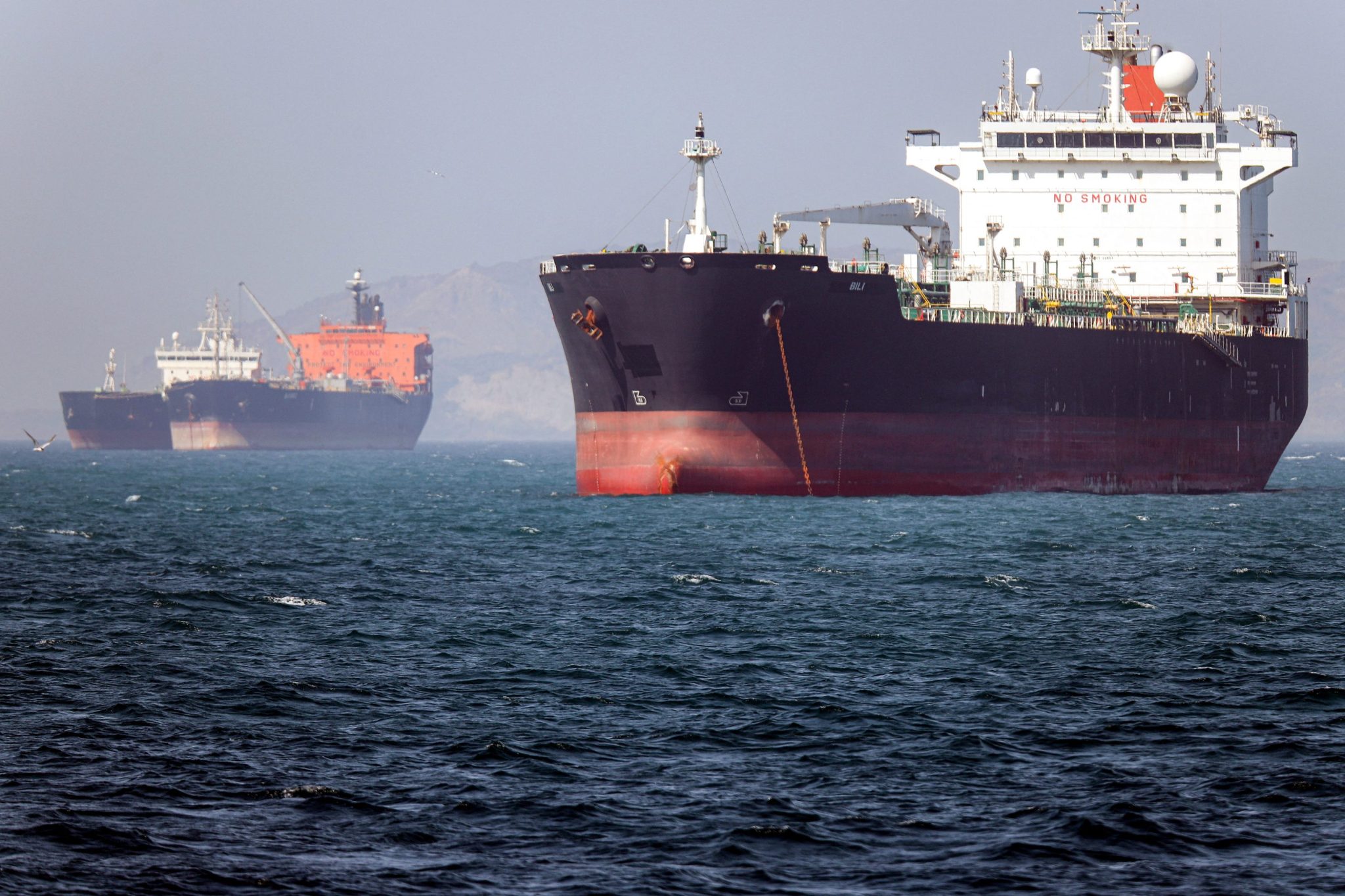
Oil prices have dropped sharply as the United States and Iran appear to be edging closer to a potential deal regarding the Strait of Hormuz. Global crude benchmark Brent fell by as much as 5.2% to $98.12 a barrel, while West Texas Intermediate hovered near $92.
President Donald Trump emphasized that he would not rush into a deal, noting that negotiations are still ongoing and that the blockade of the Strait of Hormuz will remain in place until a final agreement is reached. Senior U.S. officials have indicated that any final approval may take several days, highlighting the complexities involved in the negotiations.
Key differences persist, particularly concerning Iran's nuclear program, which remains a contentious issue. Iran's Tasnim news agency has warned that the draft agreement could collapse due to U.S. obstruction of critical clauses, including demands for the unfreezing of Iranian assets.
This situation unfolds against the backdrop of a crisis that has significantly impacted global energy markets, initiated by U.S. and Israeli military actions against Iran that began in February 2026. As the situation develops, the stakes remain high for both nations, with the potential for further fluctuations in oil prices and broader implications for regional stability.
- The potential deal between the U.S. and Iran, particularly regarding the reopening of the Strait of Hormuz, could significantly impact global oil markets, leading to lower prices for consumers and businesses reliant on oil.
- If the blockade is lifted, shipping routes will become more secure, benefiting not only oil exporters but also industries in North America that depend on stable energy prices.
- However, skepticism from GOP Senators and Trump's insistence on a no-cash deal may prolong negotiations, keeping uncertainty in the market and affecting the financial planning of companies tied to oil production and distribution.
- Watch for President Trump’s announcement regarding any changes to the blockade of the Strait of Hormuz within the next 72 hours, as this could impact oil prices further.
- Keep an eye on negotiations between U.S. and Iranian representatives, with a potential meeting scheduled before the upcoming June summit to discuss the terms of a deal.
- Monitor the response from major oil-producing nations, particularly OPEC, as they may adjust production levels in reaction to the evolving situation in the next quarterly earnings report.
- Look for statements from energy analysts and economists in the next week that may provide insights on projected oil price trends based on the negotiations.
- Anticipate potential legislative actions from Congress regarding sanctions on Iran, which may be proposed within the next month depending on the progress of the deal.
Left- and right-leaning outlets are covering this story differently — in which facts to emphasize, which context to include, and how to frame causes and consequences.