
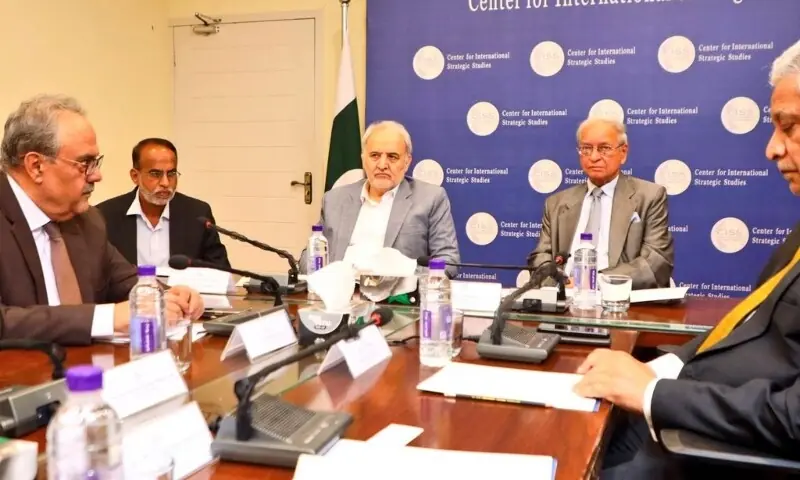
Moghadam: US-Iran War May Shift Regional Political Alliances
Topic: defense & securityRegion: Middle EastUpdated: i1 outletsSources: 1Spectrum: Center OnlyFiltered: Middle East (1/1)· Clear⏱ 2 min read
Story Summary
SITUATION
Moghadam has indicated that the ongoing US-Iran war could catalyze a significant realignment of political alliances in the Middle East. This assertion comes as the conflict continues to reshape relationships among various countries in the region, potentially leading to new diplomatic and military strategies.
Coveragetap to expand ▾Spectrum: Center Only🌍ME: 1
Political Spectrum
Position is inferred from coverage mix.
i1 outlets · Center
Left
Center
Right
Left: 0
Center: 1
Right: 0
KEY FACTS
- Moghadam suggests that the US-Iran war may result in new political alignments in the region (per dawn.com).
- Moghadam's analysis indicates that the war could reshape alliances that have existed for decades (per dawn.com).
- The implications of these shifts could affect diplomatic and military strategies across the region (per dawn.com).
HISTORICAL CONTEXT
Brief
The war, which has already altered existing alliances, may prompt nations to reassess their positions and partnerships based on the evolving power dynamics. Moghadam's analysis highlights the importance of recognizing these shifts as they unfold, suggesting that the geopolitical landscape is in a state of flux.
As countries respond to the ongoing conflict, the implications for regional stability and cooperation could be profound. Understanding these changes is crucial for policymakers and analysts alike, as they navigate the complexities of a war that has far-reaching consequences beyond the immediate battlefield.
Why it matters
- Countries in the Middle East may face increased pressure to realign their political alliances due to the US-Iran war, impacting their diplomatic strategies.
- The shifting alliances could lead to new military partnerships, affecting regional security dynamics and potentially escalating conflicts.
- Understanding these changes is vital for nations involved in the conflict, as they may need to adapt their foreign policies to align with new power structures.
What to watch next
- Whether regional countries begin to formalize new alliances in response to the US-Iran war.
- Potential diplomatic initiatives by nations seeking to capitalize on the shifting political landscape.
- Observations from Moghadam and other analysts on the evolving geopolitical dynamics in the region.
Where sources differ
1 dimensionSummary
?- {"framing":[],"numbers":[],"causality":[],"attribution":[],"omitted_context":[],"disputed_or_unclear":[],"notable_quotes_or_claims":[]}
Sources
1 of 1 linked articles · Filter: Middle East