
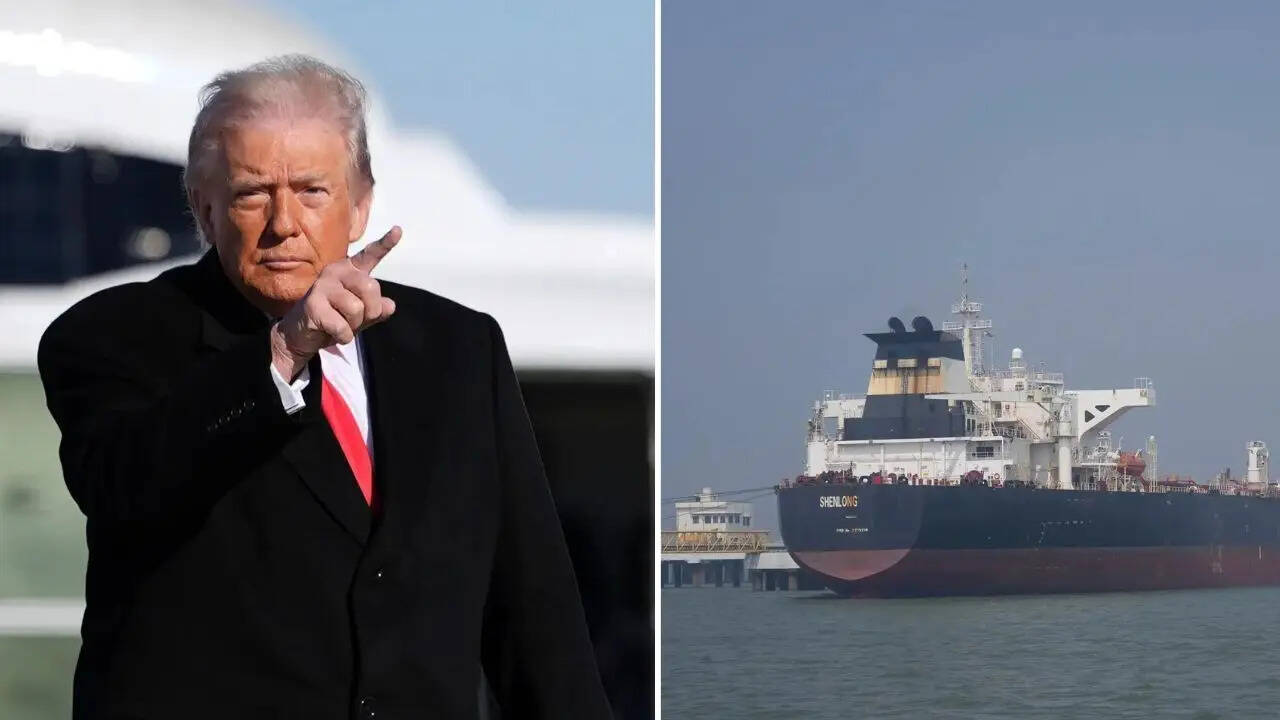
US Ends Offensive Operations in Iran, Rubio Confirms Shift to Defense
Coveragetap to expand ▾Spectrum: Mixed🌍US: 5 · Asia: 2 · Europe: 1 · ME: 1 · Other: 1
- US Secretary of State Marco Rubio declared the end of offensive operations against Iran, known as 'Operation Epic Fury' (per news.google.com).
- Rubio stated that the US military's current posture is defensive, with no engagement unless provoked (per news.google.com).
- President Donald Trump announced a temporary pause of 'Project Freedom', a mission to guide ships through the Strait of Hormuz, to facilitate negotiations with Iran (per middleeasteye.net, nypost.com).
- The US naval blockade of Iranian ports will remain in effect during the pause of 'Project Freedom' (per middleeasteye.net, washingtonexaminer.com).
- The pause in 'Project Freedom' comes amid reported progress toward a peace agreement with Iran (per nypost.com, washingtonexaminer.com).
- The clashes in the Strait of Hormuz were not part of the original war strategy, according to Rubio (per news.google.com).
- Rubio's announcement follows a fragile ceasefire that has been in place for nearly a month (per news.google.com).
US Secretary of State Marco Rubio announced that the United States has concluded its offensive military operations against Iran, marking a significant shift in the ongoing conflict. Dubbed 'Operation Epic Fury', these operations have now transitioned to a defensive stance, with Rubio emphasizing that US forces will only engage if attacked.
This announcement aligns with President Donald Trump's decision to temporarily pause 'Project Freedom', a mission designed to ensure the safe passage of commercial ships through the Strait of Hormuz. The pause is intended to create a conducive environment for negotiations with Iran, as both nations work towards a potential peace agreement.
Despite the pause in 'Project Freedom', the US naval blockade of Iranian ports remains firmly in place. Trump attributed the decision to pause the operation to requests from Pakistan and other countries, highlighting the international dimension of the ongoing negotiations.
The President expressed optimism about the progress being made towards a final agreement with Iran, suggesting that the temporary halt could facilitate the signing of a comprehensive deal. The situation in the Strait of Hormuz, a critical chokepoint for global oil shipments, has been tense, with recent clashes not originally part of the US's strategic plan.
Rubio clarified that the current US military posture is defensive, underscoring a commitment to avoid further escalation unless provoked. This stance reflects a broader strategic recalibration as the US seeks to navigate the complexities of Middle Eastern geopolitics.
The announcement of the offensive stage's conclusion comes nearly a month into a fragile ceasefire, which has seen intermittent violations but remains largely intact. The US's shift to a defensive posture and the pause in 'Project Freedom' are seen as pivotal steps in de-escalating tensions and paving the way for diplomatic solutions.
As negotiations continue, many governments watches closely, aware of the significant implications for regional stability and global energy markets. The outcome of these talks could redefine US-Iran relations and influence the broader geopolitical landscape in the Middle East.
- The Iranian population bears the concrete costs of the US naval blockade, which restricts access to essential goods and impacts the economy.
- US defense contractors benefit from continued military operations and the maintenance of the naval blockade, as these activities sustain demand for military resources.
- The global oil market is directly affected by tensions in the Strait of Hormuz, with potential disruptions impacting oil prices and supply chains worldwide.
- Diplomatic progress between the US and Iran could lead to a reduction in military expenditures and a shift in regional alliances, affecting geopolitical dynamics.
- Whether President Trump and Iranian representatives finalize a peace agreement in the coming weeks.
- The impact of the US naval blockade on Iranian ports and its influence on ongoing negotiations.
- Any changes in military engagement rules as the US maintains a defensive posture in the region.
- The response of other regional powers, such as Saudi Arabia and Israel, to the US's strategic shift.
Left- and right-leaning outlets are covering this story differently — in which facts to emphasize, which context to include, and how to frame causes and consequences.
6 specific areas where coverage diverges — see below.
- Middleeasteye.net emphasizes Trump's optimism about negotiations, while news.google.com focuses on Rubio's defensive posture announcement.
- The exact timeline for finalizing a peace agreement with Iran remains unverified.
- No source mentions the economic impact of the US naval blockade on Iranian civilians.
- The historical context of US-Iran relations, including past conflicts and sanctions, is not detailed in any source.
- Sources agree on the sequence of events: US offensive operations ended, followed by the pause in 'Project Freedom'.
- All sources attribute the decision to pause 'Project Freedom' to President Trump, citing international requests.
- Rubio: 'This is not an offensive operation; this is a defensive operation.' (per news.google.com)