
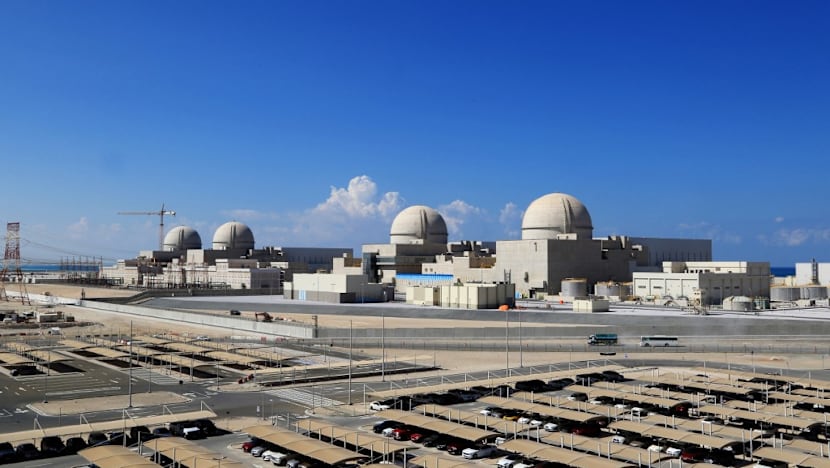
Drone strike injures three Indians in Fujairah oil zone amid regional tensions
Topic: defense & securityRegion: asia pacificUpdated: i2 outletsSources: 22Spectrum: Center OnlyFiltered: Middle East (2/17)· Clear⏱ 4 min read⚠ 3d+ old
Casualties — Confirmed Figures
(No fatalities reported in the incident.)Indian nationals3 injured(injured in drone strike)
Story Summary
SITUATION
A drone strike in the Fujairah oil zone injured three Indian nationals, prompting condemnation from Indian officials. The incident highlights escalating tensions in the region, particularly following recent Iranian strikes on UAE facilities (per Hasht-e Subh Daily, ANI News).
Coveragetap to expand ▾Spectrum: Center Only🌍Other: 12 · Asia: 3 · ME: 2
Political Spectrum
Position is inferred from coverage mix.
i2 outlets · Center
Left
Center
Right
Left: 2
Center: 15
Right: 0
Geography Coverage
Distribution of where coverage is coming from.
i2 unique outlets · Dominant: Global
KEY FACTS
- Three Indian nationals were injured in a drone strike at the Fujairah oil zone in the UAE (per Moneycontrol.com).
- This attack follows a series of Iranian drone strikes targeting the Barakah nuclear facility in the UAE, which India has condemned as a 'dangerous escalation' (per Times of India).
- The UAE has reportedly conducted secret military strikes against Iran, contributing to the rising tensions in the region (per econotimes.com).
HISTORICAL CONTEXT
The recent engagement of UAE air defenses with Iranian missiles and drones marks a significant escalation in the ongoing conflict involving the United States, Israel, and Iran, particularly in the strategically vital Strait of Hormuz.
This narrow waterway is crucial for global oil shipments, with approximately 20% of the world's oil passing through its waters, making it a focal point for international maritime security. The immediate backdrop to this military action is the heightened tensions following the U.S. and Israeli military strikes against Iran in early 2026.
Brief
A drone strike in the Fujairah oil zone of the UAE has injured three Indian nationals, marking a significant escalation in regional tensions. The Indian government has condemned the attack as 'unacceptable' and called for an immediate cessation of violence.
This incident comes on the heels of Iranian drone strikes targeting the Barakah nuclear facility in the UAE, which India has described as a 'dangerous escalation'. The Ministry of External Affairs has expressed deep concern over the safety of its citizens abroad, particularly in light of the ongoing conflict in the region.
The UAE's military actions against Iran, including alleged secret strikes, have further complicated the situation, contributing to a volatile atmosphere. While the specifics of the drone strike's origin are still under investigation, the incident underscores the precarious security environment in the Middle East, where multiple actors are engaged in a complex web of conflict.
As tensions rise, many governments watches closely, with calls for de-escalation becoming increasingly urgent.
Why it matters
- Three Indian nationals were injured in the drone strike, highlighting the direct impact of regional conflicts on foreign citizens (per Moneycontrol.com).
- The Indian government's condemnation of the attack reflects its commitment to protecting its citizens abroad, which could strain diplomatic relations with involved parties (per ANI News).
- The ongoing military actions between the UAE and Iran could lead to further instability in the region, affecting energy supplies and security (per econotimes.com).
What to watch next
- Whether the Indian government takes further diplomatic actions in response to the Fujairah attack.
- Any official statements from the UAE regarding the origin and responsibility for the drone strike.
- Developments in the ongoing conflict between Iran and the UAE, particularly regarding military actions and retaliations.
Where sources differ
3 dimensionsFraming differences
?- ANI News emphasizes the Indian government's condemnation of the attack, while other sources focus on the broader implications for regional stability.
Disputed or unclear
?- The exact origin of the drone strike remains unclear, with no sources confirming whether it was directly linked to Iranian actions.
Omitted context
?- No source mentions the specific timeline of Iranian strikes on the Barakah nuclear facility that preceded the Fujairah attack.
Sources
2 of 17 linked articles · Filter: Middle East