
Iran War Drives Gas Prices Up 50% Amid Global Energy Crisis
Coveragetap to expand ▾Spectrum: Mostly Center🌍Other: 5 · US: 3 · ME: 1 · Asia: 1
- Gasoline prices have increased by 50% since the war with Iran began (per fortune.com).
- The global energy crisis caused by the Iran war is the main reason for the increase in gasoline prices (per fortune.com).
- The Strait of Hormuz, a critical chokepoint for global oil supply, is constrained, contributing to the rise in oil prices (per fortune.com).
- The ongoing conflict has created a fundamental shortfall in meeting global energy demand, driving up prices (per fortune.com).
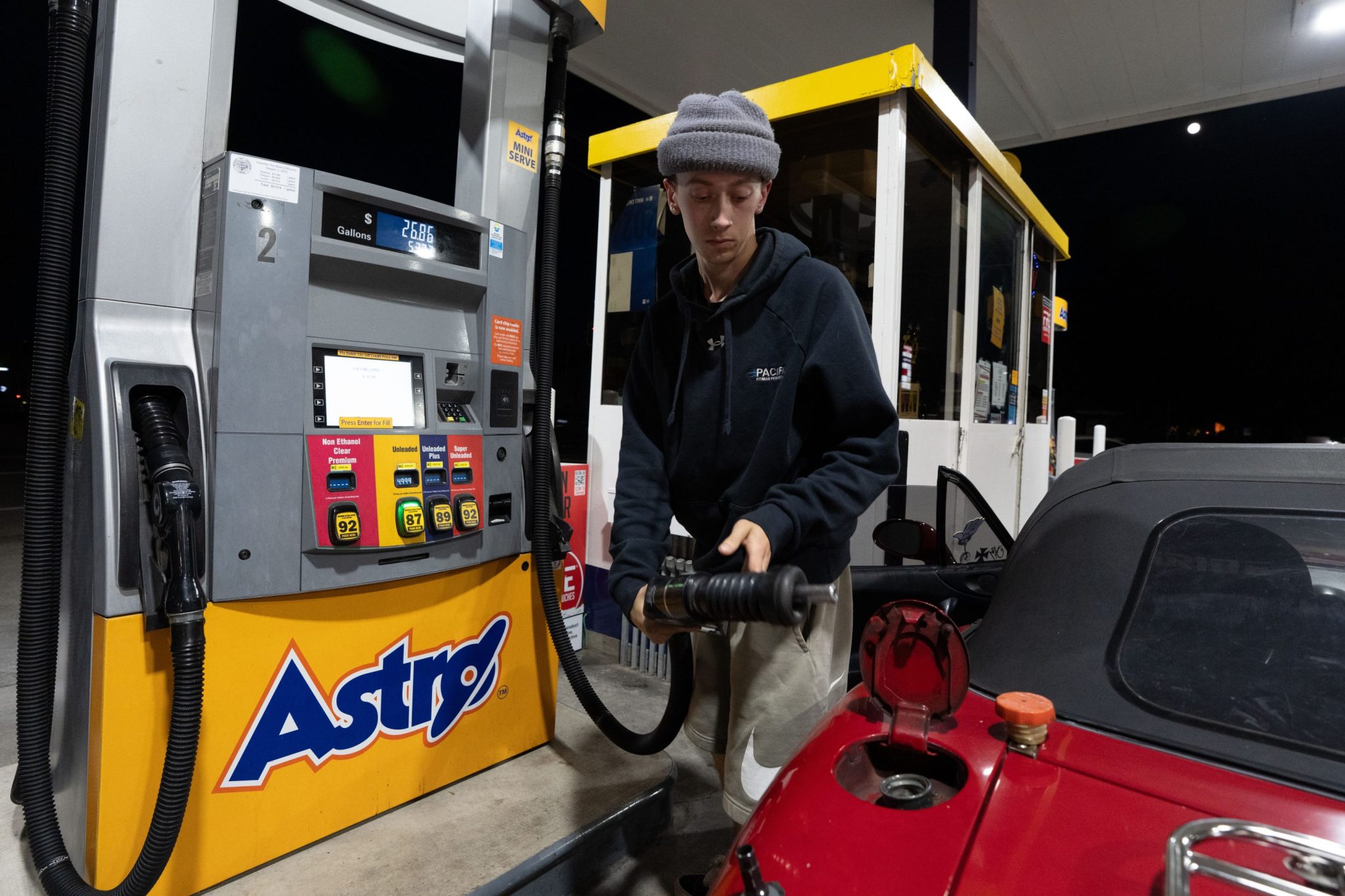
Gasoline prices have surged dramatically, with a 50% increase since the onset of the war in Iran, highlighting the severe impact of the conflict on global energy markets. The price of a gallon of regular gasoline has risen by 31 cents in just the past week, reaching an average of $4.48 per gallon, according to AAA.
This spike is primarily attributed to the global energy crisis triggered by the war, which has disrupted oil supplies and heightened market volatility. The Strait of Hormuz, a vital passage for oil transportation, remains a significant factor in the escalating prices.
The ongoing conflict has constrained this critical chokepoint, exacerbating the global shortfall in energy supply. Analysts note that the inability to meet global demand is exerting upward pressure on oil prices daily.
There is speculation about a potential deal concerning the Strait of Hormuz, which could potentially unlock millions of barrels of oil per day, alleviating some of the supply constraints. However, the geopolitical complexities of the region make such resolutions challenging.
The war's impact on energy markets underscores the interconnectedness of global supply chains and the vulnerability of energy-dependent economies to geopolitical tensions. As prices continue to rise, consumers are feeling the financial strain, with the cost of gasoline hitting wallets hard.
The situation remains fluid, with market analysts closely monitoring developments in the region. The potential for a diplomatic resolution or further escalation could significantly influence future price trends.
In the meantime, energy portfolios are being adjusted to navigate the volatile market conditions, with investors seeking to position themselves strategically amid the uncertainty. The outcome of any negotiations regarding the Strait of Hormuz will be pivotal in determining the trajectory of oil prices and the broader energy market.
- Consumers in the United States are bearing the financial burden of rising gasoline prices, with costs increasing by 50% since the war began, directly impacting household budgets.
- Oil companies and energy investors may benefit from the increased prices, as they can capitalize on the higher market rates amid constrained supply.
- The constrained Strait of Hormuz affects global oil supply, impacting economies worldwide that rely on stable energy prices for growth and stability.
- Whether a deal regarding the Strait of Hormuz is reached, potentially unlocking millions of barrels of oil per day.
- Any diplomatic negotiations between the involved parties that could influence the conflict's impact on global energy markets.
- Changes in gasoline prices in the coming weeks as market conditions evolve.
- fortune.com emphasizes the impact of the Iran war on gasoline prices, while news.google.com focuses on potential solutions like a Strait of Hormuz deal.
- The exact timeline for any potential deal regarding the Strait of Hormuz remains unclear.
- No source mentions the specific geopolitical actions that led to the current constraints in the Strait of Hormuz.
- fortune.com reports a 50% increase in gasoline prices, but does not specify the baseline price for comparison.
- fortune.com attributes the price increase directly to the Iran war, while news.google.com suggests potential resolutions without detailing the initial causes.
- fortune.com attributes the price surge to the global energy crisis caused by the Iran war.