
Israel’s Image Crisis: Becoming Too Big to Spin?
Coveragetap to expand ▾Spectrum: Left Only🌍ME: 1 · Asia: 1
- Israel has faced increasing criticism for its military actions in Gaza, Lebanon, and Iran, particularly since the escalation of conflict in 2023.
- Reports indicate that settler violence in the occupied West Bank has surged, with over 500 incidents recorded in the first half of 2023 alone.
- In response to declining public support, particularly in the United States, Israel has initiated a public relations campaign aimed at improving its international image.
- A recent poll conducted in September 2023 showed that only 30% of Americans view Israel favorably, a significant drop from 50% in 2021.
- Israeli officials have stated that they plan to increase their outreach efforts to key demographics, including younger voters and minority communities in the US.
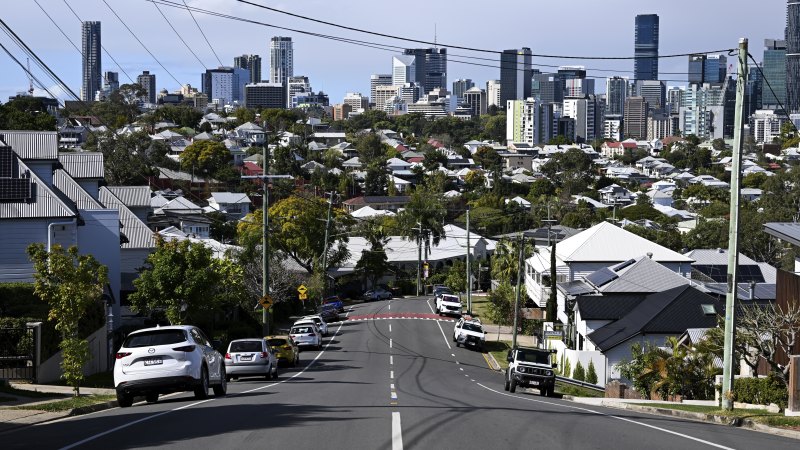
The federal government's proposed tax reforms are set to reshape the housing landscape in Queensland, where a severe housing crisis has emerged. The reforms aim to limit negative gearing to new builds and reduce capital gains tax concessions, measures intended to enhance affordability for first home buyers.
In Queensland, particularly in Brisbane, home values have skyrocketed by 84 percent over the past five years, translating to an average increase of around $509,000 per home. This sharp rise starkly contrasts with Melbourne, which saw a modest 5.8 percent increase, or about $45,000.
The widening gap between investors and first home buyers has raised concerns, as recent ABS data highlights the growing disparity in the housing market.
Despite the government's intentions, Queensland Opposition Leader David Crisafulli has voiced skepticism regarding the effectiveness of these reforms, suggesting that they may not adequately address the pressing issues facing potential homeowners.
Economists and financial analysts, however, predict that the impact of these changes will be most acute in Queensland, indicating a critical moment for the state's housing policy as it grapples with unprecedented demand and soaring prices.
- Israel's intensified PR efforts come at a critical juncture as public support, particularly in the US, wanes in response to ongoing military actions and rising violence in the occupied West Bank.
- This shift not only affects Israel's diplomatic relations but also impacts the Palestinian population, who face increasing hardships amid the conflict.
- As international scrutiny grows, the potential for reduced military aid and political backing from key allies could further exacerbate humanitarian conditions in the region, leading to a cycle of instability that affects both Israeli and Palestinian communities.
- Watch for Israel's government to announce new diplomatic initiatives aimed at improving its international image within the next week, potentially involving outreach to key allies in Europe and the U.S.
- Monitor statements from major international organizations, such as the UN, regarding their upcoming resolutions on Israel's actions, expected to be released within the next 10 days.
- Anticipate a response from Israeli tech companies regarding their participation in global forums, with decisions expected by the end of the month, which could influence perceptions of Israel's innovation sector.
- Keep an eye on upcoming public opinion polls in the U.S. and Europe, scheduled for release within the next two weeks, that may reflect shifts in attitudes toward Israel amidst ongoing conflicts.
- Expect a press conference from the Israeli Prime Minister within 72 hours, where he may outline strategies to counteract negative narratives in the media.