
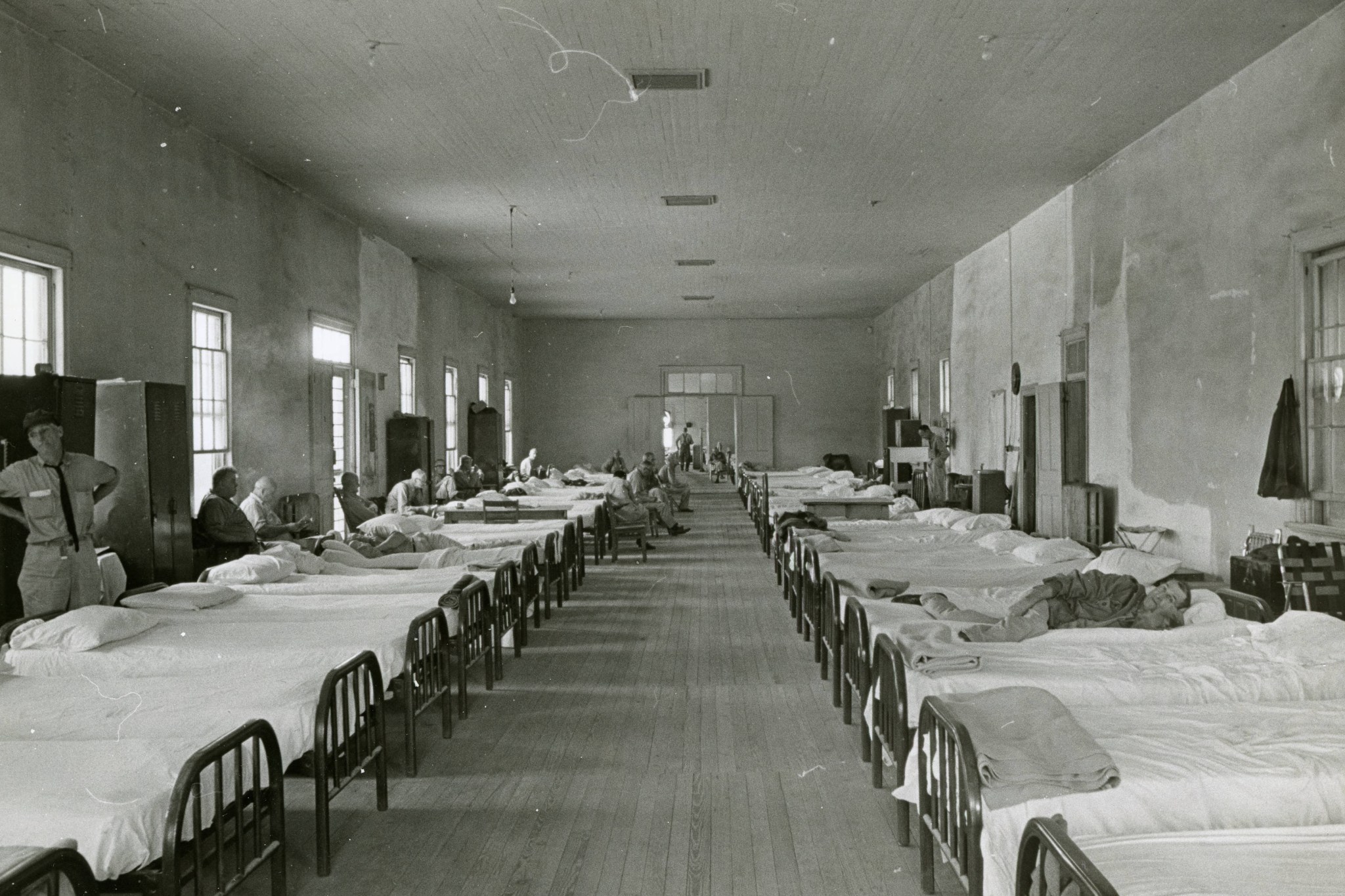
500,000 people were locked in state psychiatric hospitals. Their descendants can’t find out why
Topic: generalRegion: north americaUpdated: i1 outletsSources: 1Spectrum: Center OnlyFiltered: Global (0/1)· Clear⏱ 1 min read⚠ 3d+ old
Story Summary
SITUATION
Approximately 500,000 individuals were institutionalized in state psychiatric hospitals, leaving their descendants struggling to uncover the reasons behind their confinement. Many family members, like Debby Hannigan, have faced repeated denials when seeking access to medical records that could shed light on their relatives' mental health histories.
Coveragetap to expand ▾Spectrum: Center Only🌍Other: 1
Political Spectrum
Position is inferred from coverage mix.
i1 outlets · Center
Left
Center
Right
Left: 0
Center: 1
Right: 0
Geography Coverage
Distribution of where coverage is coming from.
i1 unique outlets · Dominant: Global
KEY FACTS
- Breta Meria Conole was in a state psychiatric hospital for more than two decades.
- The second time she included a supporting note from her daughter’s therapist, who said the details would help “to know their family medical history better.” Both times she was turned away.
HISTORICAL CONTEXT
This development falls within the broader context of General activity in North America. Current reporting indicates: 500,000 people were locked in state psychiatric hospitals. Their descendants can’t find out why 500,000 people were locked in state psychiatric hospitals.
Their descendants can’t find out why Breta Meria Conole was in a state psychiatric hospital for more than two decades. This context is based on the currently available source text and may be refined as fuller reporting becomes available.
Brief
The plight of descendants seeking answers about their family members institutionalized in state psychiatric hospitals highlights a significant gap in mental health record accessibility. Approximately 500,000 individuals were confined in these facilities, often without clear documentation of the reasons for their institutionalization.
Family members, such as Debby Hannigan, have faced numerous obstacles in their attempts to obtain medical records that could illuminate the mental health histories of their relatives. Despite submitting multiple requests, including supporting documentation from healthcare professionals, many have been denied access, leaving them frustrated and without closure.
This situation underscores a broader issue of transparency and accountability within mental health institutions, where the legacy of past practices continues to affect families today. The inability to access these records not only perpetuates family mysteries but also hinders the understanding of potential hereditary mental health issues.
As descendants grapple with these challenges, the need for reform in how mental health records are managed and disclosed becomes increasingly urgent.
Sources
0 of 1 linked articles · Filter: Global