
ACMA finds Four Corners' March 2025 episode failed impartiality; ABC boss Hugh Marks rejects ruling
Coveragetap to expand ▾Spectrum: Mixed🌍Europe: 1 · Asia: 1
- ACMA concluded the March 2025 Four Corners episode 'Sacrifice' failed impartiality obligations (per smh.com.au)
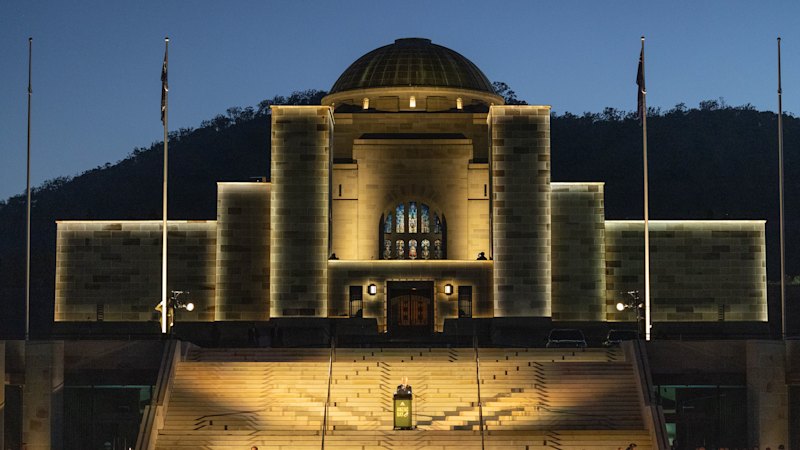
- The episode was led by reporter Mark Willacy and examined the Australian War Memorial redevelopment (per smh.com.au)
- ACMA found the program unduly favoured a critical perspective and failed in its analysis of the redevelopment consultation process (per smh.com.au)
- ACMA said the program's selection and treatment of interviewees was flawed (per smh.com.au)
- ACMA said the program did not adequately explain the findings of an Australian National Audit Office report, primarily focusing on its deficiencies (per smh.com.au)
The Australian Communications and Media Authority has found that Four Corners’ March 2025 episode 'Sacrifice' failed to meet the broadcaster’s impartiality obligations, concluding the program unduly favoured a critical perspective of the Australian War Memorial redevelopment and mishandled its analysis of the consultation process (per smh.com.au).
The episode, reported by Mark Willacy, also drew ACMA criticism for its selection and treatment of interviewees and for not adequately explaining the Australian National Audit Office report it discussed (per smh.com.au). ABC managing director Hugh Marks publicly rejected the regulator’s decision, slamming the finding and defending the broadcaster’s journalism (per smh.com.au).
ACMA’s assessment focuses on editorial choices within that specific episode rather than alleging broader misconduct across the ABC’s output, and it singles out how the program framed the ANAO findings as deficient without fully setting out the report’s conclusions (per smh.com.au).
The dispute pits the statutory media regulator’s interpretation of impartiality standards against the ABC leadership’s defence of editorial judgment; the source records Marks' forceful rejection but does not provide details of any regulatory penalties or next procedural steps (per smh.com.au).
This ruling comes amid wider public debate over the War Memorial redevelopment and media scrutiny of national institutions, but the article confines itself to ACMA’s findings and the ABC’s rebuttal rather than expanding into the broader policy dispute (per smh.com.au).
- The Australian public bears the concrete cost because ACMA’s finding challenges the perceived impartiality of national broadcaster reporting on the Australian War Memorial redevelopment, potentially reducing trust among Australians who rely on ABC journalism (per smh.com.au).
- ABC staff and the network’s editorial independence are at stake because Hugh Marks’ rejection of ACMA’s ruling signals a confrontation between the broadcaster and its statutory regulator over how impartiality standards are applied (per smh.com.au).
- Stakeholders in the Australian War Memorial redevelopment — including supporters and critics of the project — face reputational impact because ACMA flagged that the program emphasised the ANAO report’s deficiencies without adequately presenting its findings (per smh.com.au).
- Whether ACMA issues any formal sanctions or further directions to the ABC following this finding and the timeline for any such actions (per smh.com.au).
- table for any appeal (per smh.com.au).
- Whether the ABC alters editorial guidance for Four Corners or other programs on handling audit reports and interview selection in response to the ruling (per smh.com.au).
- Only smh.com.au is present in this pack; it frames ACMA as finding the episode failed impartiality while highlighting Hugh Marks' rejection of the regulator's finding (per smh.com.au).
- No other outlet in this pack disputes or corroborates ACMA’s legal interpretation or provides independent analysis of whether the episode actually breached impartiality standards (per smh.com.au).
- No source here details whether ACMA will impose sanctions, what procedural next steps exist, or the legal standard for appealing ACMA findings; readers lack procedural context (per smh.com.au).
- No source quantifies audience reach or impact of the Four Corners episode, leaving the scale of public exposure unclear (per smh.com.au).
- No source discusses prior ACMA findings against ABC or historical regulator–broadcaster disputes that would contextualise this decision (per smh.com.au).
- No differing numerical figures appear in this pack; the article does not provide casualty, monetary, or numerical audience data (per smh.com.au).
- The source states ACMA judged specific editorial choices (selection and treatment of interviewees, framing of ANAO report) led to a failure of impartiality; ABC’s Hugh Marks rejects that causal linkage (per smh.com.au).
- ACMA attributes the impartiality failure to the program's editorial decisions; Hugh Marks attributes the finding as incorrect and rejects the regulator's view (per smh.com.au).