
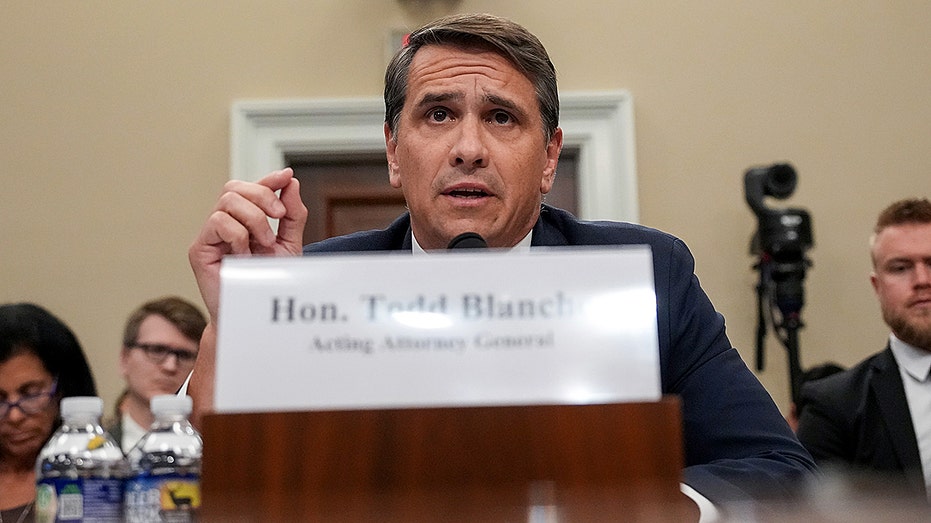
Acting AG Blanche reveals fate of Trump's 'anti-weaponization fund' under pressure from House lawmakers
Coveragetap to expand ▾Spectrum: Mostly Center🌍US: 2 · Other: 2 · Europe: 1
- Trump's $1.8 billion 'weaponization' fund is not moving forward, acting AG Blanche says
- The GOP has been demanding that Trump kill the controversial $2 billion fund before reviving the ICE funding package.
- Acting AG Todd Blanche says Trump ‘absolutely’ would have gone to prison if he lost the 2024 election - AOL.com
Acting Attorney General Todd Blanche has confirmed that former President Donald Trump's $1.8 billion 'anti-weaponization fund' will not proceed, a decision made under pressure from House lawmakers. This fund was designed to counter what Trump and his supporters perceived as the weaponization of government agencies against political opponents.
Blanche's announcement comes amid ongoing negotiations in Congress, where House Republicans have demanded the fund's cancellation as a prerequisite for reviving the Immigration and Customs Enforcement (ICE) funding package. The GOP's stance reflects a broader discontent with the fund, which many view as controversial and unnecessary.
In a related statement, Blanche remarked that Trump 'absolutely' would have faced prison time had he lost the 2024 election, highlighting the precarious legal landscape surrounding the former president.
The cancellation of the fund signifies a significant shift in Trump's approach to governance as he navigates the complexities of congressional relations and the upcoming election cycle. This development underscores the ongoing tensions within the Republican Party as it grapples with its identity and strategy moving forward.
- The decision to halt Trump's $1.8 billion 'anti-weaponization fund' directly impacts federal law enforcement agencies, particularly those reliant on ICE funding, as their budgetary uncertainties continue.
- This move reflects the ongoing tensions within the GOP, where lawmakers are prioritizing fiscal responsibility over controversial initiatives, potentially stalling critical immigration enforcement operations.
- As a result, communities may face increased challenges in managing immigration issues, while Trump's legal vulnerabilities remain a focal point for congressional scrutiny, shaping the political landscape as the 2024 election approaches.
- House lawmakers are expected to vote on proposed amendments to the funding structure of the 'anti-weaponization fund' within the next week.
- Acting AG Blanche will hold a press conference within 72 hours to clarify the implications of the fund's fate on ongoing investigations.
- Key Senate committees are scheduled to meet next month to discuss potential reforms to the oversight of federal funding related to political investigations.
- The White House is anticipated to release a statement regarding its stance on the fund's future before the upcoming congressional recess.
- Advocacy groups are planning to mobilize for a rally next Friday to voice their opinions on the fund's impact on civil liberties and political accountability.
Left- and right-leaning outlets are covering this story differently — in which facts to emphasize, which context to include, and how to frame causes and consequences.