
‘This crisis is still at the beginning’: ANZ boss warns of risks from Iran war
Coveragetap to expand ▾Spectrum: Mostly Center🌍US: 1 · Europe: 1 · Asia: 1 · Other: 1
- ANZ Bank CEO Nuno Matos warned of economic risks stemming from the conflict in Iran (per smh.com.au).
- Matos stated that the crisis is still at the beginning and could have prolonged impacts (per smh.com.au).
- Households are beginning to feel the impact of higher transport costs, reducing their spending on non-essential items (per smh.com.au).
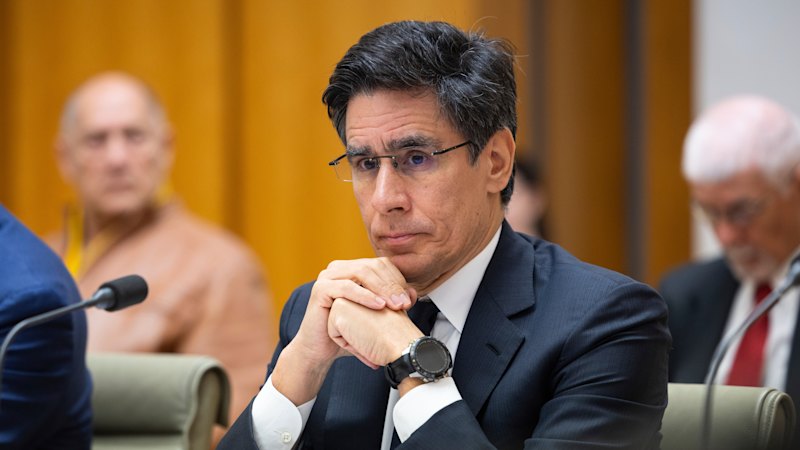
ANZ Bank's CEO, Nuno Matos, has issued a stark warning about the economic risks posed by the ongoing conflict in Iran, emphasizing that the crisis is still in its early stages.
Matos, who leads Australia's most internationally engaged bank, highlighted that the conflict's repercussions are already being felt by households through increased transport costs, which in turn are affecting discretionary spending. This situation underscores the interconnectedness of global events and their direct impact on consumer behavior and economic stability.
Matos's comments come as the conflict in the Middle East continues to escalate, with significant implications for global markets. The ANZ CEO pointed out that the bank's international presence gives it a unique vantage point to observe these developments and their potential long-term effects on the economy.
As transport costs rise, households are finding themselves with less disposable income for non-essential purchases, a trend that could have broader economic ramifications if the conflict persists.
The warning from ANZ reflects broader concerns within the financial sector about the potential for prolonged instability in the region to disrupt global supply chains and economic growth.
The bank's position as a major player in the international market means it is particularly sensitive to shifts in global economic conditions, and Matos's remarks highlight the need for vigilance and preparedness in the face of geopolitical uncertainties.
While the immediate effects are being felt in terms of consumer spending, the longer-term impacts could include shifts in investment strategies and financial planning as businesses and individuals adjust to the new economic landscape.
The situation in Iran is a reminder of how quickly geopolitical events can influence economic conditions, and the importance of strategic foresight in navigating these challenges. As the conflict continues, stakeholders across various sectors will need to monitor developments closely and consider the potential implications for their operations and financial health.
The insights from ANZ's leadership serve as a crucial reminder of the interconnected nature of today's global economy and the need for adaptive strategies in uncertain times.
- Australian households are facing increased transport costs, reducing their ability to spend on non-essential goods, which could slow economic growth.
- ANZ Bank, with its international reach, is particularly vulnerable to global economic shifts caused by the Iran conflict, affecting its operations and profitability.
- The ongoing conflict in Iran could lead to broader economic instability, impacting global supply chains and financial markets.
- Whether ANZ Bank adjusts its financial forecasts in response to the ongoing conflict.
- Potential changes in consumer spending patterns as transport costs continue to rise.
- Developments in the Iran conflict that could further impact global economic conditions.
- No source mentions the specific economic measures ANZ might take in response to the conflict.
- The potential impact on global oil prices and how it might affect transport costs is not discussed.