
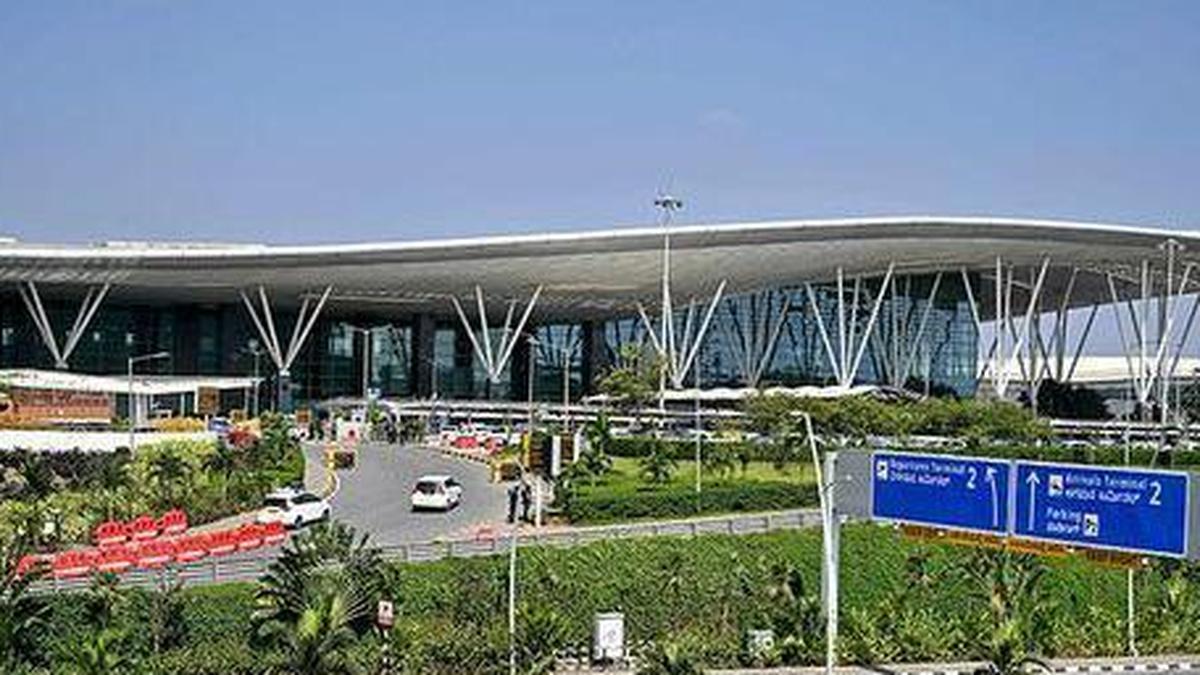
Many airlines are not launching new routes due to surge in oil prices: BIAL MD and CEO
Topic: energyRegion: asia pacificUpdated: i1 outletsSources: 1Spectrum: Center Only⏱ 4 min read⚠ 3d+ old
Story Summary
SITUATION
Rising oil prices are prompting many airlines to halt new route launches, significantly impacting air travel expansion in the Asia Pacific region. This trend poses challenges for airports like Kempegowda International, which are already feeling the effects of geopolitical tensions.
Coveragetap to expand ▾Spectrum: Center Only🌍Asia: 1
Political Spectrum
Position is inferred from coverage mix.
i1 outlets · Center
Left
Center
Right
Left: 0
Center: 1
Right: 0
Geography Coverage
Distribution of where coverage is coming from.
i1 unique outlets · Dominant: Asia
KEY FACTS
- The Kempegowda International Airport (KIA), which has already felt the impact of the West Asia conflict, will have to brace for the surge in oil prices in the days to come.
- The escalation of oil prices has resulted in airlines not launching new routes.
- “The biggest significant impact it (West Asia conflict) has had is that the crisis has resulted in a massive escalation of oil prices.
- As a result, many airlines are cancelling routes or not launching new routes,” Hari Marar, managing director and chief executive officer, Bangalore International Airport Limited (BIAL), told The Hindu.
HISTORICAL CONTEXT
The recent surge in oil prices, significantly influenced by the ongoing conflict in West Asia, has created a challenging environment for airlines operating in the Asia Pacific region.
The conflict, which escalated in October 2023 following a series of violent exchanges between Israel and Hamas, has led to heightened geopolitical tensions and instability in oil-producing nations. This situation has resulted in a sharp increase in crude oil prices, which reached levels not seen since mid-2022, with Brent crude exceeding $100 per barrel.
Brief
The rising cost of oil is prompting many airlines to halt new route launches, as reported by Hari Marar, managing director and chief executive officer of Bangalore International Airport Limited (BIAL). Marar emphasized that the ongoing conflict in West Asia has significantly contributed to the surge in oil prices, which is a critical factor in airline operational costs.
As fuel prices escalate, airlines are facing increased pressure on their profitability, leading to route cancellations and delays in launching new services. The Kempegowda International Airport (KIA) is already experiencing the repercussions of these developments, as airlines adjust their strategies in response to the volatile fuel market.
Marar's comments highlight the broader implications of geopolitical tensions on the aviation industry, particularly in regions directly affected by conflict. The situation underscores the interconnectedness of global events and their impact on local economies, particularly in sectors heavily reliant on fuel costs.
As airlines navigate these challenges, the future of air travel routes remains uncertain, with many companies reevaluating their expansion plans amid rising operational costs.
Why it matters
- The surge in oil prices, exacerbated by the West Asia conflict, is forcing airlines to reconsider their expansion plans, directly impacting travelers and the aviation industry.
- As airlines cancel or delay new routes, passengers may face limited travel options and increased fares, while airports like Kempegowda International may experience reduced passenger traffic and revenue.
- This situation not only affects the airlines and airports financially but also hampers economic growth in the region, as connectivity is crucial for tourism and business development.
What to watch next
- Watch for announcements from major airlines like Singapore Airlines and Qantas regarding any potential route cancellations or adjustments in response to rising oil prices, expected within the next week.
- Keep an eye on the International Air Transport Association (IATA) as they may release a statement within 72 hours addressing the impact of fuel costs on the airline industry and potential strategies to mitigate these effects.
- Monitor the actions of the Asia-Pacific Economic Cooperation (APEC) as they prepare for discussions on energy sustainability and its impact on transportation, scheduled for the upcoming summit in June.
- Anticipate updates from the International Energy Agency (IEA) regarding global oil supply forecasts, which could influence airline decisions, expected in their next quarterly report.
- Look for potential policy responses from governments in the Asia-Pacific region, particularly Australia and India, regarding subsidies or support for airlines facing increased operational costs, likely to be discussed in the next month.
Sources
1 of 1 linked articles