
Australia Plans Fuel Reserve Amid Strait of Hormuz Blockade Concerns
Topic: geopoliticsRegion: Middle EastUpdated: i3 outletsSources: 7Spectrum: Mostly CenterFiltered: Global (0/6)· Clear⏱ 2 min read⚠ 3d+ old
Story Summary
SITUATION
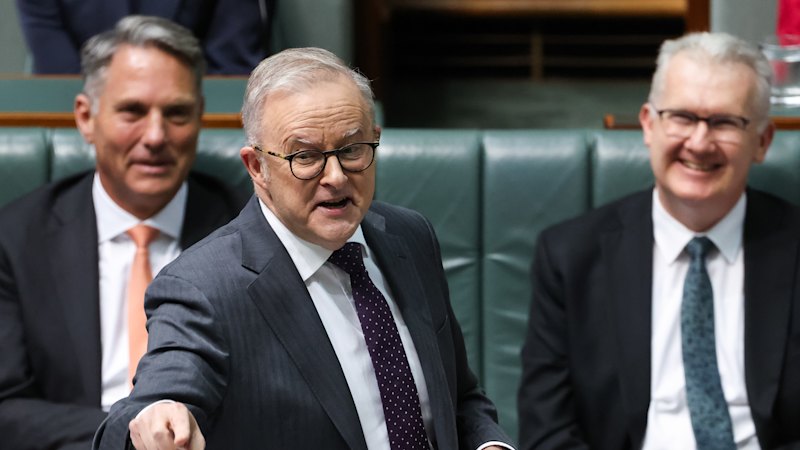
Amid concerns over the blockade in the Strait of Hormuz, Australian Prime Minister Anthony Albanese announced a $7.22 billion plan to bolster national fuel reserves. This initiative aims to address regional shortages and ensure supply for essential users during emergencies.
Coveragetap to expand ▾Spectrum: Mostly Center🌍Other: 3 · ME: 2 · Asia: 1
Political Spectrum
Position is inferred from coverage mix.
i3 outlets · Center
Left
Center
Right
Left: 2
Center: 4
Right: 0
Geography Coverage
Distribution of where coverage is coming from.
i3 unique outlets · Dominant: Global
KEY FACTS
- Australian Prime Minister Anthony Albanese announced a 10 billion Australian dollar ($7.22 billion) package to enhance the country's fuel security (per middleeasteye.net).
- The initiative is a response to the ongoing blockade in the Strait of Hormuz, which has strained oil and gas supplies (per middleeasteye.net).
- The reserve will focus on addressing regional shortages and ensuring supply for essential users during emergencies (per middleeasteye.net).
HISTORICAL CONTEXT
This development falls within the broader context of Geopolitics activity in Middle East. Current reporting indicates: Australian Prime Minister Anthony Albanese has announced a 10 billion Australian dollar ($7.22bn) package to strengthen the country’s fuel security by boosting national stockpiles and creating a government-owned reserve.
Australia imports about 80 percent of its fuel and has faced localised shortages as oil and gas supplies remain strained by the blockade in the Strait of Hormuz. This context is based on the currently available source text and may be refined as fuller reporting becomes available.
Brief
In response to the ongoing blockade in the Strait of Hormuz, Australian Prime Minister Anthony Albanese has unveiled a comprehensive plan to fortify the nation's fuel security. The $7.22 billion initiative aims to establish a government-owned reserve of approximately 1 billion litres of fuel.
This strategic move is designed to mitigate the impact of regional shortages and ensure that essential users have access to necessary supplies during emergencies. Australia's heavy reliance on imported fuel, with about 80 percent coming from overseas, underscores the urgency of this plan.
The blockade in the Strait of Hormuz has exacerbated supply constraints, prompting the Australian government to take decisive action to safeguard its energy needs. Albanese's announcement highlights the critical importance of maintaining a robust fuel reserve in the face of geopolitical tensions that threaten supply chains.
By focusing on regional shortages, the plan seeks to provide a buffer against potential disruptions that could affect the country's economy and essential services. The decision to bolster fuel reserves reflects a proactive approach to national security and energy independence.
As global tensions continue to impact oil and gas supplies, Australia is positioning itself to better withstand external shocks and maintain stability in its energy sector. This initiative not only addresses immediate concerns but also sets a precedent for future strategies aimed at enhancing resilience in critical infrastructure.
By investing in a substantial fuel reserve, Australia is taking a significant step towards ensuring that its energy needs are met, even in the face of international challenges. The government's commitment to securing fuel supplies is a clear indication of the priority placed on energy security in the current geopolitical climate.
As the situation in the Strait of Hormuz evolves, Australia's preparedness will be crucial in maintaining economic stability and protecting essential services.
Why it matters
- Australian consumers and businesses bear the concrete costs of fuel shortages due to the Strait of Hormuz blockade, impacting economic stability and essential services.
- The Australian government benefits from increased energy security and reduced vulnerability to international supply disruptions by establishing a national fuel reserve.
- Essential service providers in Australia gain assurance of continued operations during emergencies, thanks to the planned fuel stockpile.
What to watch next
- Whether the Australian government successfully establishes the 1 billion litre fuel reserve by the end of the fiscal year.
- The impact of the Strait of Hormuz blockade on global oil prices and Australia's import costs.
- Potential responses from other countries reliant on the Strait of Hormuz for oil and gas supplies.
Where sources differ
1 dimensionOmitted context
?- No source mentions the specific geopolitical tensions leading to the blockade in the Strait of Hormuz.
- The economic impact on Australian industries reliant on fuel imports is not detailed.
- Potential international diplomatic efforts to resolve the blockade are not discussed.
Sources
0 of 6 linked articles · Filter: Global