
Iran's Jellyfish Drone Tactics Deceive US Fighter Pilots Amid Military Tensions
Topic: defense & securityRegion: Middle EastUpdated: i2 outletsSources: 2Spectrum: Center OnlyFiltered: Global (0/2)· Clear⏱ 4 min read
Story Summary
SITUATION
A US fighter pilot reported being deceived by a formation of Iranian drones during the ongoing conflict, leading to the downing of his aircraft. This incident raises concerns about Iran's drone capabilities and potential technological support from China and Russia.
Coveragetap to expand ▾Spectrum: Center Only🌍Asia: 1 · Other: 1
Political Spectrum
Position is inferred from coverage mix.
i2 outlets · Center
Left
Center
Right
Left: 0
Center: 2
Right: 0
Geography Coverage
Distribution of where coverage is coming from.
i2 unique outlets · Dominant: Asia
KEY FACTS
- ‘Alien stuff’: How Iran’s ‘jellyfish drone’ formation fooled US jets — do China & Russia have it?
- ‘Alien stuff’: How Iran’s ‘jellyfish drone’ formation fooled US jets — do China & Russia have it? ‘Real alien stuff’: How Iran’s ‘jellyfish drone’ formation fooled US fighter jets — and do China and Russia have it too?
HISTORICAL CONTEXT
The ongoing military conflict between the United States, Israel, and Iran has reached a critical point since March 2026, when the US and Israel launched coordinated military strikes against Iranian military infrastructure, including power plants and air defenses.
This campaign was initiated in response to a series of escalating tensions and military provocations from Iran, which had been reacting to previous Israeli strikes and the broader geopolitical landscape.
Brief
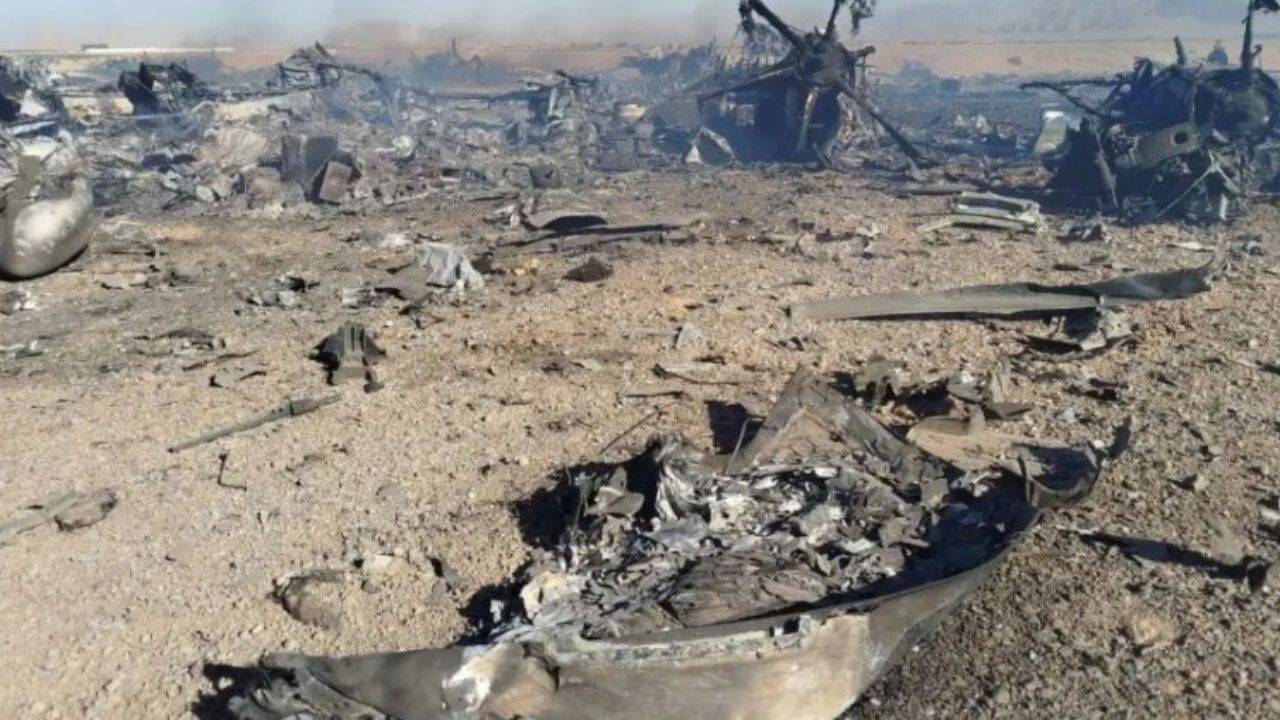
In a striking revelation, a US fighter pilot has recounted how a formation of Iranian drones, described as 'alien stuff', deceived him moments before his F-15E Strike Eagle was shot down during the ongoing conflict in Iran.
This incident raises significant concerns regarding the capabilities of Iran's drone warfare program and suggests that Tehran may be leveraging advanced technologies potentially sourced from China and Russia.
The pilot's experience, shared during intelligence debriefings after his rescue, indicates that multiple drones operated in a synchronized manner, presenting a formidable challenge to US aerial operations. As the US military continues to engage in hostilities with Iran, the implications of such advanced drone tactics could reshape aerial combat dynamics.
The US has been vigilant in monitoring Iran's military advancements, particularly in unmanned aerial vehicles, as tensions escalate in the region. This incident not only highlights the sophistication of Iran's drone capabilities but also raises questions about the potential for foreign technological support, complicating the already tense military landscape.
The evolving nature of warfare, especially with the integration of advanced drone technologies, underscores the need for the US to adapt its strategies in response to these emerging threats.
Sources
0 of 2 linked articles · Filter: Global