
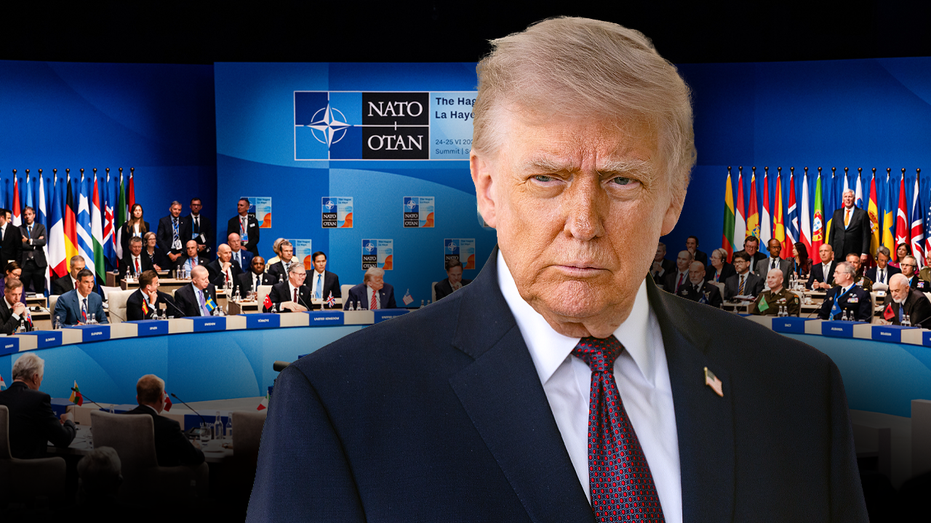
Trump Pressures NATO to Increase Defense Spending Amid Military Gaps
Topic: defense & securityRegion: North AmericaUpdated: i1 outletsSources: 2Spectrum: Right OnlyFiltered: US/Canada (1/1)· Clear⏱ 5 min read
Story Summary
SITUATION
In a significant shift in NATO dynamics, President Trump is pressuring alliance members to increase their defense spending, highlighting a growing military gap between the United States and its European allies. This demand comes amid rising security concerns in Europe, prompting NATO to accelerate efforts to enhance its military capabilities.
Coveragetap to expand ▾Spectrum: Right Only🌍US: 1
Political Spectrum
Position is inferred from coverage mix.
i1 outlets · Right
Left
Center
Right
Left: 0
Center: 0
Right: 1
KEY FACTS
- Trump is forcing NATO allies to pay more for their defense commitments (per news.google.com).
- NATO is actively working to close the military gap with the United States (per news.google.com).
- NATO members are under pressure to meet the defense spending target of 2% of GDP (per news.google.com).
- The United States has been the largest contributor to NATO's budget (per news.google.com).
HISTORICAL CONTEXT
Brief
The alliance is striving to meet the defense spending target of 2% of GDP, a benchmark that many member states have struggled to achieve. Trump's insistence on greater financial contributions from NATO allies reflects a broader strategy to ensure that the United States does not bear an unequal share of the defense burden.
As NATO members respond to these pressures, the implications for transatlantic relations and collective security are profound. The United States has historically been the largest contributor to NATO's budget, and this new push could reshape the financial landscape of the alliance.
The urgency of these developments underscores the shifting geopolitical landscape and the need for NATO to adapt to emerging threats.
Why it matters
- European nations face increased military spending requirements, potentially straining their budgets and public services.
- The U.S. benefits from a stronger NATO alliance, which could lead to enhanced collective security and shared defense responsibilities.
- Increased defense spending may divert funds from other critical areas such as healthcare and education in NATO member states.
What to watch next
- Whether NATO members commit to increasing their defense budgets by the end of 2026.
- The outcome of discussions at the upcoming NATO summit regarding defense spending targets.
- Any specific announcements from individual NATO countries about their defense budget increases by mid-2026.
Where sources differ
1 dimensionSummary
?- {"framing":[],"numbers":[],"causality":[],"attribution":[],"omitted_context":[],"disputed_or_unclear":[],"notable_quotes_or_claims":[]}
Sources
1 of 1 linked articles · Filter: US/Canada