
Middle Powers Adapt Economic Diplomacy Amid Global Shifts
Topic: geopoliticsRegion: asia pacificUpdated: i3 outletsSources: 3Spectrum: Mostly Center⏱ 4 min read📡 Wire pickup⚠ 3d+ old
Story Summary
SITUATION
As global dynamics shift, middle powers are evolving their economic diplomacy strategies to address new challenges. This adaptation reflects a departure from previous assumptions about international cooperation and development (per Japan Times).
Coveragetap to expand ▾Spectrum: Mostly Center🌍Asia: 2 · Other: 1
Political Spectrum
Position is inferred from coverage mix.
i3 outlets · Center
Left
Center
Right
Left: 1
Center: 2
Right: 0
Geography Coverage
Distribution of where coverage is coming from.
i3 unique outlets · Dominant: Asia
KEY FACTS
- The middle-powers playbook is evolving as the global context evolves (per Japan Times).
- For decades, global development efforts were guided by a shared commitment to helping poorer countries prosper, but that era is over (per Japan Times).
- The changing geopolitical landscape is prompting middle powers to reassess their roles and strategies in international relations (per Japan Times).
- India and ASEAN leaders are actively engaging in economic diplomacy to navigate these tumultuous times (per Japan Times).
- The shift in economic diplomacy is a response to rising tensions and competition among major powers (per Japan Times).
- Middle powers are increasingly seeking to leverage their unique positions to foster regional cooperation and stability (per Japan Times).
HISTORICAL CONTEXT
In recent years, the geopolitical landscape of the Asia Pacific region has undergone significant transformations, particularly in the realm of economic diplomacy. The immediate backdrop to the current state of affairs can be traced to the COVID-19 pandemic, which began in late 2019 and led to widespread economic disruptions across the globe.
By 2020, countries in the Asia Pacific faced unprecedented challenges, including supply chain disruptions, rising unemployment, and increased poverty levels. The pandemic exposed vulnerabilities in global economic interdependence and prompted nations to reassess their economic strategies and diplomatic relationships.
Brief
In a rapidly changing global landscape, middle powers are reevaluating their economic diplomacy strategies to better navigate emerging challenges. The historical reliance on a shared commitment to development is being replaced by a more pragmatic approach, as exemplified by the recent engagements between India and ASEAN leaders.
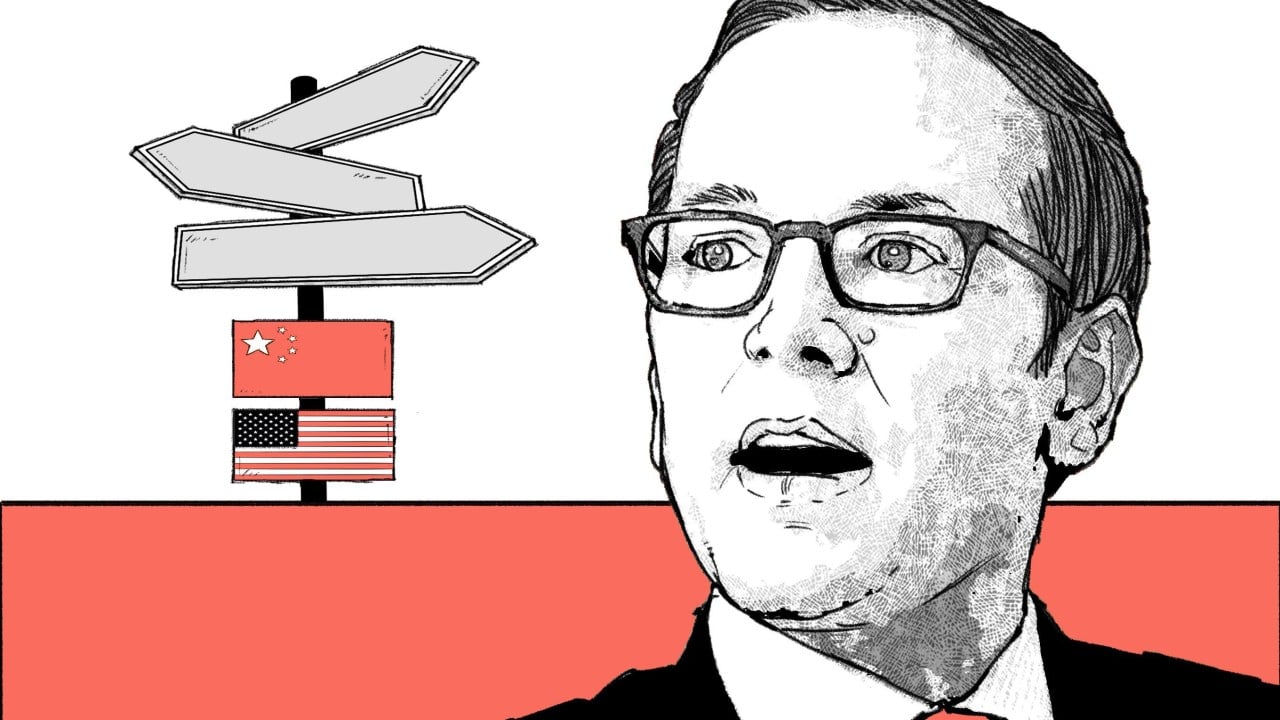
This shift is largely in response to the perceived instability in China-US relations, with experts warning that such stability may not endure. As tensions rise among major powers, middle powers are recognizing the need to assert their influence and foster regional cooperation.
The evolving dynamics compel these nations to adapt their strategies, focusing on collaboration that addresses both economic and geopolitical concerns. This adaptation signifies a significant transformation in how middle powers engage on the global stage, moving away from traditional frameworks towards more flexible and responsive diplomatic efforts.
Why it matters
- Middle powers like India and ASEAN nations are adapting their economic strategies to mitigate the impacts of shifting global power dynamics, which could affect their development prospects.
- The potential decline of China-US stability may lead to increased economic uncertainty for countries reliant on these major economies for trade and investment.
- The evolution of economic diplomacy among middle powers could reshape regional alliances and influence global economic policies, impacting poorer nations seeking development assistance.
What to watch next
- Whether India and ASEAN leaders finalize new economic agreements by the end of 2026.
- Any significant shifts in China-US relations following upcoming diplomatic meetings.
- The outcomes of regional summits focused on economic cooperation among middle powers in 2026.
Where sources differ
2 dimensionsFraming differences
?- The Japan Times emphasizes the proactive role of middle powers in adapting their strategies, while the South China Morning Post focuses on the instability of China-US relations.
Omitted context
?- No source mentions specific examples of past economic cooperation that are now being reassessed by middle powers.
Sources
3 of 3 linked articles