
Australia Prepares to Charge Returning ISIS
Coveragetap to expand ▾Spectrum: Mixed🌍Europe: 1 · Asia: 1
- ISIS-linked women are expected to be charged upon their return to Australia from the Middle East (per smh.com.au).
- The women are part of families linked to ISIS who are arriving in Australia today (per smh.com.au).
- The return of these families is part of a broader repatriation effort by the Australian government (per smh.com.au).
- Australian authorities have been preparing legal proceedings against these individuals (per smh.com.au).
- The repatriation and potential charges are part of ongoing efforts to address security concerns related to ISIS-linked individuals (per smh.com.au).
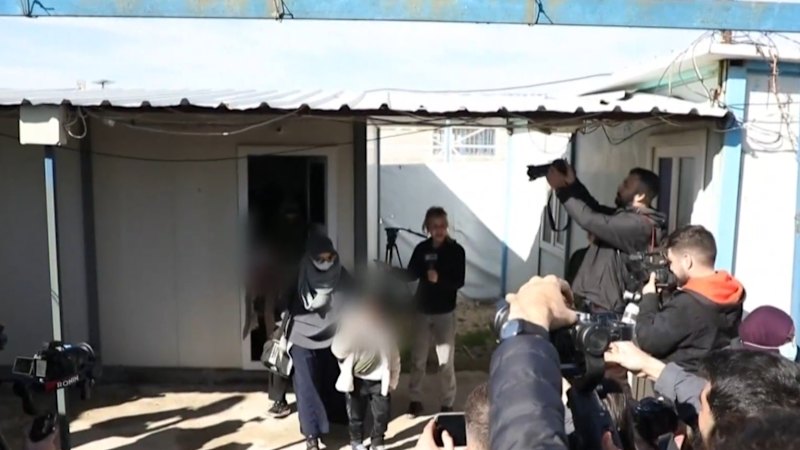
Australia is set to charge women linked to ISIS as they return from the Middle East, marking a pivotal moment in the country's approach to handling individuals associated with the terrorist organization. These women, part of families linked to ISIS, are arriving in Australia today as part of a broader repatriation effort by the Australian government.
The move to bring them back and potentially charge them underscores the complex legal and security challenges faced by authorities in dealing with citizens who have been involved with or lived under ISIS control. The Australian government has been preparing for this moment, with legal proceedings anticipated to follow the women's arrival.
This development is part of a larger strategy to manage security risks posed by individuals returning from conflict zones, particularly those with ties to extremist groups. The decision to repatriate and charge these women reflects a commitment to addressing potential threats while also adhering to legal and humanitarian obligations.
The return of these families is not without controversy, as it raises questions about the balance between national security and the rights of citizens. Critics of the repatriation effort argue that bringing back individuals with ISIS links could pose a security risk, while proponents emphasize the importance of due process and rehabilitation.
This situation highlights the broader challenges faced by countries dealing with citizens who have been involved with or influenced by extremist groups.
As these women return, Australian authorities will need to navigate the legal complexities of charging individuals for their alleged involvement with ISIS, while also considering the broader implications for national security and community safety. The outcome of these legal proceedings could set a precedent for how Australia and other nations handle similar cases in the future.
As the world continues to grapple with the aftermath of ISIS's influence, the actions taken by Australian authorities will be closely watched by other countries facing similar dilemmas.
- Australian citizens bear the concrete costs as the government allocates resources to manage the security and legal challenges posed by returning ISIS-linked individuals.
- The Australian government benefits by demonstrating a commitment to national security and legal accountability, potentially strengthening public trust in its handling of terrorism-related issues.
- Communities in Australia face potential security risks, highlighting the importance of effective legal and rehabilitation processes for returning individuals.
- Whether Australian authorities successfully charge the returning women linked to ISIS.
- The legal proceedings and potential outcomes for the ISIS-linked women in Australia.
- The broader impact of this repatriation effort on Australia's national security policies.
- No significant framing differences noted as only one source is provided.
- No disputed or unclear facts noted as only one source is provided.
- No source mentions the specific legal charges or potential penalties the women might face upon their return.
- No differing figures noted as only one source is provided.
- No causality disagreements noted as only one source is provided.
- No differing attributions noted as only one source is provided.