
The firefighting foam containing PFAS was effective against fuel fires.
Coveragetap to expand ▾Spectrum: Center Only🌍US: 1 · Asia: 1 · Other: 1
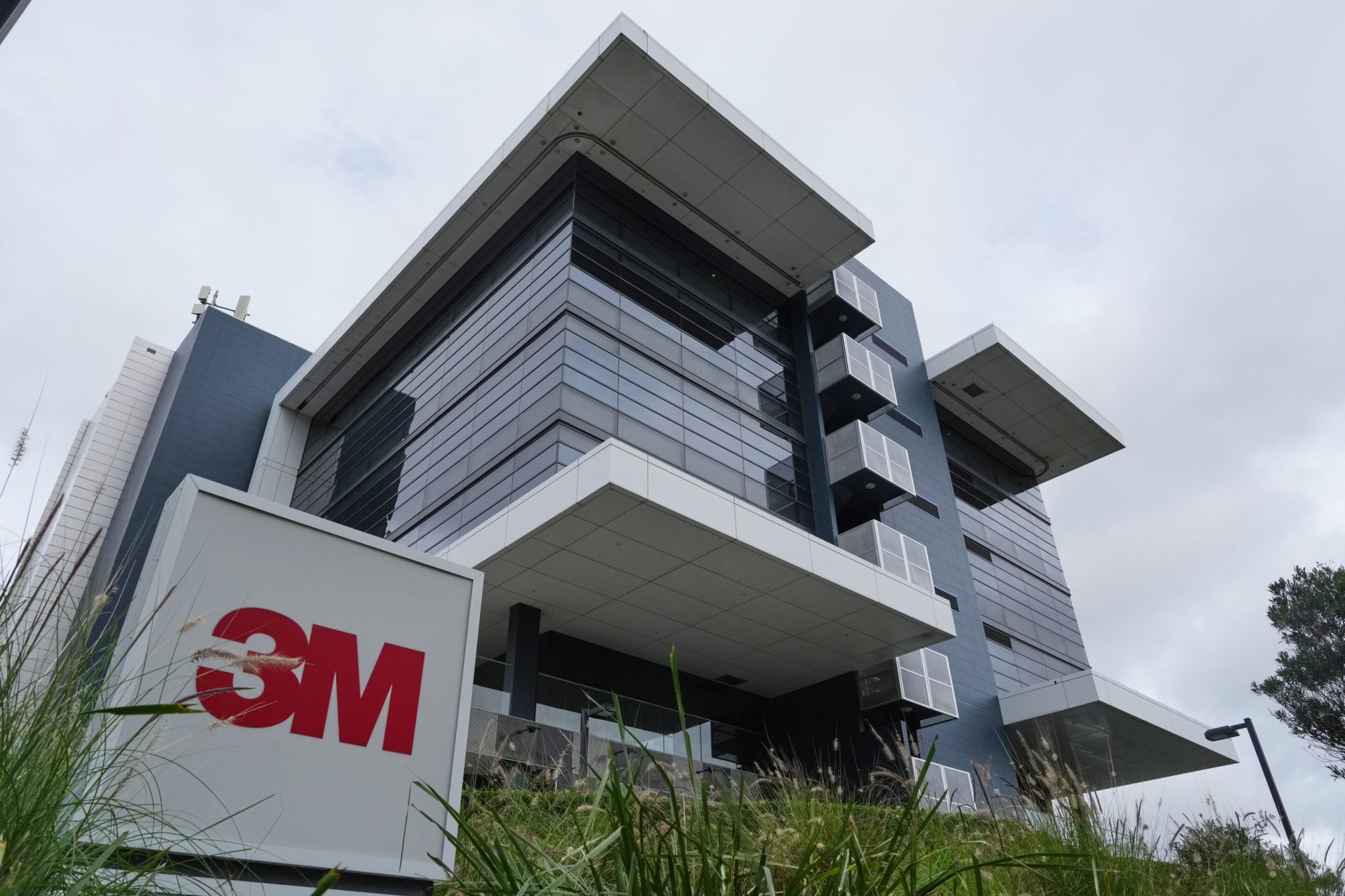
- conglomerate 3M for more than 2 billion Australian dollars ($1.4 billion) over so-called “forever chemical” contamination from firefighting foam at defense bases, the government said on Thursday.
- Human-made PFAS are commonly referred to as “forever chemicals” because they don’t break down naturally.
- “3M has never manufactured PFAS in Australia and ceased sales of the products at issue in Australia around two decades ago,” 3M said in a statement.
- The Australian Defense Department warned residents near its Richmond Air Base outside Sydney in 2018 to reduce their consumption of locally produced fish and eggs, after PFAS was found in nearby groundwater.
Australia has filed a significant lawsuit against 3M, seeking 2 billion Australian dollars ($1.43 billion) in damages due to contamination from firefighting foam containing per- and polyfluoroalkyl substances (PFAS) at military bases.
The Australian government, represented by Assistant Minister for Defence Peter Khalil, announced that the legal action targets contamination at 28 military sites, highlighting the serious environmental and health risks posed by these 'forever chemicals'.
PFAS are notorious for their persistence in the environment and the human body, leading to increasing scrutiny and legal challenges against manufacturers. This lawsuit underscores a growing trend where governments and organizations worldwide are holding companies accountable for environmental damage linked to PFAS.
The Australian government's move comes amid rising public concern regarding the long-term effects of PFAS exposure, which has been associated with various health issues. As the legal proceedings unfold, the outcome may set a precedent for similar cases globally, reflecting a shift towards greater accountability for environmental contamination.
- The contamination of defense bases with PFAS has direct implications for local communities, particularly those near Richmond Air Base, who have been advised to limit their consumption of fish and eggs due to health risks.
- This situation not only raises concerns about public health but also poses economic challenges for local fishermen and farmers, potentially impacting their livelihoods.
- Additionally, the significant financial settlement with 3M underscores the growing accountability for environmental damage, which may lead to stricter regulations on chemical usage in firefighting and other industries in the region.
- The Australian Department of Defence is expected to announce new guidelines on the use of firefighting foam containing PFAS within the next 72 hours, following recent effectiveness evaluations against fuel fires.
- Japan's Ministry of Defense is set to review its procurement policies for firefighting materials by the end of the month, potentially impacting future contracts with suppliers of PFAS-containing products.
- South Korea's National Fire Agency will hold a press conference next week to discuss the implications of PFAS in firefighting foam, including potential regulatory changes.
- The United States military is anticipated to release a report on the environmental impact of PFAS in firefighting foam before the June summit, which could influence international defense collaborations in the Asia Pacific region.
- A coalition of environmental NGOs plans to submit a petition to the Australian government within the next two weeks, urging stricter regulations on PFAS use in firefighting applications.