
Fourth Woman Linked to ISIS Returns to Australia Without Charges
Topic: generalRegion: AsiaUpdated: i2 outletsSources: 8Spectrum: Mostly CenterFiltered: Global (0/8)· Clear⏱ 4 min read📡 Wire pickup⚠ 3d+ old
Story Summary
SITUATION
After four women and nine children linked to Islamic State returned from Syria, Australian Federal Police prepared to arrest them upon arrival. Home Affairs Minister Tony Burke confirmed their identities and the charges they face (per SMH).
Coveragetap to expand ▾Spectrum: Mostly Center🌍Other: 4 · US: 2 · Europe: 1 · Asia: 1
Political Spectrum
Position is inferred from coverage mix.
i2 outlets · Center
Left
Center
Right
Left: 2
Center: 6
Right: 0
Geography Coverage
Distribution of where coverage is coming from.
i2 unique outlets · Dominant: Global
KEY FACTS
- The fourth woman is living in the community without being charged (per smh.com.au).
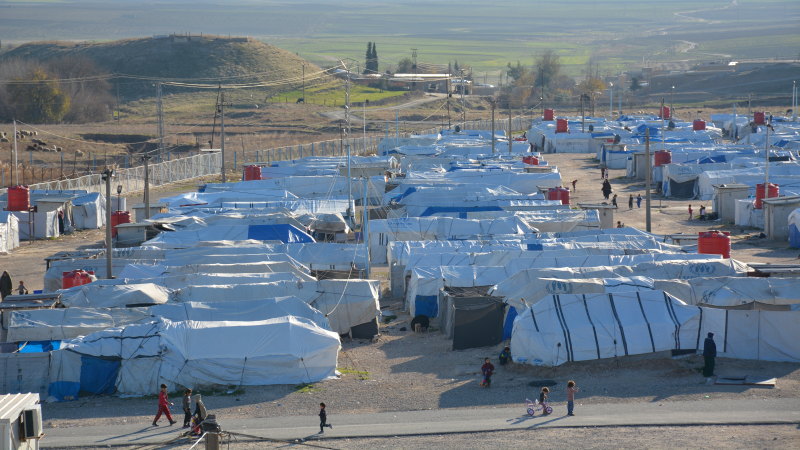
- Seven women and 14 children linked to Islamic State have left the al-Roj camp in Syria and are on their way back to Australia (per smh.com.au).
- The Australian government has charged some women linked to ISIS after their return from Syria (per news.google.com).
- It remains unclear when the women and children will arrive in Australia (per smh.com.au).
HISTORICAL CONTEXT
The decision by Australian authorities to arrest women linked to the Islamic State (IS) upon their return from Syria is a significant development in the country's ongoing efforts to address the complexities of foreign fighters and their families.
This move is rooted in a broader historical context of Australia's counter-terrorism policies and its involvement in international efforts to combat IS.
Brief
The Australian government has permitted a fourth woman linked to ISIS to return from Syria without facing any charges, a notable decision amid ongoing scrutiny of those returning from conflict zones. This woman is part of a group of seven women and 14 children who have left the al-Roj camp in Syria, where they had been held, and are now en route to Australia.
Camp director Haval Rashid confirmed that these individuals are moving towards Damascus, where they will be met by representatives of their Australian supporters. While five of the women and seven children are expected to return to Sydney, two women and seven children are anticipated to go to Melbourne.
This situation follows the return of another group on May 7, during which three women were arrested upon arrival. The Australian government has charged some women linked to ISIS after their return, but the specifics of these charges remain unclear.
The decision to allow the fourth woman to return without charges raises questions about the criteria used by authorities in handling individuals associated with ISIS, especially given the serious implications of their past affiliations.
Why it matters
- The decision to allow the fourth woman to return without charges may set a precedent for future cases involving individuals linked to ISIS, impacting community safety and legal standards.
- The return of these women and children could strain local resources and services in Sydney and Melbourne, particularly in terms of social integration and support systems.
- The Australian government's approach to handling ISIS affiliates may influence public perception and trust in national security policies, especially among communities affected by terrorism.
What to watch next
- Whether the Australian government will provide further details on the charges against the women who were arrested upon their return by the end of May.
- The timeline for the arrival of the seven women and 14 children back in Australia, expected soon.
- Any public statements from community leaders or government officials regarding the reintegration of these individuals into Australian society.
Where sources differ
1 dimensionSummary
?- {"framing":[],"numbers":[],"causality":[],"attribution":[],"omitted_context":[],"disputed_or_unclear":[],"notable_quotes_or_claims":[]}
Sources
0 of 8 linked articles · Filter: Global