
German-Dutch corps to lead NATO land forces in Estonia and Latvia
Coveragetap to expand ▾Spectrum: Mixed🌍US: 1 · Asia: 1
- A military official told Reuters this week that the change would allow NATO to bring in "mass at speed", addressing the region's limited strategic depth and vulnerability.
- Dutch Defence Minister Dilan Yeşilgoz said 1GNC had "thoroughly prepared" for its new role, citing a visit to the corps in March.
- The move follows agreements reached at the 2025 NATO summit in The Hague and builds on the NATO Force Model introduced at the Vilnius summit in 2023, which aimed at deploying more forces within shorter response times.
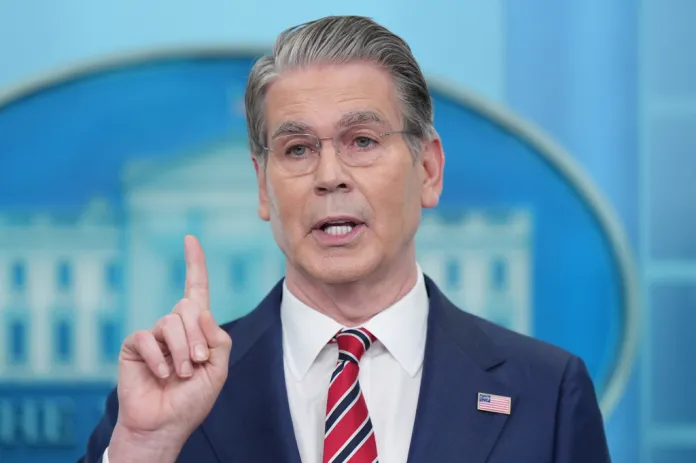
Treasury Secretary Scott Bessent is set to lead a White House press briefing, stepping in for press secretary Karoline Leavitt, who is currently on maternity leave.
This event is particularly significant as it comes at a time when the Biden administration is grappling with multiple economic challenges, including the ongoing war in Iran, which has severely disrupted oil shipping through the Strait of Hormuz.
The conflict has resulted in soaring gas prices, prompting concerns about the cost of living for American families as the midterm elections approach. Bessent's appearance is expected to address these pressing issues, as well as the administration's strategies to mitigate the economic fallout from the war.
While the administration has faced criticism for its economic policies, Bessent's briefing will provide an opportunity for the government to clarify its position and outline potential solutions to the challenges posed by the conflict.
As the situation evolves, Bessent's responses could play a crucial role in shaping public perception and confidence in the administration's economic management.
- The decision to have the German-Dutch corps lead NATO land forces in Estonia and Latvia significantly enhances the alliance's rapid response capabilities in a region marked by geopolitical tensions.
- This shift directly impacts the security of Baltic states, which face heightened threats from neighboring Russia, as it allows for quicker troop deployment and a stronger deterrent posture.
- As a result, local populations can expect increased military presence and support, fostering a sense of security amid ongoing regional instability.
- Additionally, this move may encourage further military investments and cooperation among NATO allies, reinforcing collective defense commitments.
- NATO Secretary General Jens Stoltenberg is expected to address the alliance's strategic posture in Eastern Europe during a press conference within the next 48 hours, outlining future troop deployments and support measures.
- The German and Dutch defense ministers will meet with their Baltic counterparts before the end of the week to finalize logistics and operational plans for the upcoming deployment in Estonia and Latvia.
- The U.S. Congress is set to vote on additional funding for NATO operations in Eastern Europe within the next two weeks, which could impact troop levels and resources allocated to the region.
- The European Union is scheduled to discuss new sanctions against Russia at a summit next month, which may influence NATO's military strategy and readiness in the Baltic states.
- The Estonian and Latvian governments are expected to release joint statements on their defense cooperation initiatives by the end of the month, detailing their expectations from NATO forces.