
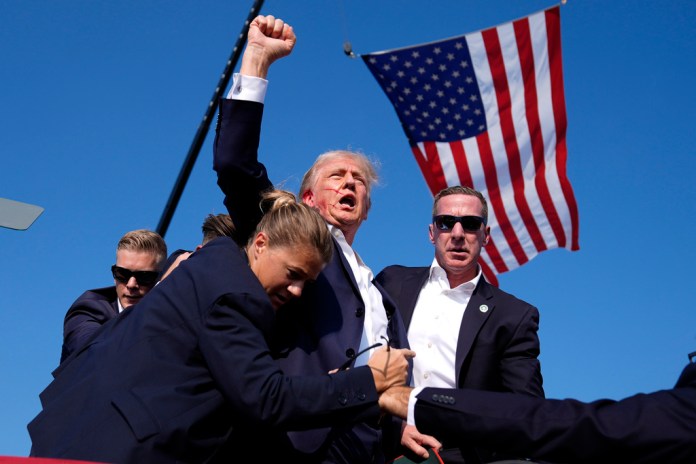
Butler Incident Exposes Secret Service Vulnerabilities Amid New Threats
Coveragetap to expand ▾Spectrum: Mixed🌍US: 2 · Other: 2
- FBI Docs Reveal Trump’s Would Be Assassin Contacted Butler Officials Before The Attack - AOL.com
- Butler exposed the Secret Service’s weaknesses, but new threats test whether lessons have been learned
- Both events demonstrate how the Secret Service’s challenge is no longer simply correcting the mistakes of Butler.
The attempted assassination of President Donald Trump in Butler, Pennsylvania, has brought to light critical vulnerabilities within the Secret Service, an agency traditionally viewed as a leader in protective services.
FBI documents reveal that the would-be assassin reached out to local officials before the attack, raising questions about the adequacy of preemptive measures in place. Following the incident, investigations pointed to significant communication breakdowns and coordination failures that allowed the gunman to open fire from a nearby rooftop.
In the wake of these revelations, the Secret Service has taken steps to reform its operations, establishing new intelligence units and enhancing its communication systems. However, officials warn that the current threat landscape is more volatile and unpredictable than ever, complicating the agency's efforts to safeguard the president.
While the Secret Service claims to have learned from the Butler incident, the effectiveness of these changes remains to be seen as new threats continue to emerge. The agency's challenge now extends beyond merely correcting past mistakes; it must also adapt to an evolving environment that poses unprecedented risks to national security.
Left- and right-leaning outlets are covering this story differently — in which facts to emphasize, which context to include, and how to frame causes and consequences.