
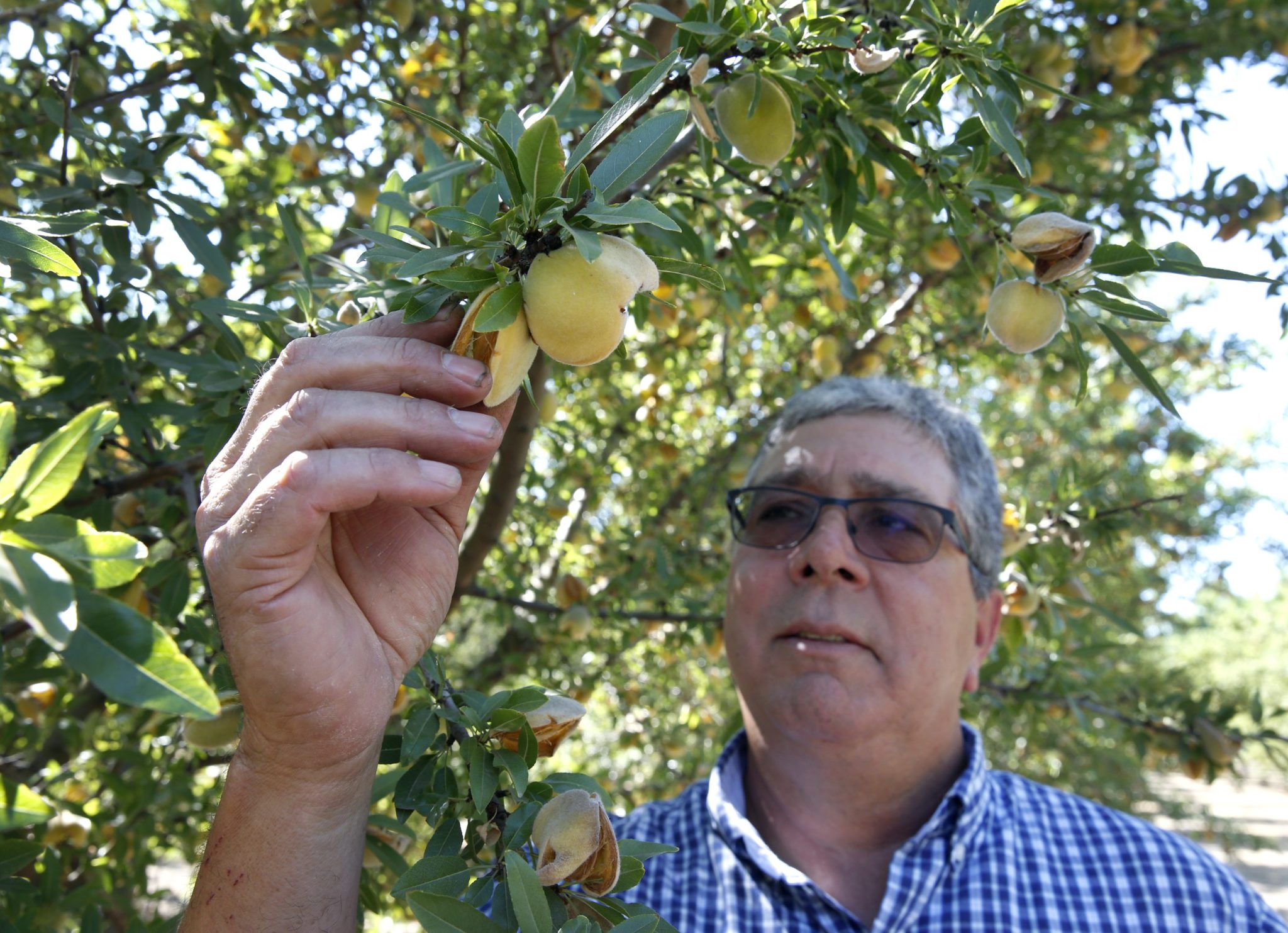
California farmers must destroy 420,000 peach trees after Del Monte closes its canneries and cancels more than $550 mill
Coveragetap to expand ▾Spectrum: Mostly Center🌍Other: 4 · Europe: 1
- The closure of the Modesto Del Monte plant, which processed 30% to 35% of California's cling peaches, has left farmers with a surplus of peaches and no buyer (per fortune.com).
- Farmers are now considering uprooting approximately 3,000 acres, or about 420,000 clingstone peach trees, to transition to other crops (per fortune.com).
- The California Farm Bureau President, Shannon Douglass, stated that funding offers hope for farmers to transition to new crops and remain on their land (per fortune.com).
- The closure of Del Monte's canneries has forced farmers to pivot to different crops to recoup losses (per fortune.com).
- The decision to destroy the peach trees is a direct consequence of the Del Monte canneries' closure earlier this year (per fortune.com).
The recent closure of Del Monte Foods' canneries has left California farmers in a precarious position, forcing them to destroy approximately 420,000 peach trees. This drastic measure comes after the company canceled over $550 million in long-term contracts, leaving farmers with a surplus of clingstone peaches and no market to sell them.
The Modesto plant, which processed a significant portion of the state's peaches, was a critical outlet for these farmers. Without it, they face the harsh reality of uprooting about 3,000 acres of peach trees. The closure has not only disrupted the local agricultural economy but has also pushed farmers to consider alternative crops to mitigate their losses.
Shannon Douglass, President of the California Farm Bureau, expressed that while the situation is devastating, there is a glimmer of hope through funding that could help farmers transition to new crops and maintain their livelihoods. This situation underscores the vulnerability of farmers who rely heavily on single buyers for their produce.
The sudden loss of a major processor like Del Monte has highlighted the need for diversification in agricultural markets to prevent similar crises in the future.
The impact of this closure is felt deeply across the farming community, as the loss of such a significant processing facility means that many farmers must now make difficult decisions about the future of their operations. The transition to other crops is not only a financial challenge but also a logistical one, requiring new investments and adjustments to farming practices.
As farmers navigate these changes, the broader agricultural sector in California will be watching closely to see how these shifts affect the state's economy and the availability of peaches in the market.
The situation also raises questions about the sustainability of relying on large corporations for agricultural processing and the potential benefits of developing more localized and diversified processing options.
In the coming months, the focus will be on how effectively farmers can adapt to these changes and what support mechanisms are put in place to assist them during this transition. The outcome will likely influence future agricultural policies and the structure of farming operations in California.
- California farmers bear the concrete costs as they are forced to destroy 420,000 peach trees, losing a significant portion of their income due to the closure of Del Monte's canneries.
- The closure benefits competitors or alternative crop markets as farmers pivot to different crops, potentially altering the agricultural landscape in California.
- The local economy in areas reliant on peach farming faces challenges as the sudden market change affects jobs and income stability.
- Whether California farmers successfully transition to new crops by the next planting season.
- Any new agricultural policies or support measures introduced by the California government to aid affected farmers.
- The impact on peach prices and availability in the market as a result of the reduced supply.
- The Independent emphasizes the destruction of peach trees as a direct consequence of Del Monte's collapse, while fortune.com highlights the financial impact and the need for farmers to pivot to other crops.
- No source mentions the specific reasons behind Del Monte's decision to close its canneries, which could provide insight into the broader economic or strategic factors at play.
- Shannon Douglass, President of the California Farm Bureau, stated that funding offers hope for farmers to transition to new crops and remain on their land (per fortune.com).