
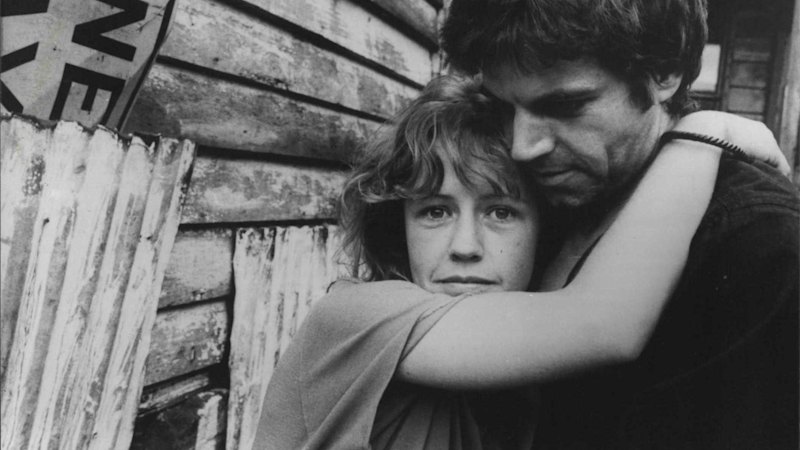
I got a commune instead When I was a kid, I wanted a dad who wore a suit.
Coveragetap to expand ▾Spectrum: Left Only🌍Asia: 1
- In the 1980s, a child in Geelong, Australia, expressed a desire for a traditional family structure.
- The child longed for a father who wore a suit and a mother with neat hair and legible handwriting.
- The child's siblings were given names consisting of four letters, contrasting with conventional names like Amelia or Rachel.
- The family lived in a commune, highlighting a divergence from the child's expectations of a typical upbringing.
- This experience reflects broader themes of unconventional parenting choices in the Asia Pacific region during that era.
In the 1980s, a child in Geelong grappled with the stark contrast between their dreams of a traditional family and the reality of life in a commune. The narrator longed for a father who donned a suit and cheered for footy, but instead, they were raised by a dad who embraced yoga and alternative music, creating a unique but isolating environment.
This upbringing, marked by unconventional choices, left the narrator feeling different from their peers, who enjoyed more typical family dynamics. The desire for a mother with neat hair and organized lunches further emphasized the longing for normalcy amidst the chaos of communal living.
The family's home, in disrepair and filled with eclectic influences, served as a backdrop to this internal conflict. Ultimately, the narrator's reflections reveal a poignant struggle between childhood aspirations and the realities of their upbringing, highlighting how communal life shaped their identity in ways they are still coming to terms with.
- The experience of growing up in a commune rather than a traditional family structure can profoundly affect children's mental health and social development.
- For those like the child in Geelong, the absence of conventional parental figures may lead to feelings of isolation or confusion about identity, impacting their future relationships and career choices.
- This narrative underscores the importance of understanding diverse family dynamics in the Asia Pacific region, as it highlights the need for tailored mental health support and community resources for children raised in non-traditional settings.
- Watch for the upcoming documentary release featuring interviews with former commune members, set to premiere within the next month, which will explore the impact of communal living on childhood development.
- Keep an eye on the regional health conference scheduled for next quarter, where experts will discuss the psychological effects of unconventional family structures on children.
- Anticipate a new study from a leading university in Australia, expected to be published in the next six weeks, examining the long-term outcomes of children raised in communal environments versus traditional family settings.
- Look for a panel discussion at the Asia Pacific Family Dynamics Summit in two months, where sociologists will debate the implications of alternative family structures on societal health.
- Monitor social media platforms for a series of live Q&A sessions with authors of upcoming books on parenting and communal living, starting next week, which will delve into the themes of childhood aspirations versus reality.