
China Condemns Japan's Missile Test in Philippines, Citing 'Neo-Militarism'
Coveragetap to expand ▾Spectrum: Mixed🌍Asia: 1 · Other: 1
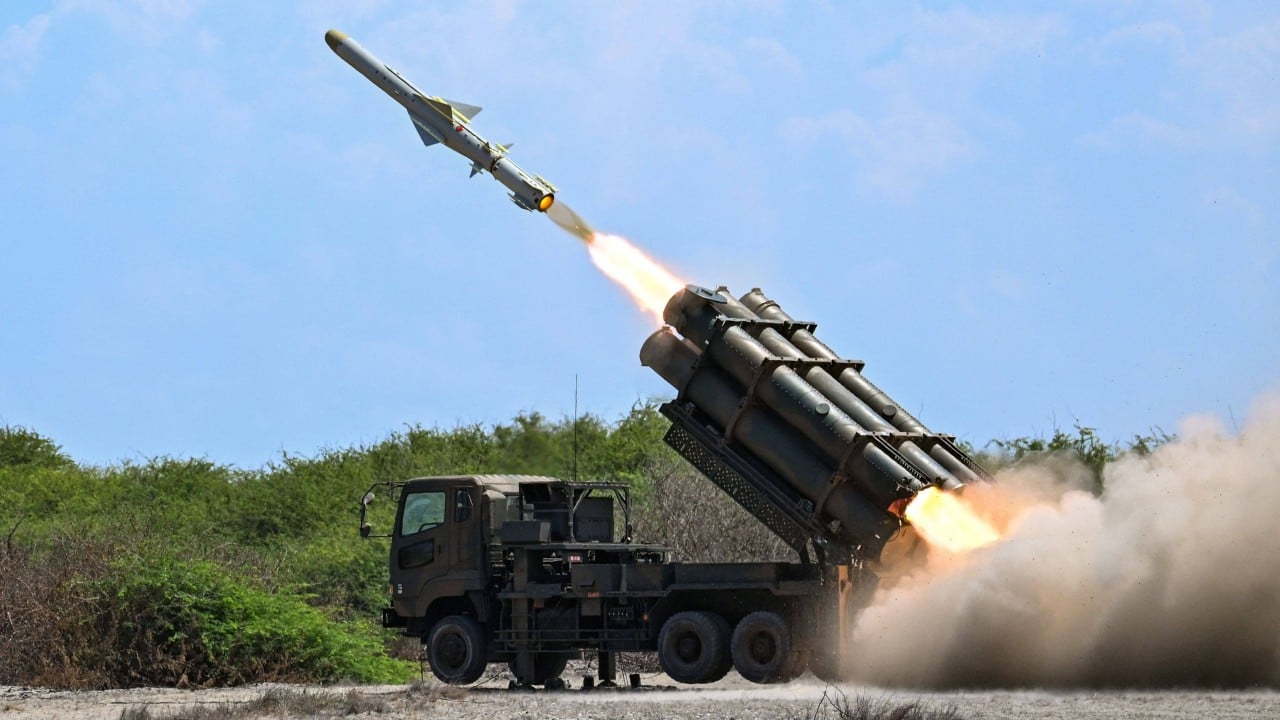
- Japanese forces fired a Type 88 surface-to-ship missile in the Philippines during the 'Balikatan 2026' joint drill led by the United States and the Philippines (per scmp.com).
- China condemned the missile test, labeling it Japan's first 'offensive missile' test overseas since World War II (per scmp.com).
- Chinese foreign ministry spokesman Lin Jian stated that the test marked a significant departure from Japan's post-war pacifist stance (per scmp.com).
- China accused Japan of 'neo-militarism' and claimed that the missile test intensified an arms race, threatening regional stability (per scmp.com).
- The 'Balikatan 2026' exercise is a joint military drill involving the United States, the Philippines, and Japan (per scmp.com).
- The Type 88 missile is a surface-to-ship missile used by Japan's Self-Defense Forces (per scmp.com).
In a significant development during the 'Balikatan 2026' joint military exercises, Japanese forces conducted a test of a Type 88 surface-to-ship missile in the Philippines. This event marks Japan's first overseas 'offensive missile' test since World War II, drawing sharp condemnation from China.
The Chinese government, through foreign ministry spokesman Lin Jian, criticized the test as a departure from Japan's post-war pacifist policies and accused Tokyo of engaging in 'neo-militarism' that could destabilize the region. China views this action as part of an intensified arms race that threatens regional peace.
The 'Balikatan 2026' exercise, a collaborative military drill involving the United States, the Philippines, and Japan, aims to enhance defense cooperation among the participating nations. The inclusion of Japan in these drills and its missile test have been contentious, particularly from China's perspective.
Chinese officials argue that Japan's actions are provocative and undermine regional security. In contrast, Philippine Defense Secretary Teodoro has defended Japan's participation and criticized China's reaction as vilification. Teodoro emphasized the importance of the drills for regional security and cooperation, suggesting that China's response was unwarranted.
The Type 88 missile, utilized by Japan's Self-Defense Forces, is designed for targeting ships and represents a significant capability in Japan's defense arsenal. The missile test in the Philippines is seen by some analysts as a strategic move to bolster Japan's defense posture amid growing regional tensions.
This development occurs in the context of broader geopolitical dynamics in the Asia-Pacific region, where military alliances and defense strategies are increasingly scrutinized. The United States' involvement in the drills underscores its commitment to regional allies and its strategic interests in countering perceived threats from China.
The situation highlights the complex interplay of military preparedness, regional alliances, and diplomatic tensions in the Asia-Pacific. As nations navigate these challenges, the implications of military exercises and tests like Japan's missile launch will continue to be a focal point for regional and global observers.
- The Chinese government perceives Japan's missile test as a threat to regional security, potentially escalating military tensions in the Asia-Pacific.
- Japan's actions may strain diplomatic relations with China, affecting economic and political interactions between the two nations.
- The United States and the Philippines, as hosts of the 'Balikatan 2026' exercise, are directly involved in the regional security dynamics, influencing their strategic partnerships.
- Whether China takes further diplomatic or economic actions against Japan following the missile test.
- The response of the United States and the Philippines to China's condemnation of the missile test.
- Future military exercises involving Japan and their potential impact on regional security dynamics.
- scmp.com emphasizes China's condemnation and the historical significance of Japan's missile test, while news.google.com highlights the Philippine defense secretary's criticism of China's reaction.
- No source mentions the broader context of Japan's evolving defense policies and its recent constitutional reinterpretations that allow for more proactive military roles.
- The economic implications of increased military spending in the region are not discussed.
- Chinese foreign ministry spokesman Lin Jian called the test a significant departure from Japan's post-war pacifist stance.