
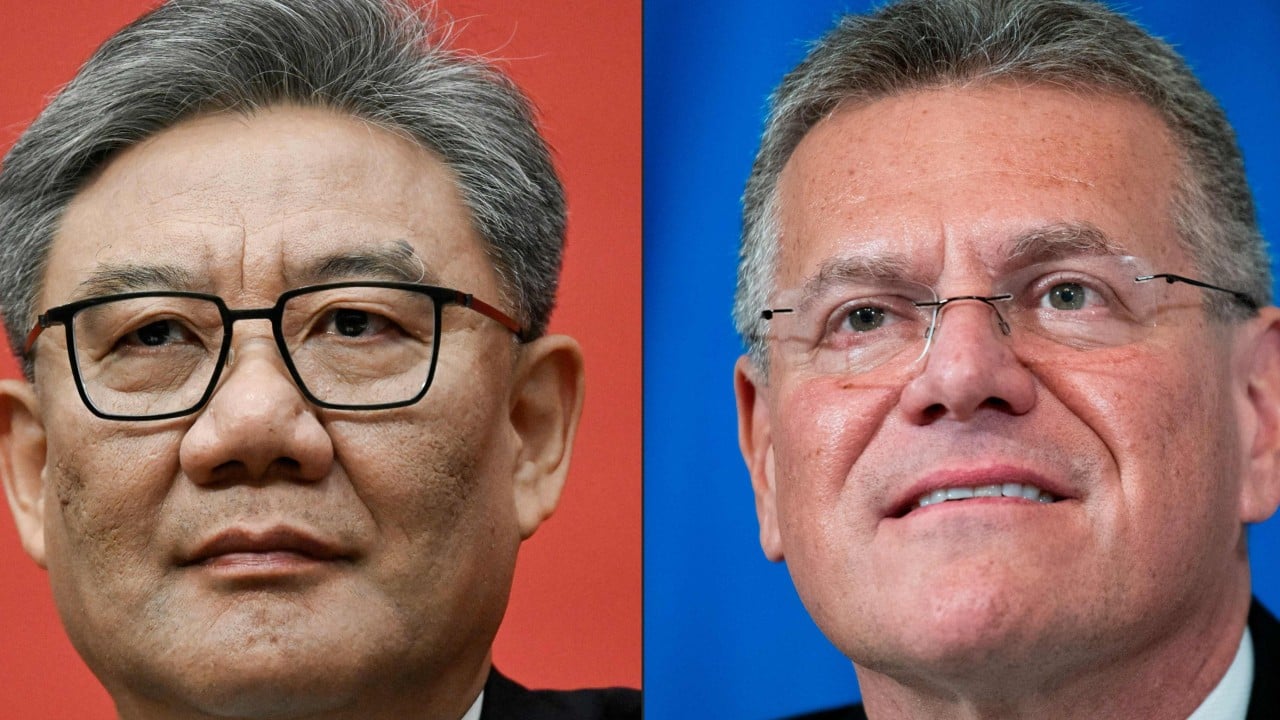
But Wang expressed more enthusiasm for increasing imports from Europe, some of the people said.
Topic: geopoliticsRegion: asia pacificUpdated: i1 outletsSources: 1Spectrum: Left Only⏱ 5 min read
Story Summary
SITUATION
In a significant development, China has indicated its willingness to explore options for reducing its substantial trade surplus with the European Union during recent talks in Brussels. This comes as the EU adopts a tougher stance on trade practices, reflecting growing concerns over the imbalance in trade relations.
Coveragetap to expand ▾Spectrum: Left Only🌍Asia: 1
Political Spectrum
Position is inferred from coverage mix.
i1 outlets · Center
Left
Center
Right
Left: 1
Center: 0
Right: 0
Geography Coverage
Distribution of where coverage is coming from.
i1 unique outlets · Dominant: Asia
KEY FACTS
- Publicly, Beijing has played down the significance of the trade gap, insisting it is simply the result of market demand in Europe for Chinese goods.
HISTORICAL CONTEXT
The current discussions between China and the European Union regarding the trade surplus are set against a backdrop of increasing tensions and evolving trade dynamics between the two entities. In recent years, particularly since 2020, the EU has expressed growing concerns about its trade deficit with China, which has been a significant point of contention.
The trade surplus in favor of China has been viewed not only as an economic issue but also as a political one, prompting Brussels to adopt a tougher stance on trade negotiations. In 2021, the EU began implementing measures aimed at addressing perceived unfair trade practices, including anti-dumping tariffs on various Chinese products, which further strained relations.
Brief
Chinese Commerce Minister Wang Wentao communicated this openness to EU trade chief Maros Sefcovic, suggesting that China might consider purchase agreements for European goods.
The discussions also touched on the possibility of lowering tariffs on EU-made products, a rare acknowledgment from China that its trade surplus, which amounts to about one billion euros per day, has become a political issue. However, sources indicate that Wang expressed greater enthusiasm for increasing imports from Europe rather than significantly reducing exports to the EU.
Publicly, Beijing has minimized the importance of the trade gap, insisting it is merely a reflection of European market demand for Chinese goods. This shift in dialogue underscores the evolving dynamics of EU-China trade relations, as both sides navigate the complexities of economic interdependence amidst rising political tensions.
Sources
1 of 1 linked articles