
China Enforces New Law Mandating Cultural Conformity for Ethnic Minorities
Topic: politicsRegion: AsiaUpdated: i3 outletsSources: 6⚠ Bias gap — sources divergeSpectrum: Mixed⏱ 4 min read
Story Summary
SITUATION
China has implemented the 'Law of the People's Republic of China on Promoting National Unity and Progress,' requiring all citizens to conform to cultural and religious guidelines set by the Chinese Communist Party. This law aims to safeguard national unity and the solidarity of all ethnic groups within the country.
Coveragetap to expand ▾Spectrum: Mixed🌍ME: 2 · Other: 2 · Asia: 1
Political Spectrum
Position is inferred from coverage mix.
i3 outlets · Center
Left
Center
Right
Left: 1
Center: 3
Right: 1
Geography Coverage
Distribution of where coverage is coming from.
i3 unique outlets · Dominant: Middle East
KEY FACTS
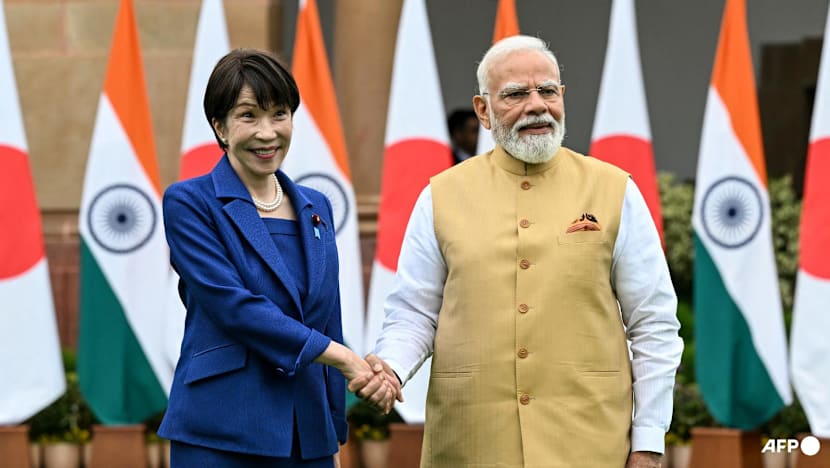
- China says Japan-India cooperation 'should not target' Beijing
- The rest of the population, approximately 91%, is ethnically Han Chinese according to Chinese census data collected in 2020.
- Article 63 of the law has drawn further international attention for extending China’s legal reach overseas.
- It states that “organisations and individuals outside of mainland China who commit crimes aimed at [China] that undermine ethnic unity and progress or create ethnic division are to be pursued for legal responsibility.”
HISTORICAL CONTEXT
The immediate backdrop to the enforcement of the new law mandating cultural conformity among minorities in China is the ongoing tension between the Chinese Communist Party (CCP) and various ethnic minority groups within the country, particularly the Uyghurs and Tibetans.
This tension has been exacerbated by a series of policies aimed at promoting national unity and suppressing dissent. In March 2023, the CCP passed the “Law of the People's Republic of China on Promoting National Unity and Progress,” which laid the groundwork for the current enforcement measures.
Brief
China has enacted a new law mandating cultural conformity among its ethnic minorities, officially known as the 'Law of the People's Republic of China on Promoting National Unity and Progress.' Passed in March 2026, this legislation requires all citizens and institutions to adhere to cultural and religious guidelines established by the Chinese Communist Party (CCP).
The law aims to safeguard national unity and the solidarity of all ethnic groups, which includes 55 recognized minorities alongside the Han Chinese majority. Approximately 91% of China's population is ethnically Han, highlighting the significant demographic dominance of this group.
Critics argue that the law threatens the cultural identities of minority populations, as it imposes a framework that may suppress their unique traditions and practices. The Chinese government has justified the law as a necessary measure to maintain social stability and cohesion in a diverse nation.
However, the implications of such a mandate raise concerns about the erosion of cultural diversity in China, as the CCP continues to assert its authority over various ethnic groups. many governments is watching closely as this law unfolds, with potential ramifications for China's internal dynamics and its relations with minority communities.
Where sources differ
Bias gap0.95 / 2.0
Left- and right-leaning outlets are covering this story differently — in which facts to emphasize, which context to include, and how to frame causes and consequences.
Left-leaning (1)
aljazeera.com-0.20
China’s new ethnic unity law extends its legal reach overseas China’s new ethnic unity law extends its legal reach overseas China’s new ethnic unity law extends its legal reach ove…
Center (3)
channel_news_asiathetibetpost.comdominotheory.com
Right-leaning (1)
jerusalem_post+0.75
China implements law requiring minorities conform to CCP cultural, religious guidelines China implements law requiring minorities conform to CCP cultural, religious guidelines Chin…
Sources
5 of 5 linked articles
China says Japan-India cooperation 'should not target' Beijing
channelnewsasia.com8h agoCenter
↗
China implements law requiring minorities conform to CCP cultural, religious guidelines
jpost.com18h agoRight
↗
China’s new ethnic unity law extends its legal reach overseas
aljazeera.comJul 2Center
↗
Tibetans across the world have strongly condemned China's enforcement of the “Ethnic Unity Law”
thetibetpost.comJul 2Left
↗
Criticism Grows as China’s Ethnic Unity Law Takes Effect - dominotheory.com
dominotheory.comJul 1Left
↗