
China Expands Nuclear Arsenal, Adding 20 Warheads Amid Disarmament Stagnation
Coveragetap to expand ▾Spectrum: Mostly Center🌍Europe: 1 · Asia: 1 · Other: 1
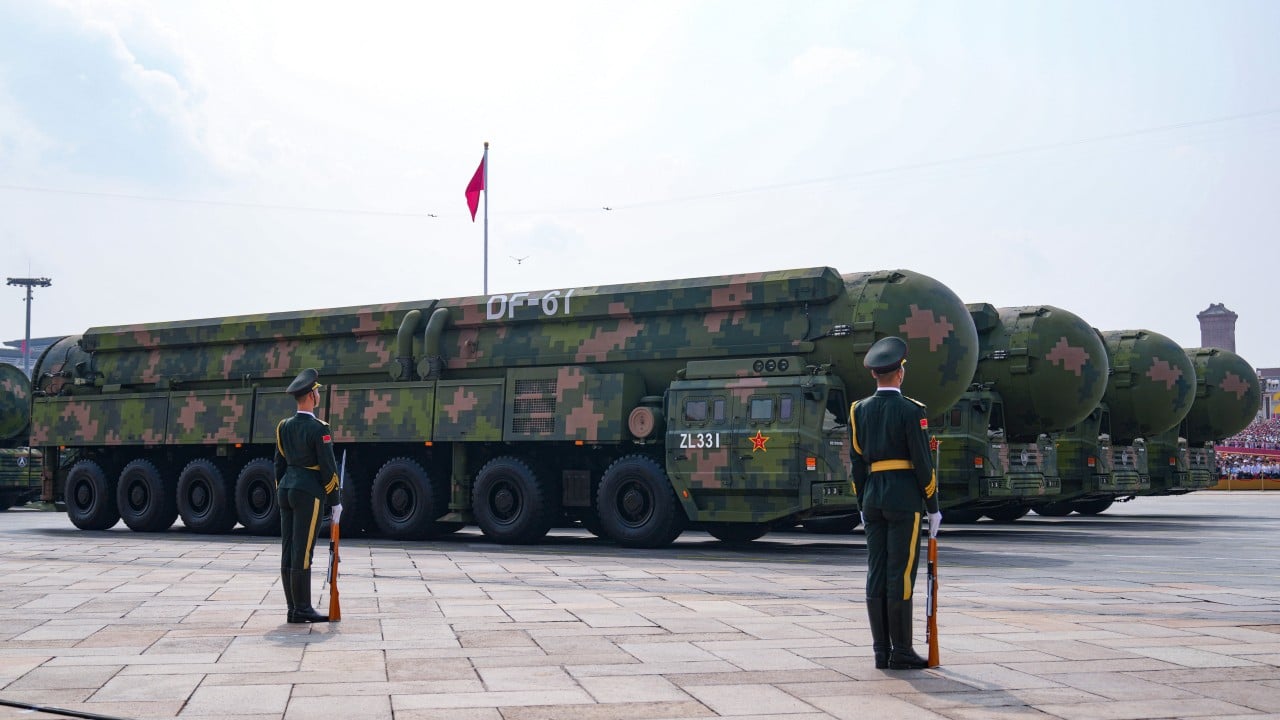
- China was significantly modernising and expanding its nuclear arsenal, with its warhead stockpile expected to “keep growing over the coming decade,” the report said.
- While the vast majority of Chinese warheads are thought to be stored separately from their launchers, Beijing may now be deploying warheads on missiles in a few mobile battalions during peacetime exercises.
- SIPRI estimates that China may have increased its deployed nuclear warheads with operational forces to about 34 in January, up from 24 in 2025.
China has significantly expanded its nuclear arsenal, adding 20 warheads to its stockpile as of January 2026, according to a report from the Stockholm International Peace Research Institute (SIPRI). This increase brings the total number of deployed nuclear warheads with operational forces to approximately 34, up from 24 in 2025.
SIPRI's report, released as part of its latest yearbook, warns that major nuclear powers are increasingly 'walking away' from disarmament commitments, highlighting a concerning trend in global nuclear proliferation.
The report suggests that China's nuclear expansion is driven by perceived threats from other nuclear states, reflecting a broader military modernization effort among these powers. While China maintains that its nuclear capabilities are for defensive purposes, the growing stockpile raises alarms about the potential for an arms race in the region.
The stagnation of disarmament talks globally further complicates the situation, as nations prioritize military readiness over diplomatic engagement. As many governments grapples with these developments, the implications for global security and stability remain profound, with calls for renewed dialogue on nuclear disarmament becoming increasingly urgent.