
China-Gulf Partnership Aims to Transform Energy Vulnerability into Sustainability
Coveragetap to expand ▾Spectrum: Left Only🌍Asia: 1
- The Strait of Hormuz has long been a critical passage for global energy security (per scmp.com).
- China and the Gulf states are exploring a transition from oil trade to renewable energy cooperation (per scmp.com).
- In 2024, China-Arab trade reached US$407.4 billion, making China the Arab world's largest trading partner (per scmp.com).
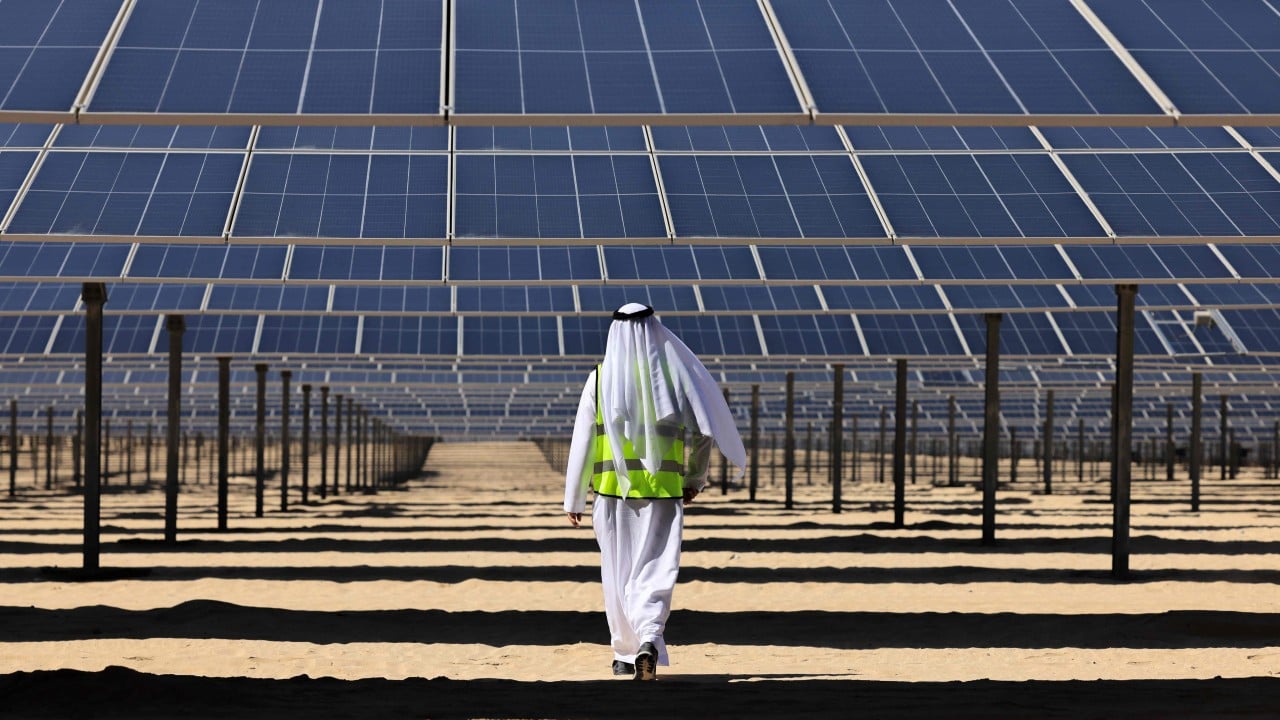
- China is a key player in the production of solar panels, batteries, electric vehicles, and grid technologies (per scmp.com).
- Gulf states have incentives to accelerate the shift towards renewable energy (per scmp.com).
China and the Gulf states are forging a strategic partnership aimed at transforming their energy relationship from one heavily reliant on oil to a more sustainable model focused on renewable energy.
This initiative is driven by the recognition of the Strait of Hormuz's critical role in global energy security and the need to mitigate vulnerabilities associated with oil dependency. The partnership seeks to maintain stable oil trade while pivoting towards renewables, storage solutions, electric vehicles, industrial localization, and green finance.
In 2024, trade between China and the Arab world reached an impressive US$407.4 billion, establishing China as the Arab world's largest trading partner. This robust economic relationship underscores the potential for deeper cooperation in the energy sector.
Last year, China's trade with Arab League nations hit a record high of US$241.6 billion in just the first seven months, highlighting the growing economic interdependence between these regions. China's leadership in renewable technologies, including solar panels, batteries, electric vehicles, and grid technologies, positions it as a pivotal player in this transition.
The Gulf states, with their vast resources and strategic location, have strong incentives to accelerate the shift towards renewable energy, aligning with global trends and reducing their economic vulnerability to oil price fluctuations.
The proposed energy transition is not merely a response to current geopolitical tensions but a proactive strategy to ensure long-term sustainability and energy security. By focusing on renewables and green technologies, China and the Gulf states aim to create a more resilient energy framework that can withstand regional and global disruptions.
This partnership reflects a broader trend of diversification in the energy sector, as countries seek to balance traditional energy sources with emerging technologies. The collaboration between China and the Gulf states could serve as a model for other regions looking to navigate the complexities of energy transition in a rapidly changing world.
As the world grapples with the challenges of climate change and energy security, the China-Gulf partnership represents a significant step towards a more sustainable and secure energy future. The success of this initiative could have far-reaching implications, influencing energy policies and economic strategies across Asia and beyond.
- The transition to renewable energy could reduce the Gulf states' economic vulnerability to oil price fluctuations, impacting their economies and populations reliant on oil revenues.
- China's leadership in renewable technologies positions it to benefit from increased demand for solar panels, batteries, and electric vehicles, potentially boosting its manufacturing sector.
- The partnership could serve as a model for other regions seeking to balance traditional energy sources with renewable technologies, influencing global energy policies.
- Whether China and the Gulf states formalize agreements to expand renewable energy cooperation by the end of the year.
- The impact of this partnership on global oil markets and renewable energy investments.
- Potential shifts in trade dynamics between China and other major energy producers.
- No source mentions the specific geopolitical tensions affecting the Strait of Hormuz that may influence the energy transition.
- The economic impact on populations within the Gulf states due to reduced oil dependency is not detailed.
- The role of international organizations or agreements in facilitating this energy transition is not discussed.