
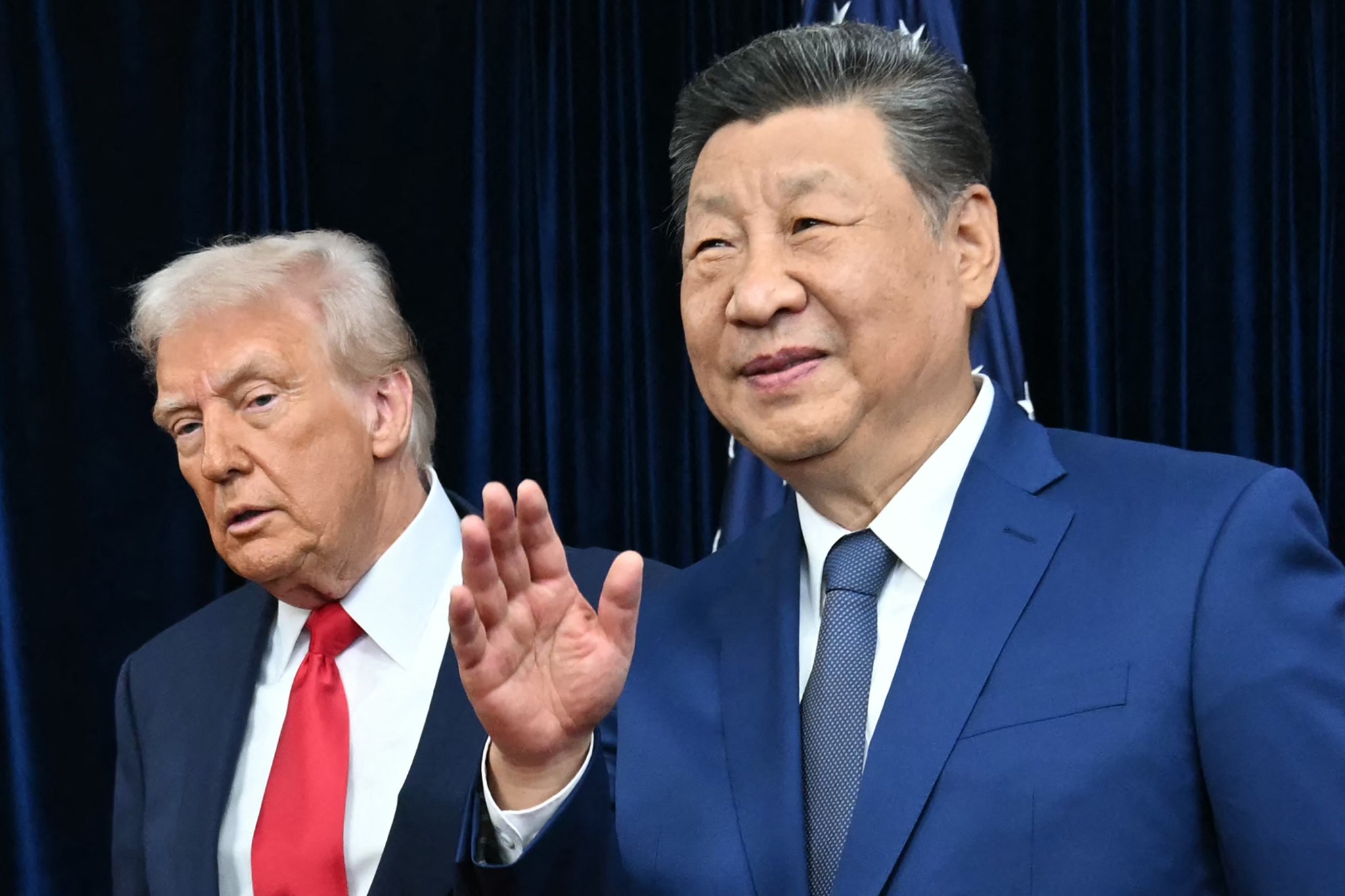
China Alters Sanctions Rules, Potentially Easing Trump's Path
Coveragetap to expand ▾Spectrum: Center Only🌍Other: 2
- On May 2, China's Ministry of Commerce issued new rules regarding U.S. sanctions (per fortune.com).
- The changes could potentially benefit Donald Trump by easing restrictions (per fortune.com).
- China's revision of the sanctions rules may indicate a strategic shift in its economic policy towards the U.S. (per fortune.com).
- China's move could be interpreted as an attempt to influence U.S. domestic politics (per fortune.com).
- The announcement was made by China's Ministry of Commerce, known as MOFCOM (per fortune.com).
China has recently revised its rules on U.S. sanctions, a move that could potentially ease restrictions for Donald Trump. On May 2, the Ministry of Commerce of China, known as MOFCOM, issued new guidelines that may alter the landscape of economic relations between the two countries.
While the specific details of these changes have not been fully disclosed, the timing and nature of the announcement suggest a strategic shift in China's approach to its economic policy with the United States. This development occurs against a backdrop of ongoing tensions between the two nations, particularly concerning trade and technology.
Observers speculate that China's decision could be an attempt to influence U.S. domestic politics, especially given the contentious nature of U.S.-China relations in recent years. The revision of the sanctions rules by China may also reflect a broader strategy to navigate the complex geopolitical landscape, where economic leverage plays a crucial role.
As the implications of these changes unfold, both countries will likely reassess their positions in light of the new regulatory environment. The move by China could be seen as a gesture towards recalibrating its economic ties with the U.S., potentially opening new avenues for dialogue and negotiation.
However, the full impact of these changes will depend on how they are implemented and perceived by stakeholders on both sides.
- U.S. businesses operating in China could face altered regulatory conditions, impacting their operations and profitability.
- Donald Trump may benefit politically from eased restrictions, potentially influencing his economic policies towards China.
- China's strategic shift could affect global trade dynamics, particularly in sectors heavily reliant on U.S.-China relations.
- Whether the U.S. government responds to China's revised sanctions rules by the end of the month.
- Potential changes in U.S.-China trade negotiations following the announcement.
- Reactions from U.S. businesses affected by the new regulatory environment in China.
- fortune.com emphasizes the potential benefits for Donald Trump, while not all outlets may highlight this aspect.
- The specific details of the rule changes remain undisclosed, leading to speculation about their full impact.
- No source mentions the broader geopolitical context of U.S.-China relations, including recent trade disputes and technology bans.