
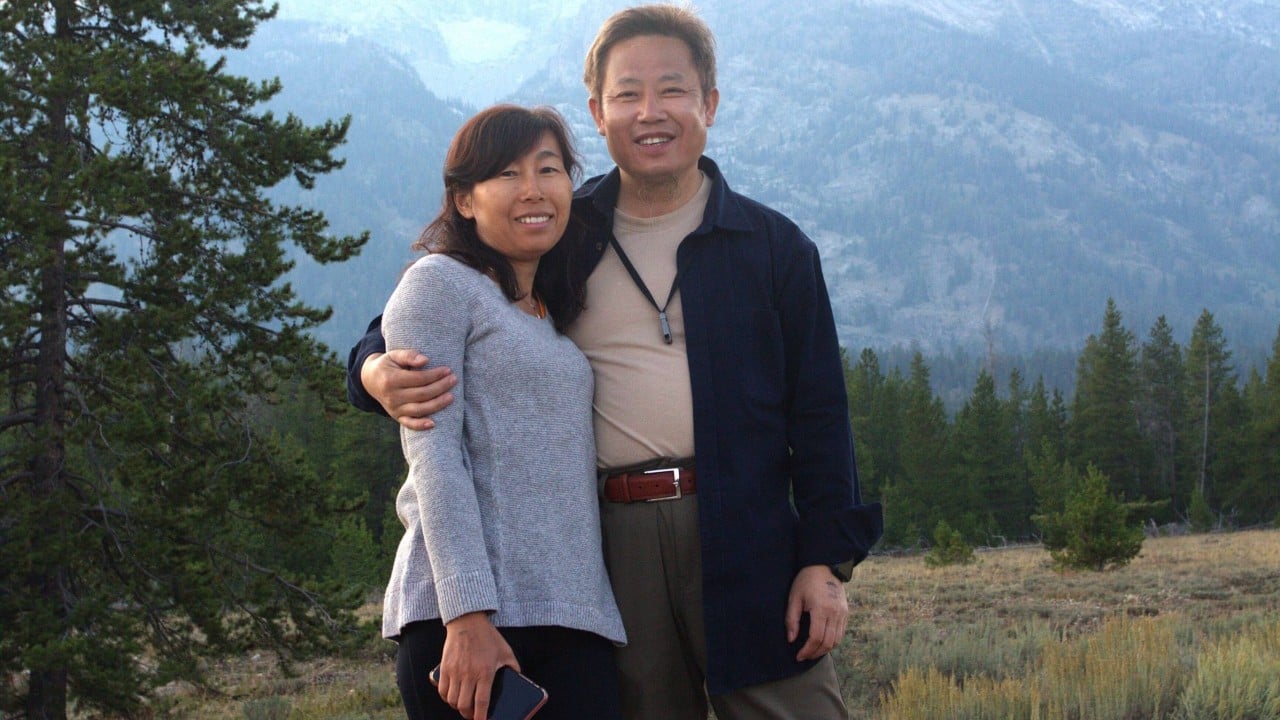
China detains Chinese‑American scientist Chen Youlin at Beijing airport, families press Trump ahead of Xi visit
Topic: geopoliticsRegion: North AmericaUpdated: i1 outletsSources: 1Spectrum: Center Only⏱ 3 min read
Story Summary
SITUATION
Chinese authorities arrested Chinese‑American scientist Chen Youlin at Beijing airport in October 2024 and have detained him without family contact for more than 670 days (per scmp.com). Ahead of Xi Jinping's expected visit to Washington next week, US families of detainees are pressing the Trump administration to raise their cases with Beijing (per scmp.com).
Coveragetap to expand ▾Spectrum: Center Only🌍Asia: 1
Political Spectrum
Position is inferred from coverage mix.
i1 outlets · Center
Left
Center
Right
Left: 0
Center: 1
Right: 0
Geography Coverage
Distribution of where coverage is coming from.
i1 unique outlets · Dominant: Asia
KEY FACTS
- Chinese authorities arrested Chinese‑American scientist Chen Youlin at Beijing airport in October 2024 (per scmp.com).
- Chen Youlin has been detained for more than 670 days with his family unable to see or speak with him (per scmp.com).
- US families of detainees are increasing pressure on the Trump administration ahead of Chinese President Xi Jinping's expected visit to Washington next week (per scmp.com).
- The reporting frames the detentions as part of a broader pattern of Chinese detentions of dual nationals or US-linked individuals, which families say the US should press Beijing on during the visit (per scmp.com).
HISTORICAL CONTEXT
The immediate backdrop is a period of acute great‑power and regional tension marked by the March 2026 coordinated U.S.-Israel strikes on Iranian infrastructure and the ensuing, sustained escalation across the Middle East that has pushed Washington into intensive high‑level diplomacy with multiple capitals.
That escalation has overlapped with a renewed cycle of bilateral friction between Washington and Beijing rooted in strategic competition over technology, intelligence access, and influence in the Indo‑Pacific throughout the 2010s and early 2020s.
Brief
Chinese authorities arrested Chinese‑American scientist Chen Youlin at Beijing airport in October 2024, and more than 670 days later his family remains unable to see or speak with him, according to reporting by the South China Morning Post.
The case has become a focal point for US families of detainees who say they are intensifying pressure on President Donald Trump to raise individual releases ahead of Xi Jinping's expected trip to Washington next week.
Families told the Post they see Xi's visit as the best near‑term opportunity to secure consular access and possible releases after prolonged silence from Chinese authorities. The SCMP account places Chen's detention in a wider pattern of Beijing holding dual nationals or US‑linked researchers, and families say the US should press these cases directly in high‑level talks.
The article documents the immediate consequence: family members remain cut off from contact with detainees, and they are turning to the Trump administration to make detainee cases a central item in bilateral discussions during Xi's visit.
Reporting here is limited to families' statements and the detention timeline; the Post does not provide new official Chinese or US government responses or legal filings in Chen's case. Why this is happening now: families and advocates view Xi's planned Washington trip as a rare, concrete window when Beijing may face direct diplomatic pressure from the United States.
The SCMP framing emphasizes victims' appeals and a pattern of detentions, while it stops short of attributing motive by Chinese authorities or detailing legal grounds for Chen's arrest beyond the detention timeline and family testimony.
Why it matters
- Families of detainees bear concrete costs: Chen Youlin's family has had no visits or calls for more than 670 days, depriving them of contact and legal visibility (per scmp.com).
- The mechanism of leverage is diplomacy: US families want President Donald Trump to raise detainee cases directly with Xi Jinping during his Washington visit, seeking consular access or releases (per scmp.com).
- Beneficiaries of the status quo include Chinese authorities who retain custody and control over detained dual nationals without outside consular pressure (per scmp.com).
- US detainee families stand to gain immediate relief if Xi Jinping concedes releases or access during his trip to Washington next week (per scmp.com).
What to watch next
- Whether President Donald Trump raises Chen Youlin and other detainee cases directly with Xi Jinping during Xi's expected visit to Washington next week (per scmp.com).
- Whether Chinese authorities grant consular access or allow family contact for Chen Youlin within days of Xi's Washington trip (per scmp.com).
- Whether US officials announce any detainee‑related concessions, case reviews, or bilateral agreements tied to Xi Jinping's visit (per scmp.com).
Where sources differ
7 dimensionsFraming differences
?- Only scmp.com is available in this pack; it frames Chen Youlin's case as an emblematic detention that families hope the Trump administration will raise during Xi's visit.
Disputed or unclear
?- No source here disputes the detention timeline, but the legal grounds for Chen Youlin's arrest and any formal charges are not provided in the SCMP excerpt.
Omitted context
?- No source in this pack provides the legal charges or court filings underlying Chen Youlin's arrest.
- No source here includes official responses from Chinese government or US government spokespeople detailing positions or planned diplomatic steps.
- No source mentions how many other US‑linked detainees families hope will be raised during Xi's visit or previous cases with comparable outcomes.
Conflicting figures
?- scmp.com reports 'more than 670 days' detained (per scmp.com).
Disputed causality
?- The SCMP frames families' increased pressure on the US as timed to Xi Jinping's expected Washington visit; there is no alternate causal account in this pack.
Attribution disputes
?- SCMP attributes the detention timeline and families' claims to its reporting (per scmp.com).
Sources
1 of 1 linked articles