
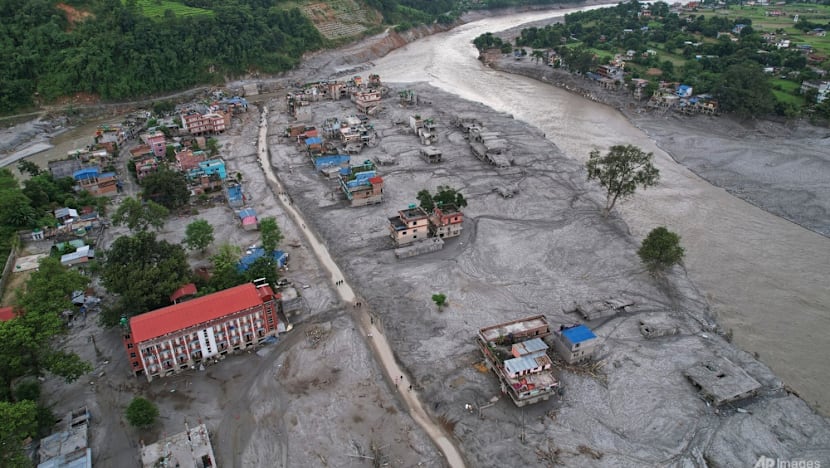
AP analysis: warming-driven glacier retreat made Nepal collapse deadlier
Coveragetap to expand ▾Spectrum: Center Only🌍Asia: 1 · Other: 1
- Climate change likely to have helped trigger Nepal glacier collapse, scientists say
An Associated Press analysis concluded that climate change made a sudden glacier and rock collapse in Nepal more likely, linking accelerated glacier melt and destabilized slopes to the deadly event.
Researchers cited by the AP describe how warming-driven ice loss increased meltwater and reduced support for adjacent rock, which together weakened bedrock and precipitated the collapse that killed people and damaged infrastructure in the valley (per AP News).
The scientists framed the event as the kind of compound hazard — glacier retreat coupled with slope failure — that becomes more probable as regional temperatures rise; the AP relayed their methods and expert statements without presenting an alternative causal explanation (per AP News).
Nepalese authorities reported fatalities and local destruction in the wake of the collapse, and the AP article emphasized the human toll while quoting researchers on the physical processes linking climate change to the disaster (per AP News).
Why now: the region has experienced measurable warming and glacier retreat over recent decades, which researchers say increased the hazard by changing ice geometry and hydrology on steep slopes; the AP analysis treats those observed changes as the proximate drivers that made collapse more likely (per AP News).
Confirmed versus claimed: the physical collapse, the fatalities, and the presence of glacier retreat and slope destabilization are documented; attribution to climate change reflects the analysis of scientists cited by the AP rather than a legal or political finding of liability (per AP News).
Looking ahead, the AP piece highlights scientists' warnings that similar compound glacier–slope failures may become more common in high-mountain Nepal as warming continues, placing communities living below glaciers at heightened risk (per AP News).