
Barnaby Joyce's One Nation Embraces Climate Denial, Splitting Right
Coveragetap to expand ▾Spectrum: Left Only🌍Asia: 1
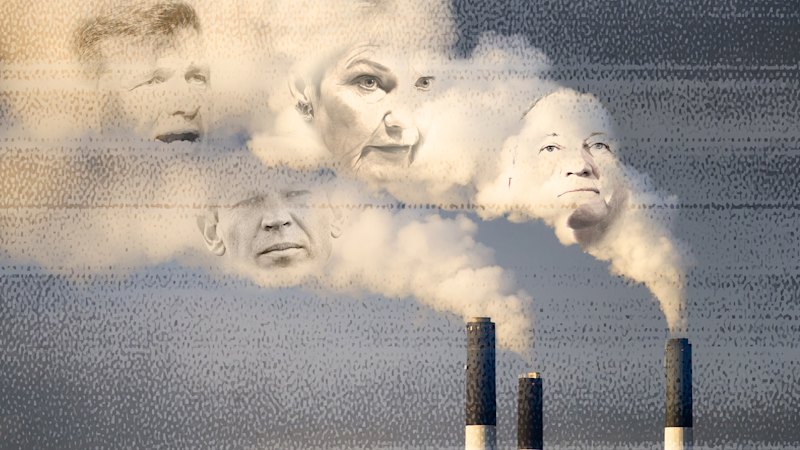
- ‘Climate denial on steroids’: How the global anti-climate movement is fracturing right-wing politics at home
- His new party not only rejects any action to mitigate climate c Barnaby Joyce, liberated from the Nationals into the senior ranks of One Nation, is growing ever more blunt about climate policy.
- This puts One Nation at odds with the Coalition, which has abandoned Australia’s net zero target, but professes to accept the scientific consensus on global warming.
- Joyce is unapologetic about his stance, telling this masthead he believes that One Nation’s “pure” position against climate science will elevate it over the Coalition he abandoned.
- “The day One Nation’s vote got to 18 per cent was the day that the written-in-blood, sealed-in-concrete commitment by the Coalition to net zero was removed within 24 hours,” Joyce says.
Barnaby Joyce's recent transition to One Nation marks a significant shift in Australian politics, as he embraces a staunchly anti-climate stance that rejects the very foundations of climate science.
This move has created a rift within the right-wing political landscape, particularly with the Coalition, which, while having abandoned its commitment to Australia's net zero target, still claims to accept the scientific consensus on global warming.
Joyce argues that One Nation's clear and unyielding position against climate action will resonate more with voters than the Coalition's ambiguous stance. He points to a pivotal moment when One Nation's vote reached 18 percent, claiming that this prompted the Coalition to retract its net zero commitment almost immediately.
This development underscores a broader trend of climate denialism that is gaining traction among right-wing factions not only in Australia but globally.
The ideological fracture within right-wing politics raises questions about the future of climate policy and the potential for a more extreme anti-climate agenda to take hold, as traditional alliances are tested and redefined in the face of growing climate challenges.