
trip of Shri Hosabale, during which one of his colleagues admitted to the PM doing what the U.S.
Coveragetap to expand ▾Spectrum: Center Only🌍Asia: 1 · Other: 1
- Hosabale’s remarks in an interview to PTI Videos, Congress general secretary in-charge of communications Jairam Ramesh said the RSS leader’s recent interactions in the U.S.
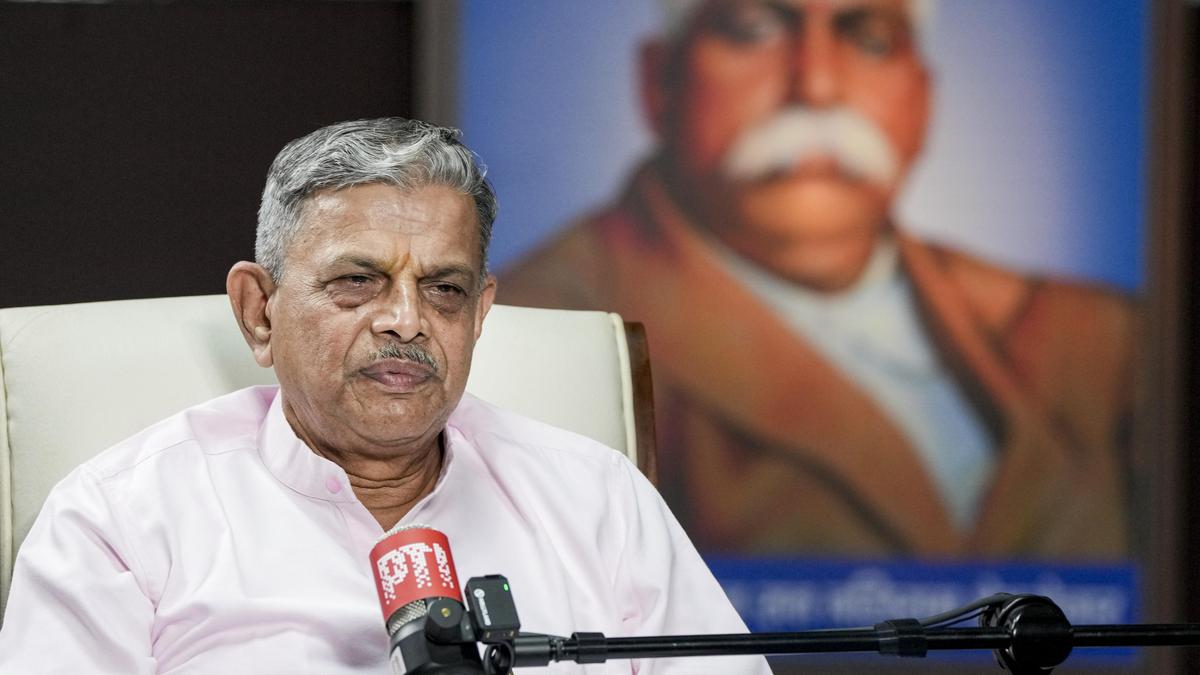
On May 13, 2026, the Congress party criticized Dattatreya Hosabale, a senior leader of the Rashtriya Swayamsevak Sangh (RSS), for his recent comments advocating dialogue with Pakistan. This criticism emerged following Hosabale's remarks in an interview with PTI Videos, where he suggested that engaging in dialogue could be beneficial.
Congress general secretary Jairam Ramesh claimed that Hosabale's recent trip to the United States had influenced his perspective, indicating a shift in the RSS's traditionally hardline stance towards Pakistan. The Congress's response underscores the ongoing tensions within Indian politics regarding relations with its neighbor, particularly in the context of national security.
This exchange reflects a broader debate about how India should approach its diplomatic relations, especially given the historical context of conflicts between the two nations. The political implications of this criticism may resonate within the RSS and the ruling Bharatiya Janata Party (BJP), as they navigate their positions on national security and foreign policy.