
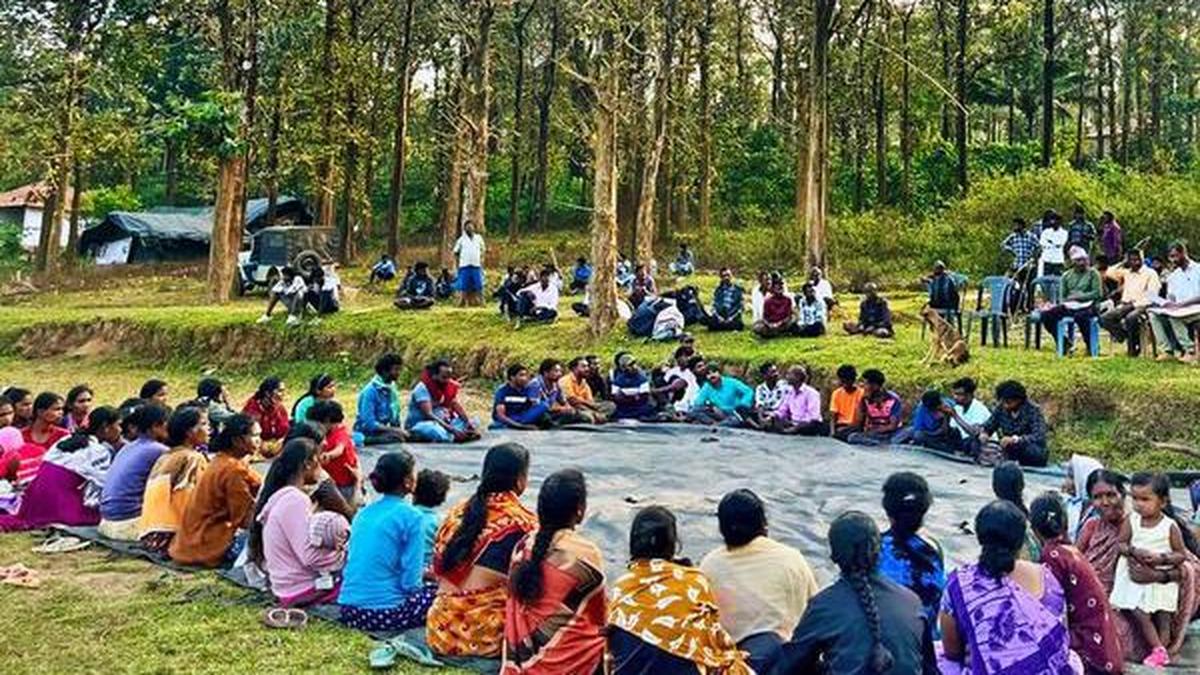
Activists, Congress criticizes RSS-linked task forces for PESA, FRA implementation in MP, Chhattisgarh
Coveragetap to expand ▾Spectrum: Center Only🌍Asia: 1
- This task force is meant to map potential areas for community forest resource rights claims under the FRA, review pending claims, design strategies for PESA-related matters.
On June 2, 2026, Congress leader Jairam Ramesh publicly criticized the establishment of RSS-linked task forces in Madhya Pradesh and Chhattisgarh, alleging that these groups are undermining the implementation of key legislation designed to protect the rights of Scheduled Tribes.
Ramesh asserted that the essential character of the Panchayat (Extension to Scheduled Areas) Act, 1996, and the Forest Rights Act, 2006, is being deliberately sabotaged by these task forces, which hold executive responsibilities.
The Congress party's allegations reflect a growing concern about the influence of the Rashtriya Swayamsevak Sangh (RSS) in state governance, particularly regarding the rights and governance of tribal communities.
The task forces are accused of attempting to institutionalize the RSS's role in local governance, which Congress argues could lead to the erosion of established rights for Scheduled Tribes.
This criticism comes at a time when the rights of these communities are under scrutiny, and the Congress party is positioning itself as a defender of their interests against perceived encroachments by the RSS.
The situation highlights the ongoing political tensions in these states, where the Congress party is seeking to rally support against what it views as an overreach by the ruling parties linked to the RSS.
- The criticism of RSS-linked task forces in Madhya Pradesh and Chhattisgarh highlights a critical struggle for indigenous communities seeking to assert their rights under the PESA and FRA.
- If these task forces fail to operate transparently and inclusively, tribal populations may face further marginalization, jeopardizing their access to land and forest resources essential for their livelihoods.
- This situation could exacerbate local tensions and lead to increased protests, undermining efforts for peaceful governance and sustainable development in these regions.
- Watch for a response from the Ministry of Tribal Affairs regarding the implementation of PESA and FRA in Madhya Pradesh and Chhattisgarh, expected within the next week.
- Anticipate a statement from Congress leaders addressing the criticisms of the RSS-linked task forces, likely to be released before the upcoming parliamentary session.
- Monitor for potential protests organized by tribal rights activists in response to the task forces' actions, scheduled for later this month.
- Expect a report from the National Commission for Scheduled Tribes on the effectiveness of PESA and FRA implementation in the two states, due to be published within the next 30 days.
- Keep an eye on upcoming discussions in state assemblies regarding amendments to tribal rights legislation, which may be proposed before the end of the current legislative session.