
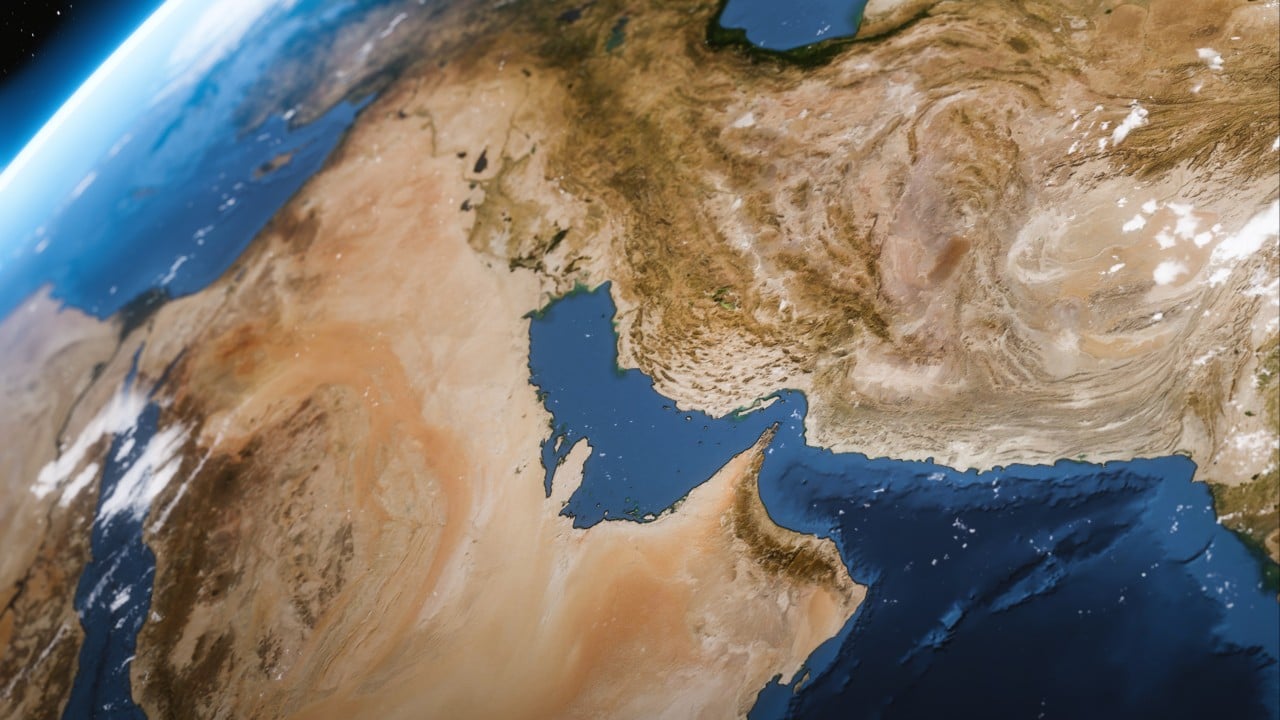
Iran's Control of Strait of Hormuz Threatens Global Digital Infrastructure
Coveragetap to expand ▾Spectrum: Mostly Center🌍Other: 3 · Asia: 2 · US: 1
- The US and Israel launched military strikes against Iran, leading to Iran asserting control over the Strait of Hormuz (per smh.com.au, scmp.com).
- Iran's control of the Strait of Hormuz has raised concerns about the security of undersea cables that are vital for internet communications in the Middle East (per scmp.com).
- A media outlet affiliated with Iran’s Islamic Revolutionary Guard Corps warned that damage to these cables could cause a 'digital catastrophe' and significant economic losses (per scmp.com).
- The Strait of Hormuz is a critical chokepoint for global oil and gas shipments, and its closure has exacerbated the global energy crisis (per smh.com.au).
- Iran has threatened 'long and painful' strikes against the US, asserting its control over the Strait of Hormuz (per news.google.com).
- The conflict has brought attention to the potential weaponization of other key shipping lanes and digital infrastructure vulnerabilities (per smh.com.au).
The ongoing conflict between the United States, Israel, and Iran has escalated with Iran asserting control over the Strait of Hormuz, a critical chokepoint for global oil and gas shipments. This move follows military strikes by the US and Israel against Iran, which have intensified tensions in the region.
The Strait of Hormuz is not only pivotal for energy transportation but also serves as a crucial corridor for undersea cables that support internet communications across the Middle East.
A media outlet linked to Iran’s Islamic Revolutionary Guard Corps has warned that any damage to these cables could lead to a 'digital catastrophe,' causing significant economic losses for southern Persian Gulf countries. The strategic importance of the Strait of Hormuz has been underscored by the global energy crisis, which has been exacerbated by the conflict.
The potential for Iran to weaponize this chokepoint has raised alarms about the security of other vital shipping lanes and digital infrastructure. The threat of 'long and painful' strikes by Iran against the US further complicates the situation, as many governments watches closely.
The undersea cables in question form the digital backbone of the region, and their disruption could have far-reaching consequences. The economic impact on countries reliant on these cables could be severe, with potential multibillion-dollar losses.
The conflict has highlighted the vulnerabilities of global infrastructure, both physical and digital, in times of geopolitical tension. While the US and Israel's military actions have been framed as a response to Iran's activities, the broader implications of the conflict are becoming increasingly apparent.
The focus on the Strait of Hormuz has shifted from merely an energy chokepoint to a critical digital corridor, emphasizing the interconnectedness of modern global infrastructure. As the situation develops, the potential for further escalation remains a concern.
The strategic importance of the Strait of Hormuz and the undersea cables underscores the need for diplomatic solutions to prevent further disruption. The conflict serves as a stark reminder of the fragility of global infrastructure in the face of geopolitical conflicts.
- Southern Persian Gulf countries face potential multibillion-dollar losses if undersea cables are damaged, impacting their economies significantly.
- Iran benefits from asserting control over the Strait of Hormuz, leveraging its strategic position to influence global energy and digital infrastructure.
- The global energy market is directly affected by the closure of the Strait of Hormuz, leading to increased energy prices and supply chain disruptions.
- Digital infrastructure in the Middle East is at risk, threatening internet communications and economic stability in the region.
- Whether Iran takes further action to disrupt undersea cables in the Strait of Hormuz.
- Potential diplomatic efforts by the US and Israel to de-escalate the situation.
- Economic impact assessments from southern Persian Gulf countries regarding potential cable damage.
- Monitoring of global energy prices as the conflict affects oil and gas shipments through the Strait of Hormuz.
- smh.com.au emphasizes the global energy crisis and shipping lane vulnerabilities, while scmp.com highlights the digital infrastructure threat.
- No source mentions the specific military actions by the US and Israel that triggered Iran's response.
- The economic interests of countries reliant on the Strait of Hormuz for digital communications are not detailed.
- A media outlet affiliated with Iran’s Islamic Revolutionary Guard Corps warned of a 'digital catastrophe' if undersea cables are damaged (per scmp.com).