
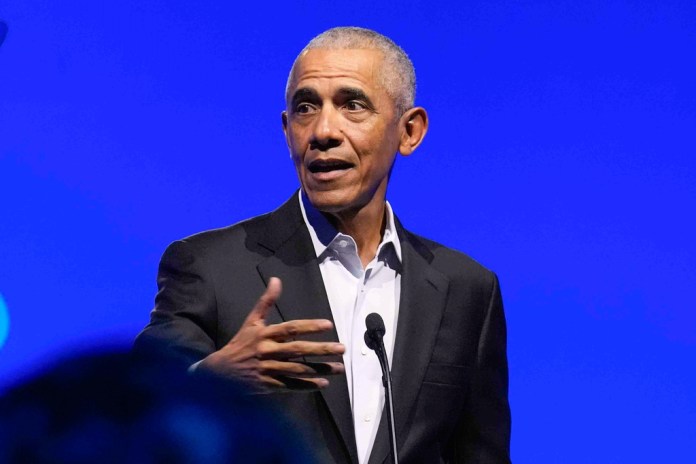
The Democratic faithful have instead gravitated toward Barack Obama as their president-emeritus.
Topic: generalRegion: north americaUpdated: i1 outletsSources: 1Spectrum: Right OnlyFiltered: US/Canada (1/1)· Clear⏱ 4 min read
Story Summary
SITUATION
Did Democrats bet on the wrong horse for their political future? Viewed through the lens that Hillary Clinton was handed two of the biggest political layups in modern electoral history in 2008 and 2016, only to come up short both times, it caused Democrats to look elsewhere for their standard-bearer.
Coveragetap to expand ▾Spectrum: Right Only🌍US: 1
Political Spectrum
Position is inferred from coverage mix.
i1 outlets · Right
Left
Center
Right
Left: 0
Center: 0
Right: 1
Geography Coverage
Distribution of where coverage is coming from.
i1 unique outlets · Dominant: US/Canada
KEY FACTS
- Hillary Clinton lost the Democratic primary to Barack Obama in 2008, who received 2,658 delegates compared to her 1,442.
- In the 2008 general election, Barack Obama won with 365 electoral votes against John McCain's 173.
- Hillary Clinton ran for president again in 2016, securing the Democratic nomination with 2,842 delegates, while Bernie Sanders received 1,865.
- In the 2016 general election, Hillary Clinton received 65.8 million votes (48.2% of the total) but lost to Donald Trump, who garnered 62.9 million votes (46.1%).
- Barack Obama was re-elected in 2012 with 332 electoral votes, despite receiving 51.1% of the popular vote, which was 65.4 million votes.
- Hillary Clinton's 2016 campaign was viewed as an attempt to continue the policies of the Obama administration, which had a 55% approval rating at the end of his second term.
HISTORICAL CONTEXT
The immediate backdrop to the current reflection within the Democratic Party is the aftermath of Hillary Clinton's defeats in the 2008 and 2016 presidential elections. In 2008, Clinton faced a tough primary battle against Barack Obama, who ultimately emerged victorious and went on to win the presidency.
This loss marked a significant moment for the Democratic Party, as it signified a shift in the party's base and priorities. Clinton's candidacy in 2016 was seen as an opportunity to build on the legacy of the Obama administration, yet she faced a surprising challenge from Donald Trump, who won the presidency despite losing the popular vote.
Brief
The Democratic Party is undergoing a significant reassessment of its leadership following Hillary Clinton's electoral defeats in 2008 and 2016. Clinton was seen as a strong candidate, yet her inability to secure victory in two major elections has led party members to question whether they backed the right leader.
In the wake of these losses, many Democrats are now looking to Barack Obama, who remains a popular figure among the party's base, as a potential standard-bearer for future elections. This shift reflects a broader desire within the party to find a leader who can unite and energize the electorate, especially as they prepare for upcoming contests.
Comparatively, Bill Clinton's electoral successes, where he expanded his margins and garnered more votes, highlight the challenges faced by his wife in her campaigns. While Obama won in 2012, he did so with fewer electoral votes and total votes than Bill Clinton, raising questions about the party's current direction and strategy.
As Democrats reflect on their past choices, the focus is now on how to rebuild and regain electoral strength in a changing political landscape.
Why it matters
- The Democratic Party's shift toward Barack Obama as their president-emeritus underscores a critical reevaluation of leadership and electoral strategy, particularly as they grapple with the implications of Clinton's past candidacies.
- This realignment affects party loyalists and potential candidates alike, as they must now navigate a landscape where the legacy of Obama looms large, potentially sidelining new voices and ideas.
- A significant consequence of this focus on Obama could be a reluctance to embrace progressive policies that resonate with younger voters, risking further alienation from a demographic crucial for future electoral success.
What to watch next
- Watch for President Biden to address the Democratic National Committee within the next 72 hours, as he may outline his vision for the party's future leadership and strategy heading into the 2024 elections.
- Keep an eye on Hillary Clinton's upcoming public appearances and speeches scheduled for next month, as she may reveal her stance on the party's direction and her role in the upcoming election cycle.
- Monitor Barack Obama's planned participation in key Democratic fundraising events over the next quarter, which could signal his influence on candidate endorsements and party unity efforts.
- Anticipate a potential shift in endorsements from prominent Democratic figures, as several may announce their support for emerging candidates before the June summit, reshaping the party's landscape.
- Look for polling data to be released in the next few weeks that may indicate voter sentiment towards potential Democratic candidates, providing insights into the party's direction leading up to the primaries.
Sources
1 of 1 linked articles · Filter: US/Canada