
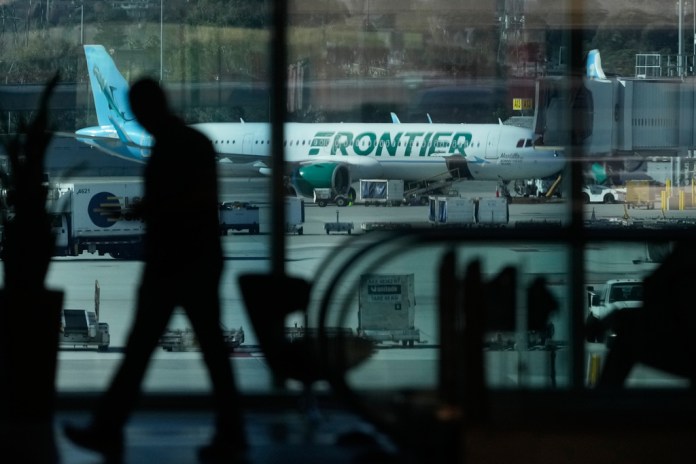
Tiana Lowe Doescher: Spirit Airlines shutdown highlights aggressive mergers and acquisition enforcement
Coveragetap to expand ▾Spectrum: Mixed🌍Other: 4 · US: 3 · Asia: 2
- Former Frontier CEO says Spirit might still be in business if the two airlines merged
- Barry Biffle, who resigned as Frontier CEO in December, said mass layoffs wouldn’t have happened if the Frontier-Spirit merger deal had been sealed.
- Spirit Airlines could have avoided its shutdown this past weekend if the business had merged with Frontier Airlines, according to a former executive who helped lead both companies.
- Frontier initially expressed interest in acquiring Spirit in 2022, but its offer was overshadowed by a competing bid from JetBlue that same year.
- JetBlue, however, was unsuccessful in its bid when a federal judge ruled in favor of the Biden administration by striking down the Spirit merger on antitrust grounds in 2024.
- The big four, who have an even bigger consolidation.” Doescher pushed back on calls for government bailouts and defended a market-driven outcome.
This decision, supported by the Biden administration, aimed to prevent further consolidation in the airline industry, which some argue could lead to reduced competition and higher fares. Former Frontier CEO Barry Biffle has suggested that Spirit's fate might have been different if it had merged with Frontier Airlines instead.
Biffle, who led both companies, believes that the merger would have prevented mass layoffs and kept Spirit operational. This perspective highlights the ongoing debate over the effectiveness of government intervention in corporate mergers.
Economics columnist Tiana Lowe Doescher has been vocal in her criticism of the Biden administration's approach, arguing that blocking the merger has only strengthened the position of the major airlines. She contends that a market-driven outcome would have been more beneficial, as government bailouts often only delay inevitable outcomes.
On the other side of the debate, Senator Elizabeth Warren has defended the decision to block the merger, arguing that it was necessary to protect consumers from the negative effects of airline consolidation. Warren has been a long-time advocate for antitrust enforcement and believes that the merger would have led to fewer flights and higher fares.
Neera Tanden, a former aide to President Biden, has expressed doubts about the decision to stop the JetBlue merger, questioning whether it was the right call. Her comments reflect the broader uncertainty and differing opinions within political and economic circles about the best approach to regulating mergers and acquisitions.
The shutdown of Spirit Airlines has intensified discussions about the role of federal intervention in the airline industry. As the debate continues, the impact on consumers and the future of airline competition remain key concerns.
The situation underscores the complexities of balancing antitrust enforcement with market dynamics, as stakeholders assess the long-term implications of the administration's policies.
Left- and right-leaning outlets are covering this story differently — in which facts to emphasize, which context to include, and how to frame causes and consequences.