
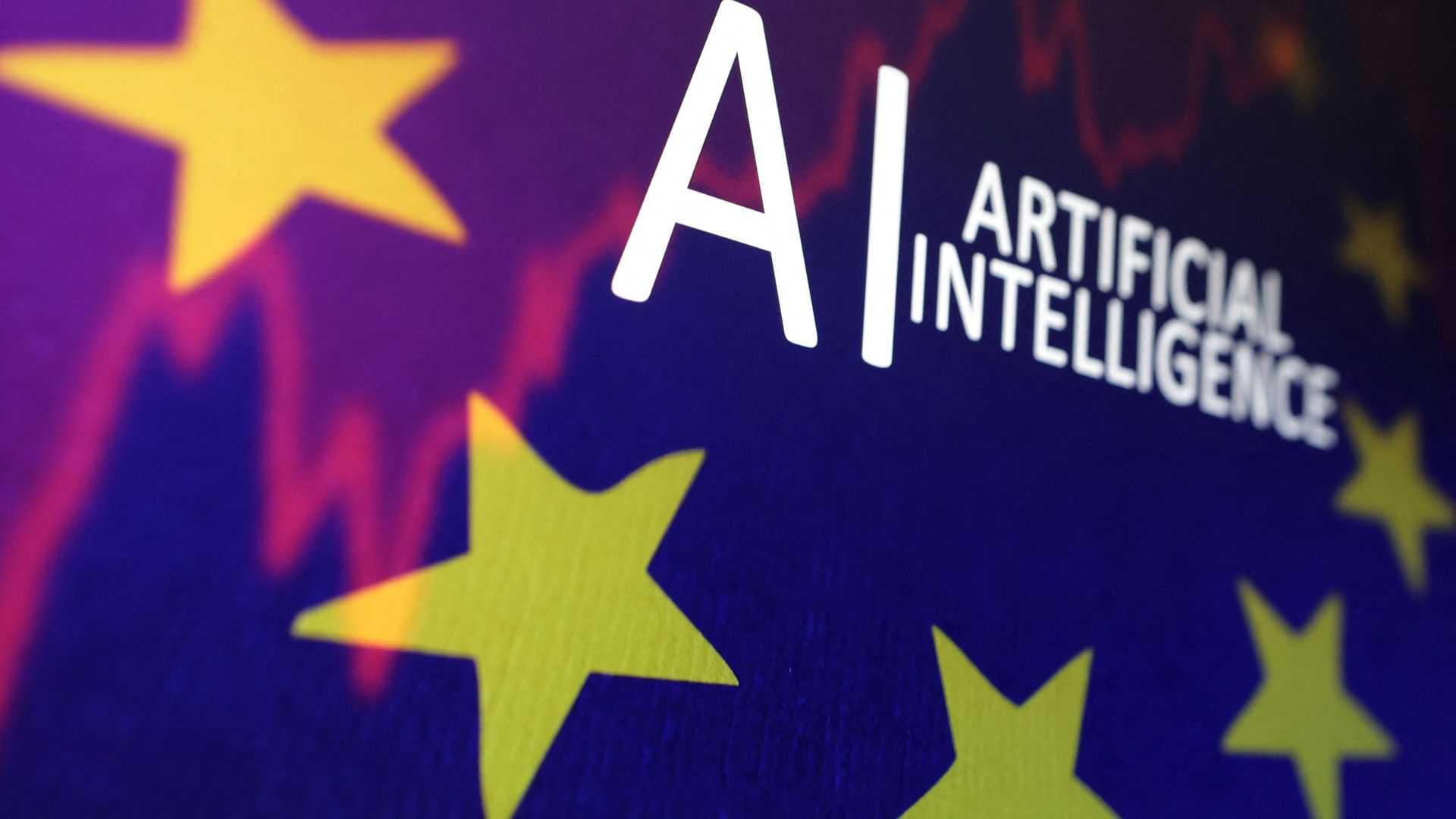
EU Eases AI Regulations Following Industry Lobbying Pressure
Coveragetap to expand ▾Spectrum: Center Only🌍Other: 2 · Europe: 1
- The European Union has modified its landmark AI regulation proposal in response to industry lobbying (per revolutionradio.com).
- Industry groups argued that the original regulations would stifle innovation and competitiveness (per revolutionradio.com).
- The revised regulations are perceived to offer more flexibility to AI developers (per revolutionradio.com).
- Critics warn that the watered-down regulations may lead to insufficient consumer protections (per revolutionradio.com).
The European Union has decided to ease its proposed regulations on artificial intelligence, a move that comes after significant lobbying from industry groups. These groups argued that the stringent measures initially proposed would hinder innovation and reduce the competitiveness of European AI developers on the global stage.
The revised regulations are seen as offering more leeway to developers, allowing for greater flexibility in AI development and deployment. This decision has not been without controversy. Critics argue that by softening the regulations, the EU may be compromising on consumer protections, potentially exposing users to risks associated with less regulated AI technologies.
The original proposal was designed to set high standards for AI systems, ensuring they are safe, transparent, and accountable. However, the pressure from industry stakeholders has led to a recalibration of these standards. The EU's move is part of a broader global context where countries are racing to establish frameworks for AI governance.
As AI technologies continue to evolve rapidly, governments worldwide are grappling with how best to regulate these systems without stifling innovation. The EU's decision reflects this delicate balancing act, as it seeks to maintain its position as a leader in AI governance while also fostering an environment conducive to technological advancement.
The implications of this regulatory shift are significant. On one hand, it may encourage more AI development within Europe, potentially boosting the region's tech industry. On the other hand, the reduced regulatory burden could lead to increased risks for consumers if AI systems are not adequately monitored and controlled.
As the EU moves forward with its revised AI regulations, it will be crucial to monitor how these changes impact both the industry and consumers. The effectiveness of these regulations in protecting users while promoting innovation will likely serve as a benchmark for other regions considering similar measures.
In conclusion, the EU's decision to relax its AI regulations highlights the ongoing tension between fostering innovation and ensuring consumer safety. As AI continues to shape the future, finding the right balance will be essential for policymakers worldwide.
- European consumers may face increased risks from AI systems due to reduced regulatory protections, potentially leading to privacy and safety concerns.
- AI developers and tech companies in Europe benefit from the relaxed regulations, which may enhance their competitiveness and innovation capabilities.
- The decision reflects a broader trend of balancing innovation with regulation, influencing how other regions might approach AI governance.
- Whether the European Union implements further changes to AI regulations in response to ongoing industry feedback.
- The impact of the revised regulations on AI development and consumer safety in Europe over the next year.
- How other regions respond to the EU's regulatory approach and whether they adopt similar measures.
- Revolutionradio.com emphasizes industry pressure as the primary reason for regulatory changes, while potential consumer risks are highlighted as a concern.
- The exact nature of the regulatory changes and their specific implications for consumer protection remain unclear.
- No source mentions the specific industry groups involved in lobbying or the exact changes made to the regulations.