
US Strikes on Iran's Water Facilities Raise War Crime Concerns
Coveragetap to expand ▾Spectrum: Mostly Center🌍Other: 5 · ME: 3 · Europe: 1
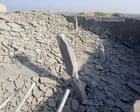
- “Two concrete water-storage reservoirs with a combined capacity of 2,500 cubic meters in the Bamani district were struck by missiles and completely taken out of service,” Mehr quoted Hamzehpour as saying.
- It is still unclear whether the US strikes were intentionally aimed at the facilities, NYT reported, adding that if deliberate, the attack could constitute a war crime under international law.
On June 10, 2026, US military strikes targeted two water storage facilities in the Bamani district of Iran, leading to significant damage and raising concerns about potential war crimes.
The strikes reportedly cut off water supply to approximately 20,000 residents in nearby towns and villages, prompting military and legal experts to assert that the attacks may violate international law. The facilities, which had a combined capacity of 2,500 cubic meters, were completely destroyed, and images of the damage have circulated in media reports.
While CENTCOM has acknowledged awareness of the situation and is investigating, it remains unclear whether the strikes were intentionally aimed at these civilian water facilities. Experts have reviewed the available evidence, suggesting that if the strikes were deliberate, they could be classified as war crimes.
This incident occurs amid ongoing military actions in the region, following the US and Israel's coordinated strikes against Iran that began in early March 2026, further complicating the already tense situation in the area.
- The recent US strikes on Iran's water facilities have dire humanitarian implications, directly impacting the civilian population in the Bamani district, where access to clean water is now severely compromised.
- This attack not only exacerbates the already precarious living conditions for local residents but also raises significant legal and ethical questions regarding the conduct of military operations in populated areas.
- If deemed intentional, these strikes could lead to international condemnation and potential legal repercussions for the US, further isolating it on the global stage and complicating future diplomatic efforts in the region.
- Watch for a potential response from the Iranian government, which may issue a formal statement or take retaliatory actions within the next 48 hours.
- Monitor the European Union's reaction, as they may convene an emergency meeting to discuss sanctions or diplomatic measures against the US within the next week.
- Keep an eye on NATO, as member states could initiate discussions on collective defense strategies in response to the strikes, likely within the next month.
- Expect the UN Security Council to schedule a session to address the situation, potentially within the next two weeks, where resolutions or condemnations may be proposed.
- Observe how US military leaders might adjust their operational strategies in the region, with updates expected during the next quarterly defense briefing in three months.
Left- and right-leaning outlets are covering this story differently — in which facts to emphasize, which context to include, and how to frame causes and consequences.