
Fauci Invokes Fifth Amendment, Faces Contempt Charges Over COVID Origins Inquiry
Topic: healthRegion: asia pacificUpdated: i3 outletsSources: 7⚠ Bias gap — sources divergeSpectrum: Mixed⏱ 4 min read📡 Wire pickup
Story Summary
SITUATION
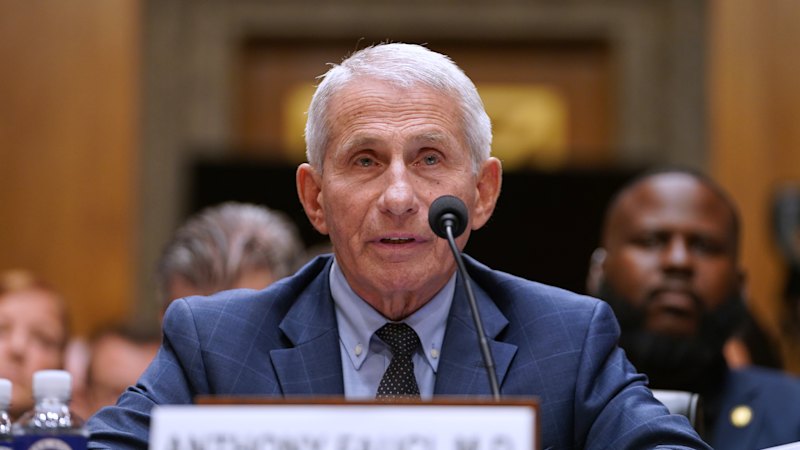
During a Senate hearing, Anthony Fauci invoked his Fifth Amendment right, refusing to answer questions about COVID-19 origins, which could lead to contempt charges. Fauci accused Republican committee chairman Rand Paul of seeking to incriminate him for political gain.
Coveragetap to expand ▾Spectrum: Mixed🌍US: 5 · Asia: 1 · Other: 1
Political Spectrum
Position is inferred from coverage mix.
i3 outlets · Center
Left
Center
Right
Left: 3
Center: 3
Right: 1
Geography Coverage
Distribution of where coverage is coming from.
i3 unique outlets · Dominant: US/Canada
KEY FACTS
- Fauci was summoned to provide evidence about long-held claims that US-funded research in Wuhan led to the virus’ outbreak.
- “The sole reason he is calling me before this committee is to get me to say something – anything – that could vindicate his repeated public pledges that I end up, in his words, ‘behind bars’,” Fauci said of Paul.
- Fauci invokes Fifth Amendment and decline to testify in Republican-led COVID-19 Senate hearing - ABC7 Los Angeles
- The Latest: Dr. Fauci invokes Fifth Amendment in Republican-led COVID-19 Senate hearing - ABC News - Breaking News, Latest News and Videos
- Fauci invokes Fifth Amendment in Republican-led COVID-19 Senate hearing - ABC News - Breaking News, Latest News and Videos
HISTORICAL CONTEXT
The inquiry into the origins of COVID-19 has intensified in recent months, particularly following the emergence of allegations regarding U.S. funding of research at the Wuhan Institute of Virology. This scrutiny has been part of a broader Republican effort to investigate the circumstances surrounding the pandemic's outbreak, which began in late 2019. In March 2023, the U.S.
Department of Energy released a report suggesting that the virus may have originated from a laboratory leak, further fueling debates and investigations into the matter. This report was followed by various congressional hearings, where key figures, including Dr. Anthony Fauci, were called to testify.
Brief
Former US chief medical adviser Anthony Fauci is facing potential contempt charges after invoking his Fifth Amendment right during a Senate hearing focused on the origins of COVID-19. This hearing, convened by Republican committee chairman Rand Paul, sought to investigate long-held claims that US-funded research in Wuhan contributed to the outbreak of the virus.
Fauci, who retired in 2022, made a brief opening statement but refused to answer any questions, even those as simple as the day of the week or the color of his tie. He characterized Paul's persistent questioning as an 'unhinged obsession' and accused him of using the inquiry to further his political agenda, specifically to support his claims that Fauci should be imprisoned.
The atmosphere of the hearing was tense, reflecting the deep partisan divides over the handling of the pandemic and the origins of the virus. Fauci's refusal to testify has drawn criticism from some lawmakers, who argue that transparency is crucial in understanding the pandemic's origins.
This inquiry is part of a broader Republican effort to scrutinize the actions of health officials during the pandemic, raising questions about accountability and the politicization of public health issues.
Where sources differ
Bias gap1.15 / 2.0
Left- and right-leaning outlets are covering this story differently — in which facts to emphasize, which context to include, and how to frame causes and consequences.
Left-leaning (3)
washingtonpost.com-0.35
Fauci declines to answer questions on covid origins, invoking Fifth Amendment - The Washington Post Fauci declines to answer questions on covid origins, invoking Fifth Amendment - …
nbcnews.com-0.25
Dr. Fauci invokes his Fifth Amendment right not to testify at Senate hearing - NBC News. Reporting is limited at this stage.
sydney_morning_herald-0.15
Fauci faces contempt finding after pleading Fifth Amendment on COVID-19 origins Fauci faces contempt finding after pleading Fifth Amendment on COVID-19 origins Fauci faces contempt…
Center (3)
apnews.comabc7.comabcnews.com
Right-leaning (1)
fox_politics+0.80
Reporter's Notebook: Rand Paul's contempt vote crusade could be doomed despite Fauci pleading Fifth 111 times Reporter's Notebook: Rand Paul's contempt vote crusade could be doomed…
Sources
7 of 7 linked articles
Fauci repeatedly invokes the Fifth Amendment in a contentious Senate committee hearing
apnews.com12h agoLeft
↗
Fauci faces contempt finding after pleading Fifth Amendment on COVID-19 origins
smh.com.au16h agoCenter
↗
Reporter's Notebook: Rand Paul's contempt vote crusade could be doomed despite Fauci pleading Fifth 111 times
foxnews.com17h agoRight
↗
Fauci invokes Fifth Amendment and decline to testify in Republican-led COVID-19 Senate hearing - ABC7 Los Angeles
abc7.com18h agoLeft
↗
Fauci declines to answer questions on covid origins, invoking Fifth Amendment
washingtonpost.com19h agoLeft
↗
The Latest: Dr. Fauci invokes Fifth Amendment in Republican-led COVID-19 Senate hearing - ABC News - Breaking News, Latest News and Videos
abcnews.com20h agoCenter
↗