
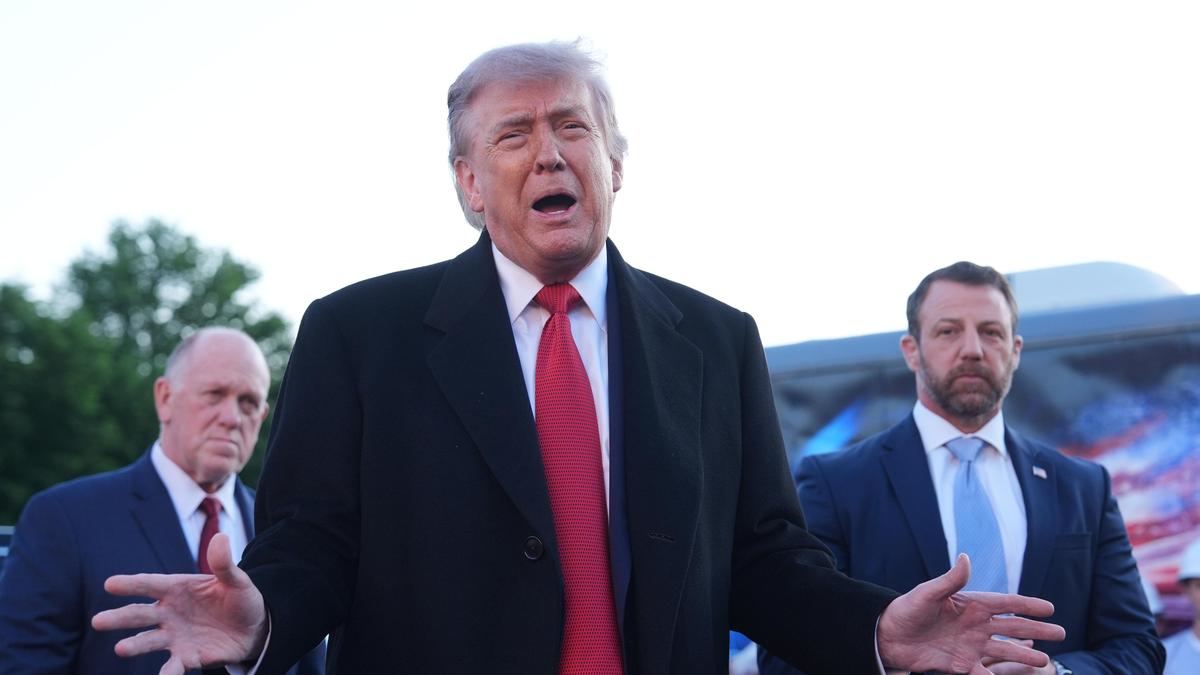
Federal Court Blocks Trump's New Global Tariffs After Supreme Court Defeat
Coveragetap to expand ▾Spectrum: Mostly Center🌍US: 3 · Asia: 1 · Other: 1
- A federal court has ruled against the new global tariffs imposed by President Trump (per AP News, WHEC.com).
- The tariffs were part of Trump's broader trade policy initiatives aimed at protecting American industries (per AP News).
- The Supreme Court had earlier found issues with the legal basis for the tariffs, prompting further judicial review (per AP News).
- Trump's administration argued that the tariffs were necessary for national security reasons (per AP News).
The tariffs, which were intended to protect American industries by imposing additional costs on foreign imports, have faced legal challenges questioning their justification and implementation. The Supreme Court had previously ruled against the tariffs, citing issues with their legal basis.
This prompted further examination by the federal court, which has now reinforced the Supreme Court's stance by ruling against the tariffs. The Trump administration had defended the tariffs as necessary for national security, arguing that they were essential to safeguard American economic interests.
The federal court's decision is a blow to Trump's trade policy, which has been characterized by a focus on renegotiating trade agreements and imposing tariffs to protect domestic industries. Critics of the tariffs argue that they could lead to increased costs for consumers and retaliatory measures from trading partners, potentially harming international trade relations.
Supporters of the tariffs, however, maintain that they are crucial for leveling the playing field for American businesses and addressing unfair trade practices by other countries. The ruling may have significant implications for U.S. economic policy, as it challenges the administration's ability to unilaterally impose tariffs without broader legislative support.
This legal setback comes amid broader debates over the role of tariffs in global trade and the extent of executive power in shaping economic policy. As the administration considers its next steps, the decision highlights the complex interplay between legal, economic, and political factors in the formulation of trade policy.
The outcome of this case could influence future trade negotiations and the administration's approach to international economic relations. It also raises questions about the balance of power between the executive branch and the judiciary in determining the scope of trade policy.
As the situation develops, stakeholders in both the U.S. and abroad will be closely monitoring the administration's response and any potential appeals or adjustments to the tariff strategy.
- American consumers may face higher prices due to retaliatory tariffs from other countries, impacting household budgets.
- U.S. industries that rely on imported materials could experience increased costs, affecting their competitiveness and profitability.
- The ruling challenges the Trump administration's ability to impose tariffs unilaterally, potentially altering future trade policy decisions.
- International trade partners may benefit from the ruling as it could lead to reduced trade tensions and more stable economic relations.
- Whether the Trump administration will appeal the federal court's decision on the tariffs.
- Potential retaliatory measures from international trade partners in response to the tariffs.
- Any legislative actions by Congress to address or support the administration's trade policy.
- AP News emphasizes the legal setback for Trump's trade policy, while WHEC.com highlights the potential impact on international trade relations.
- No source disputes the federal court's ruling against the tariffs, but the broader implications for trade policy remain debated.
- No source mentions the specific industries most affected by the tariffs or the potential economic impact on those sectors.
- Sources agree that the federal court ruling followed the Supreme Court's decision against the tariffs.
- AP News attributes the tariffs to Trump's national security rationale, while WHEC.com focuses on their economic implications.