
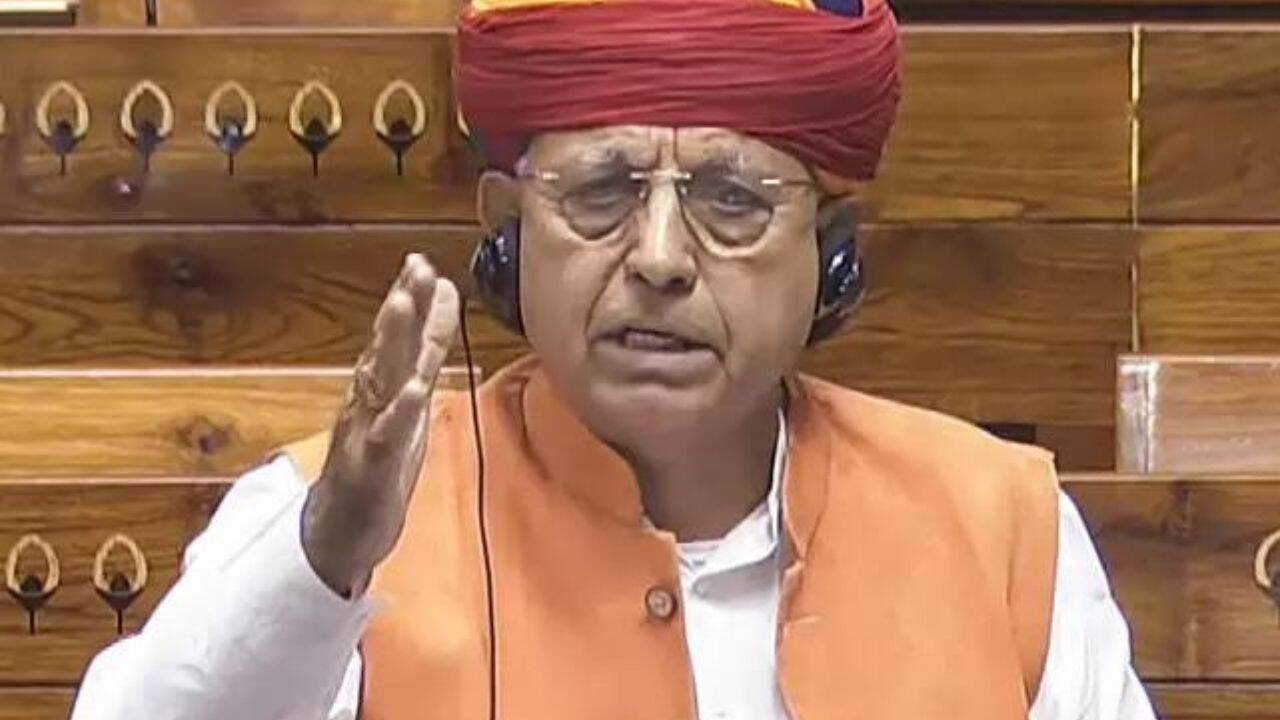
"Not hidden anything," Union MoS Bhagirath Choudhary claims he availed Rs 99 lakh farm subsidy prior to becoming ministe
Topic: politicsRegion: asia pacificUpdated: i2 outletsSources: 4Spectrum: Center Only⏱ 4 min read
Story Summary
SITUATION
Union Minister Bhagirath Choudhary stated he availed a Rs 99 lakh farm subsidy before taking office, asserting transparency in the process. This statement comes amid scrutiny regarding the subsidy received from a scheme under his own ministry (per The Indian Express).
Coveragetap to expand ▾Spectrum: Center Only🌍Asia: 3 · Other: 1
Political Spectrum
Position is inferred from coverage mix.
i2 outlets · Center
Left
Center
Right
Left: 0
Center: 4
Right: 0
Geography Coverage
Distribution of where coverage is coming from.
i2 unique outlets · Dominant: Asia
KEY FACTS
- Followed all rules while availing government subsidy: Union minister Bhagirath Choudhary
HISTORICAL CONTEXT
The political landscape in India has been shaped significantly by various government subsidy programs aimed at supporting different sectors of the economy, particularly agriculture and small businesses. In recent years, the scrutiny surrounding these subsidies has intensified, especially in light of allegations of misuse and corruption.
As of 2026, the Indian government, led by Prime Minister Narendra Modi since May 2014, has implemented numerous initiatives to bolster economic growth, including the Pradhan Mantri Kisan Samman Nidhi (PM-KISAN) scheme, which provides direct income support to farmers.
Brief
Union Minister Bhagirath Choudhary has come under scrutiny for receiving a Rs 99 lakh farm subsidy for his cucumber farm, which he claims was availed prior to his appointment as a minister. Choudhary insists he has not hidden any information regarding this subsidy, asserting that the process was transparent.
Critics, however, question the appropriateness of a minister benefiting from a subsidy scheme that falls under his own ministry's jurisdiction. This controversy has sparked a broader debate about government transparency and accountability, particularly in how subsidies are distributed.
Choudhary's defense emphasizes the need for clarity in the operations of government officials, especially concerning financial benefits derived from their own policies. The significant amount of the subsidy has drawn public attention, raising concerns about potential conflicts of interest.
As discussions continue, the implications of this case may influence future policies regarding subsidy allocations and the ethical standards expected of public officials.
Sources
4 of 4 linked articles
Followed all rules while availing government subsidy: Union minister Bhagirath Choudhary
timesofindia.indiatimes.com21h agoLeft
↗
'I Have Not Hidden Anything': Union Minister Bhagirath Choudhary Amid Row Over Rs 99 Lakh Subsidy - News18
news18.comJun 27Left
↗
"Not hidden anything," Union MoS Bhagirath Choudhary claims he availed Rs 99 lakh farm subsidy prior to becoming minister
bignewsnetwork.comJun 27Left
↗
Union Minister gets Rs 99-lakh subsidy for his cucumber farm — from scheme under own ministry
indianexpress.comJun 26Center
↗