
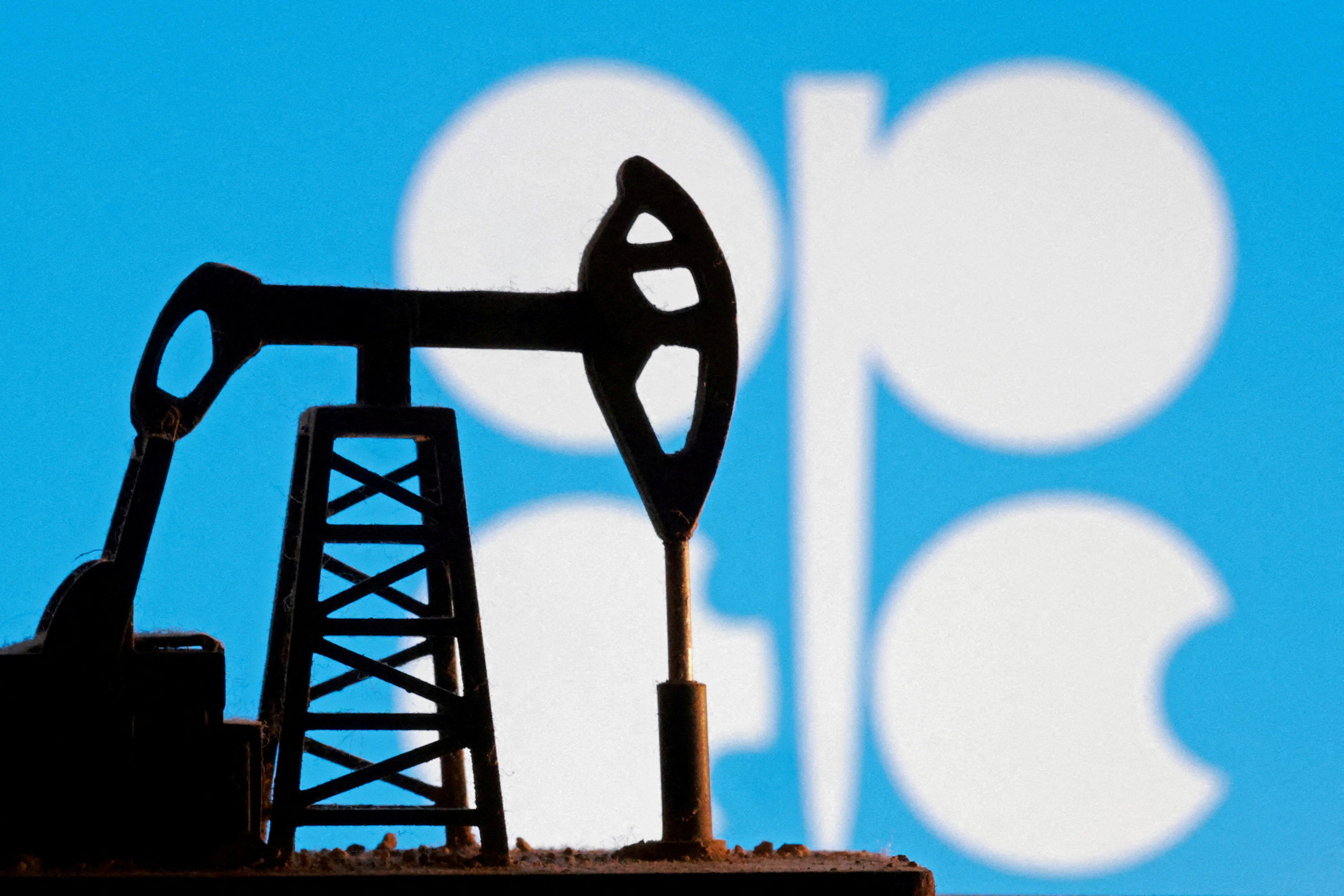
For major importers such as China, that added flexibility could boost supply and push prices down.
Coveragetap to expand ▾Spectrum: Mixed🌍Asia: 2
- Why China may benefit from the UAE’s Opec withdrawal amid Iran war oil crisis For major importers such as China, that added flexibility could boost supply and push prices down.
- UAE Energy Minister Suhail Mohamed al-Mazrouei told CNBC that it was the “right time” to exit, adding that supply shortfalls demanded more flexibility than Opec’s collective decision-making allowed.
- “For a buyer, any potential supply increase is positive as it means pressure on prices.
- I would expect China to increase purchases from the UAE,” said Muyu Xu, a senior crude oil analyst at Kpler, a trade and logistics consultancy.
The United Arab Emirates (UAE) is set to leave the Organization of Petroleum Exporting Countries (OPEC) on May 1, a move that could significantly impact global oil markets. UAE Energy Minister Suhail Mohamed al-Mazrouei announced the decision, citing the need for greater flexibility to address supply shortfalls that OPEC's collective decision-making process does not allow.
As OPEC's third-largest producer, the UAE accounts for approximately 12% of the organization's total output, and its departure could lead to increased oil production and potentially lower global prices. This development is particularly significant for major oil importers such as China and India.
Both countries stand to benefit from the potential increase in oil supply and the subsequent reduction in prices. Analysts suggest that China, in particular, may increase its oil purchases from the UAE, taking advantage of the added flexibility in the market.
Muyu Xu, a senior crude oil analyst at Kpler, emphasized that any potential supply increase is positive for buyers, as it alleviates pressure on prices. The UAE's decision to exit OPEC comes at a time when global oil markets are under strain due to the ongoing US-Israeli conflict with Iran. The conflict has disrupted oil supplies and contributed to volatility in the market.
By leaving OPEC, the UAE aims to better navigate these challenges and capitalize on its production capabilities without being constrained by the organization's quotas. While the UAE's departure from OPEC presents opportunities for some, it also raises questions about the future of the organization and its ability to influence global oil prices.
OPEC has long been a key player in the oil market, coordinating production levels among member countries to stabilize prices. The UAE's exit could weaken OPEC's influence and lead to shifts in the balance of power within the oil industry.
The decision also highlights the shifting dynamics in Middle East energy politics, as countries reassess their alliances and strategies in response to regional conflicts and global market pressures. The UAE's move may prompt other OPEC members to reconsider their positions and explore alternative approaches to managing their oil resources.
As the UAE prepares to leave OPEC, the global oil market will be closely watching the impact on supply and prices. Importers like China and India are poised to benefit from the increased availability of oil, while OPEC faces the challenge of maintaining its relevance and cohesion in a rapidly changing landscape.
- The UAE's exit from OPEC could significantly alter the oil supply landscape, allowing major importers like China and India to secure more favorable pricing amid ongoing geopolitical tensions.
- With the potential for increased oil supply, these countries may experience reduced energy costs, which can enhance their economic stability and growth prospects.
- Additionally, this shift may encourage China to deepen its energy partnerships with the UAE, fostering greater strategic ties in a region marked by volatility.
- Watch for China’s Ministry of Commerce to release a statement within the next week outlining how they plan to leverage the increased oil supply from the UAE's exit from OPEC to stabilize domestic energy prices.
- Keep an eye on Indian oil companies, such as Indian Oil Corporation and Bharat Petroleum, as they may announce new procurement strategies in the coming weeks to take advantage of potentially lower oil prices.
- Monitor the actions of major oil exporters, particularly Saudi Arabia and Russia, as they may respond to the UAE's departure by adjusting their production levels or pricing strategies within the next month to maintain market stability.
- Look for potential shifts in energy policy from the Chinese government, particularly regarding strategic reserves, as they assess the implications of increased supply and lower prices over the next few weeks.
- Expect discussions at upcoming international energy forums, including the Asia-Pacific Energy Conference scheduled for later this month, where major importers will likely address the impact of the UAE's exit on global oil markets.