
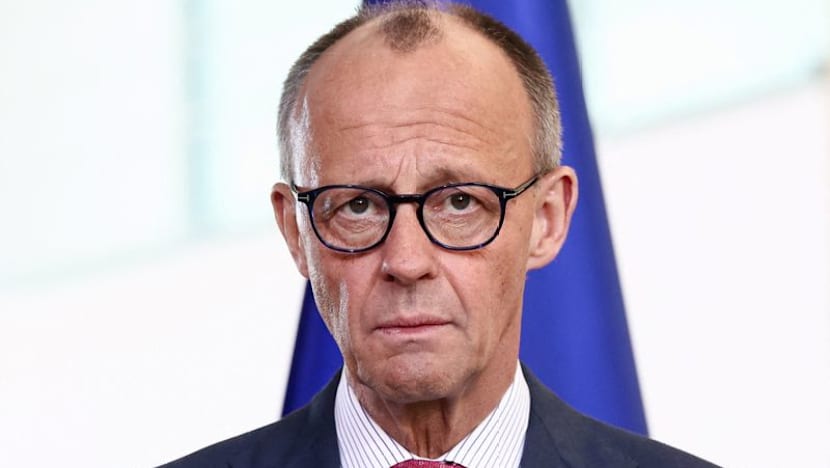
German Chancellor Downplays Tensions with Trump Over Troop Withdrawal
Coveragetap to expand ▾Spectrum: Mixed🌍Asia: 2
- The chancellor stated he is not 'giving up on working with Donald Trump' despite the troop withdrawal decision (per The Straits Times).
- The U.S. announced a reduction in its military presence in Germany, which has been a point of contention between the two countries (per Channel NewsAsia).
- The troop drawdown is part of a broader U.S. strategy to reallocate military resources globally (per Channel NewsAsia).
- The decision to reduce troops has sparked concerns about NATO's collective defense capabilities (per Channel NewsAsia).
- Both outlets report the chancellor's commitment to continued dialogue and cooperation with the U.S. administration (per Channel NewsAsia, The Straits Times).
The German chancellor has sought to downplay tensions with U.S. President Donald Trump following the recent announcement of a U.S. troop drawdown from Germany. This decision, part of a broader U.S. strategy to reallocate military resources, has been a point of contention between the two nations.
Despite the potential implications for NATO's collective defense capabilities, the chancellor emphasized his commitment to maintaining strong transatlantic relations and continued cooperation with the U.S. administration.
In a statement, the chancellor made it clear that he is not 'giving up on working with Donald Trump,' highlighting the importance of dialogue and collaboration even amidst disagreements. This stance reflects Germany's broader strategic interest in preserving its longstanding alliance with the United States, particularly in the context of European security.
The troop reduction has raised concerns among NATO allies about the potential impact on the alliance's defense posture. However, the German government appears focused on mitigating any negative effects through diplomatic engagement and reassurance of its commitment to NATO.
While the U.S. administration views the drawdown as a necessary adjustment to its global military strategy, the move has been met with mixed reactions in Europe. Some European leaders fear that a reduced U.S. presence could embolden adversaries and weaken the alliance's deterrence capabilities.
The chancellor's remarks underscore a pragmatic approach to navigating the complexities of international relations in a rapidly changing geopolitical landscape. By emphasizing continued cooperation, Germany aims to balance its national security interests with the realities of shifting U.S. foreign policy priorities.
As the situation develops, both countries are expected to engage in further discussions to address the implications of the troop withdrawal and explore avenues for strengthening their bilateral relationship.
- German citizens may face increased security concerns due to reduced U.S. military presence, potentially affecting NATO's defense capabilities.
- The U.S. administration benefits from reallocating military resources to address other strategic priorities globally.
- NATO allies could experience heightened anxiety over collective defense, prompting discussions on alternative security measures.
- Whether the German chancellor engages in further diplomatic talks with the U.S. to address troop withdrawal concerns.
- Potential NATO discussions on adjusting defense strategies in response to the U.S. troop drawdown.
- Any shifts in U.S. military strategy that could further impact European security dynamics.
- Channel NewsAsia emphasizes the strategic aspect of the U.S. troop drawdown, while The Straits Times focuses on the chancellor's commitment to cooperation.
- No source disputes the troop drawdown or the chancellor's response.
- No source mentions the specific number of troops being withdrawn or the timeline for the drawdown.
- No specific troop numbers or timelines are provided by any source.
- Both sources agree on the sequence of events: U.S. troop drawdown announcement followed by the chancellor's response.
- Both sources attribute the troop drawdown decision to the U.S. administration.