
Abu Dhabi Pours $3.3B into Yas Island as Gulf Women Founders Struggle for Funding
Topic: technologyRegion: north americaUpdated: i1 outletsSources: 1Spectrum: Center Only⏱ 2 min read⚠ 48h+ old
Story Summary
SITUATION
Abu Dhabi is injecting $3.3 billion into Yas Island as part of broader UAE investment activity (per Fortune). The same reporting says Gulf women founders are flourishing but face a persistent funding gap that limits scaling (per Fortune).
Coveragetap to expand ▾Spectrum: Center Only🌍Other: 1
Political Spectrum
Position is inferred from coverage mix.
i1 outlets · Center
Left
Center
Right
Left: 0
Center: 1
Right: 0
Geography Coverage
Distribution of where coverage is coming from.
i1 unique outlets · Dominant: Global
KEY FACTS
- Abu Dhabi is investing $3.3 billion into Yas Island (per Fortune).
- Fortune reports the Gulf’s female startup ecosystem is flourishing, showing growth in women-founded firms (per Fortune).
- Fortune says women founders in the Gulf are receiving insufficient funding, leaving many with limited capital to scale (per Fortune).
HISTORICAL CONTEXT
Since March 2026 an active regional war—marked by coordinated United States and Israeli strikes on Iranian power, air-defense and military infrastructure—has reshaped Gulf risk calculations after months of escalating attacks on shipping and regional bases in late 2025.
The present economic choices in the Gulf sit atop post-oil diversification frameworks and sovereign-wealth expansion: Abu Dhabi’s Mubadala (created 2002) and ADQ’s 2018 restructuring turned state capital toward industry and tech, while the UAE’s May 2019 long‑term residency (Golden Visa) and other visa reforms aimed to attract entrepreneurs.
Brief
Abu Dhabi announced a $3.3 billion injection into Yas Island as part of a wave of UAE investments that Fortune links to deals in German AI and Indian aluminium. Fortune frames that spending as characteristic of a broader push by Emirati capital to diversify holdings and accelerate domestic and regional projects.
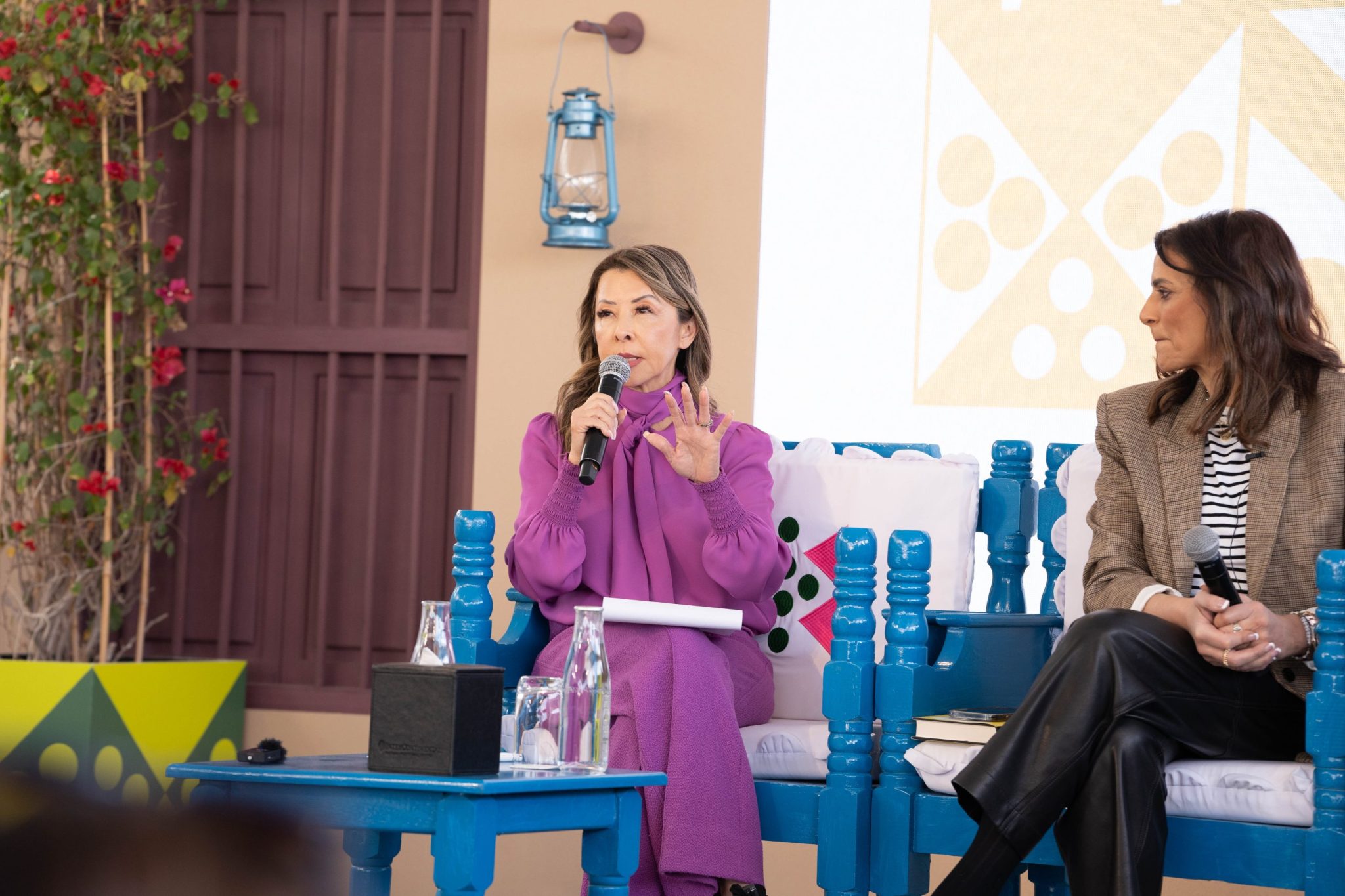
At the same time, Fortune reports that Gulf women founders are experiencing a paradox: their startups are flourishing in terms of formation and activity, yet they face a persistent shortfall of funding that constrains scale.
The piece does not provide detailed funding tallies by sector or a breakdown of which female-led firms received capital; it emphasizes the gap between entrepreneurial momentum and available investment.
The report places the Yas Island commitment alongside other outbound UAE investments to show how state and sovereign-backed flows are reshaping available capital channels — but Fortune also underlines that those flows have not closed the specific financing gap for women entrepreneurs.
Fortune gives examples of UAE activity in German AI and Indian aluminium as evidence of where large pools of capital are directed, implying a competitive allocation question for local startup funding.
The reporting leaves several specifics unreported: it does not list the names of women founders, quantify how much capital female-founded startups received, nor document precise mechanisms—such as targeted VC funds or gender-lens investment vehicles—that might close the gap.
Taken together, Fortune presents a picture in which Abu Dhabi’s high-profile, large-scale investments coexist with a domestic startup ecosystem where women founders still struggle to access the growth capital they need.
Why it matters
- Abu Dhabi’s $3.3 billion Yas Island package concentrates state-linked capital into major projects, diverting investment that might otherwise reach early-stage Gulf startups (per Fortune).
- Gulf women founders bear the concrete cost: they face limited capital to scale their firms, which restricts employment growth and revenue generation in female-led companies (per Fortune).
- UAE sovereign and private investors benefit from allocating large sums to big-ticket projects and overseas deals in German AI and Indian aluminium, preserving strategic influence over high-value sectors (per Fortune).
What to watch next
Whether Abu Dhabi or UAE state-linked investors announce dedicated gender-lens funds or specific capital lines for women founders within the next 12 months. 2) Whether Fortune or UAE economic authorities publish a sectoral breakdown showing how the $3.3 billion for Yas Island will be allocated across projects and contractors. 3) Whether UAE outbound investment announcements list additional deals in AI, aluminium, or other strategic sectors by the end of the calendar year.
Where sources differ
7 dimensionsFraming differences
?- Only Fortune is in this pack: Fortune highlights both the $3.3 billion Yas Island investment and a persistent funding gap for Gulf women founders (per Fortune).
Disputed or unclear
?- No source disputes facts — only a single-source report is available, so verification of the capital’s specific terms and the size of the funding gap is unclear (per Fortune).
Omitted context
?- No source in this pack names specific women founders or startups that illustrate the funding gap.
- No source provides quantified data on how much funding female-founded startups received versus male-founded startups in the Gulf.
- No source details whether the $3.3 billion includes targeted allocations for local SMEs or women-led firms.
- No source mentions policy mechanisms (tax incentives, co-investment vehicles) that would change capital flows to women entrepreneurs.
Conflicting figures
?- Only Fortune provides the $3.3 billion figure for Yas Island (per Fortune).
Disputed causality
?- Fortune links Abu Dhabi’s Yas Island investment to broader UAE investment activity but does not document that those investments directly caused the funding gap for women founders (per Fortune).
Attribution disputes
?- Fortune attributes the $3.3 billion injection to Abu Dhabi and links UAE investments to German AI and Indian aluminium deals (per Fortune).
Sources
1 of 1 linked articles