
Lost Yiddish Songs from Ukraine's Wartime Ghetto Debut in Shanghai
Coveragetap to expand ▾Spectrum: Left Only🌍Asia: 1
- Lost anti-fascist Yiddish songs from World War II will debut in Asia this month (per scmp.com).
- Yiddish Glory will perform in Shanghai, Hong Kong, and South Korea (per scmp.com).
- This will be only the third Yiddish-language concert in mainland China in the past 60 years (per scmp.com).
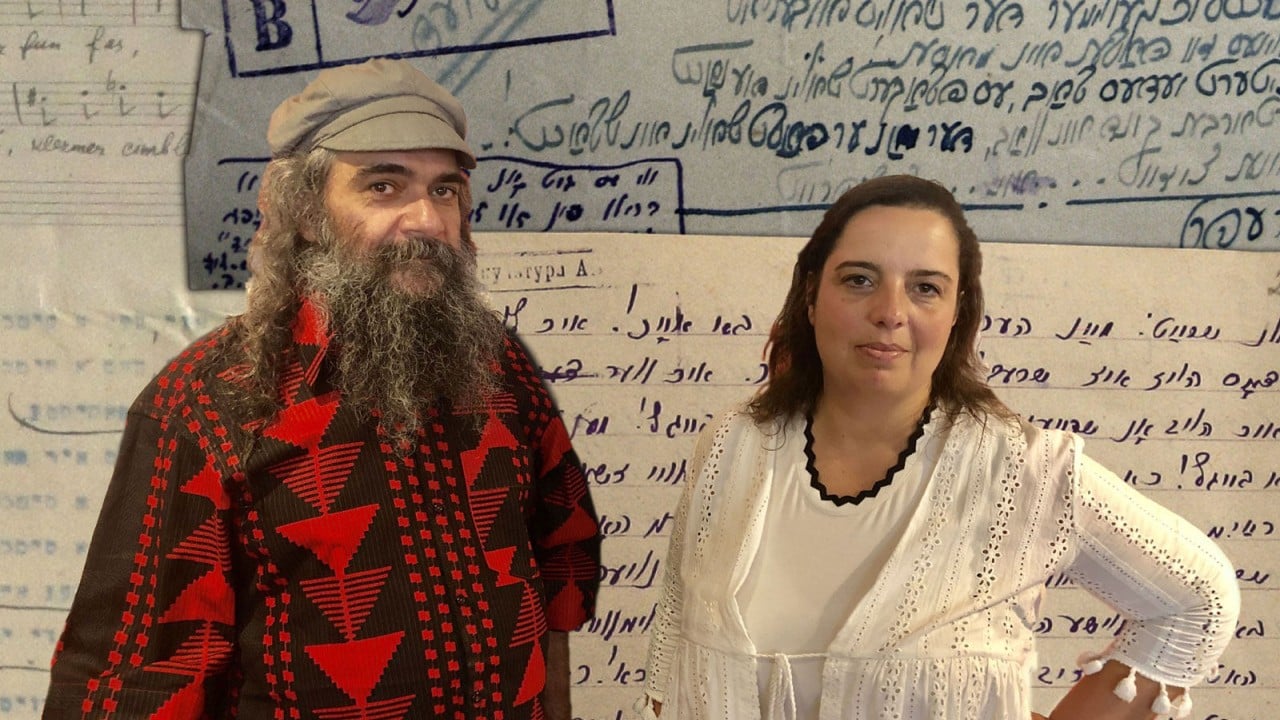
The performances are significant as they highlight Shanghai's historical role as a sanctuary for approximately 18,000 Jewish refugees escaping Nazi persecution during World War II. The project is spearheaded by University of Toronto academic Anna Shternshis and musician Psoy Korolenko, who aim to bring these forgotten songs to a wider audience.
Shanghai's choice as a venue is particularly poignant given its past as a refuge for Jewish communities during the war. Producer Daniel Rosenberg notes that this will be only the third Yiddish-language concert in mainland China over the last 60 years, underscoring the rarity and cultural importance of the event.
The performances will not only feature live music but also incorporate lectures to provide audiences with historical context, enriching the experience and understanding of the songs' origins. The project reflects a broader effort to preserve and celebrate Jewish cultural heritage, particularly the music that emerged from the harrowing experiences of World War II.
By bringing these songs to Asia, the organizers hope to foster a deeper appreciation for the resilience and creativity of the Jewish people during one of history's darkest periods. Anna Shternshis, who has been instrumental in bringing this project to fruition, emphasizes the importance of remembering and sharing these stories through music.
The collaboration with Psoy Korolenko, a renowned musician, ensures that the performances are both historically informed and artistically compelling. As the world continues to grapple with the legacies of the past, events like these serve as a reminder of the enduring power of art and culture to bridge divides and connect communities across time and space.
The Asian debut of these lost Yiddish songs is not only a cultural milestone but also a testament to the enduring spirit of those who created them in the face of adversity.
- Jewish communities in Shanghai and beyond are reminded of their historical refuge, fostering cultural preservation.
- The performances highlight the resilience of Jewish culture and its ability to transcend geographical and temporal boundaries.
- Anna Shternshis and Psoy Korolenko benefit by bringing attention to forgotten cultural narratives, enhancing their academic and artistic profiles.
- Whether Yiddish Glory's performances in Asia lead to increased interest in Jewish cultural heritage projects.
- Audience reception and potential future performances in other regions.
- Academic and cultural discussions sparked by the integration of music and historical lectures in the performances.
- No source mentions the broader historical context of Jewish migration patterns during World War II beyond Shanghai.
- The economic and cultural impacts on Shanghai's current Jewish community are not discussed.